
Landscaping
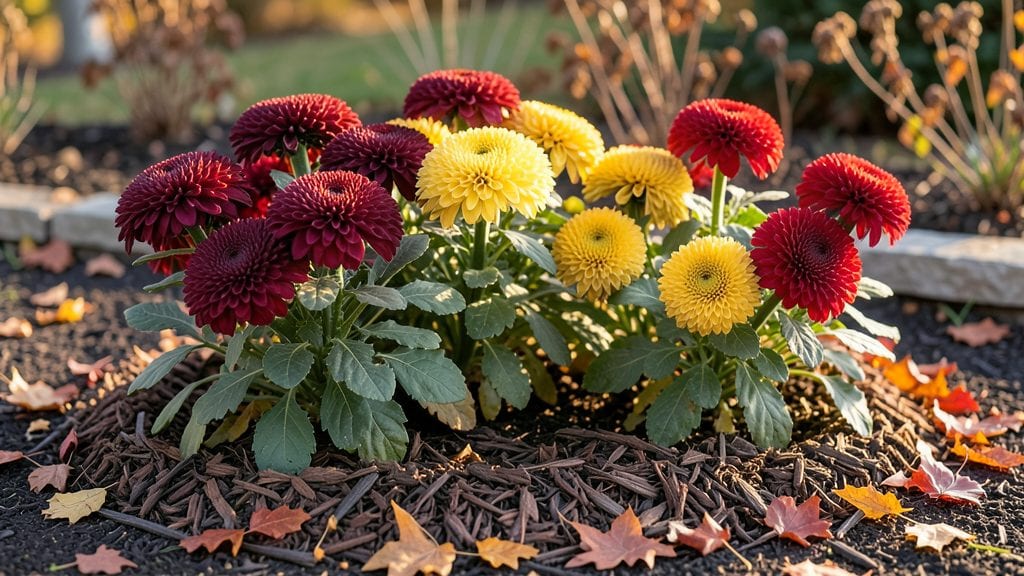
Fall landscaping plants can transform your yard from ordinary to showstopping with just a few strategic choices. ✨ I’ve designed my front yard around plants that explode with color in autumn while demanding almost no extra work—no more wilting annuals or high-maintenance shrubs.
The key is pairing bold foliage with evergreens that keep structure through winter, creating a canvas that shifts with the seasons.
Think mums in fiery reds, shrubs like oakleaf hydrangeas with burgundy leaves, and perennials such as black-eyed Susans that hold their shape until frost. These plants thrive in cooler weather, so they’re forgiving if you forget to water.
Layer them with native grasses for texture, and you’ll have a garden that feels alive in October but still stunning in January.
By late fall, your yard will look like a curated photoshoot—deep reds, golden yellows, and evergreen accents creating depth. The best part? These plants need minimal pruning and no special soil, making them perfect for busy homeowners who still want a jaw-dropping curb appeal.
Here’s how to mix and match them for maximum impact.
Whether you’re starting fresh or refreshing an existing bed, the same principles apply: sun exposure, soil prep, and plant placement determine success. I’ll walk you through the easiest combinations to create a fall garden that keeps giving long after the leaves change color.
📚 In This Guide
- What you need
- Instructions
- Tips and common mistakes
- Wrapping up and next steps
What you need
- ● Fall landscaping plants: Choose a mix of perennials (e.g., Heuchera, Sedum, or Hosta), shrubs (e.g., Oakleaf Hydrangea, Witch Hazel), and seasonal bloomers (e.g., Mums, Asters, or Ornamental Grasses). Aim for 5–10 plants per 100 sq. ft. for balanced coverage.
- ● High-quality potting soil: 1–2 bags (2–3 cu. ft. each) per plant, depending on pot/size.
- ● Mulch: 2–3 cubic yards (shredded bark or pine straw) to retain moisture and suppress weeds.
- ● Organic fertilizer: 10–20 lb. bag of 10-10-10 or a slow-release formula for fall planting.
- ● Compost: 1–2 bags to enrich soil before planting.
- ● Hand trowel (for small plants) or garden shovel (for larger shrubs).
- ● Pruning shears (for trimming dead foliage or shaping plants).
- ● Garden gloves (to protect hands from thorns or rough textures).
- ● Wheelbarrow or bucket (for hauling soil, mulch, or plants).
- ● Watering can or hose with nozzle (for gentle watering post-planting).
- ● Measuring tape (to plan spacing—follow plant tags for guidelines).
- ● Plant markers (to label varieties if your garden is new).
- ● Soil test kit (to check pH/nutrient levels before planting).
- ● Drip irrigation system (for low-maintenance watering in fall/winter).
- ● Decorative rocks or edging (to add structure and curb appeal).
Instructions for planting fall landscaping favorites
Here’s how to select and install plants that thrive in autumn’s cooler tones and minimal care.
🌱 Step 1: Choose Plants for Seasonal Interest
Fall’s best performers combine evergreens for structure with deciduous plants that shift color. I reach for ornamental grasses like Miscanthus for airy texture, heucheras for deep purple foliage, and Japanese maples for fiery red leaves. These plants handle cooler temperatures while adding visual contrast.
Look for plants labeled “fall-blooming”—like Sedum or Chrysanthemum—to extend your garden’s life beyond summer. I avoid tender annuals; instead, I focus on perennials and shrubs that return year after year. Check your hardiness zone to ensure selections survive winter.
🪴 Step 2: Prepare the Planting Site
Clear the area of weeds and loosen soil to a depth of 12 inches with a garden fork. Amend heavy clay with 3 gallons of compost per 100 square feet to improve drainage and fertility. I spread a 2-inch layer of mulch afterward to retain moisture and suppress weeds.
Test soil pH if planting acid-lovers like Azaleas or Rhododendrons. Most fall plants prefer 6.0–7.0 pH, but Heather thrives in 4.5–5.5. Adjust with lime or sulfur before planting. Avoid compacting soil—roots need room to establish before winter.
☀️ Step 3: Plant for Year-Round Structure
Place evergreens first—they anchor the design. Dig holes twice as wide as the root ball but only as deep. Set the plant so the top of the root ball sits 1 inch above ground level to prevent rot. Backfill with native soil, tamping gently to remove air pockets.
Arrange deciduous plants around evergreens, staggering heights for visual flow. I group plants with similar water needs together to simplify care. Water deeply after planting to settle soil and encourage root spread. A 1-inch layer of mulch around each plant helps retain moisture and regulates soil temperature.
💧 Step 4: Water and Monitor Through Fall
Water newly planted fall selections once weekly unless rain provides 1 inch of moisture. I check soil moisture by pushing a finger 2 inches deep—if dry, it’s time to water. Overwatering now can drown roots before they establish.
Watch for pests like spider mites on drought-stressed plants. A hose blast in the morning dislodges them without chemicals. Fertilize lightly with a balanced 10-10-10 formula in early fall to support root growth before dormancy. Stop fertilizing by mid-October to avoid tender new growth.
⏰ Step 5: Winterize for Next Season
Before the first hard frost, apply a 3-inch layer of mulch around woody plants to insulate roots. I wrap tender perennials like Salvia with burlap if temperatures dip below 20°F. Prune dead foliage in early spring—never in fall—to avoid inviting disease.
Take notes on which plants thrived and which struggled. Adjust next year’s selections based on your site’s microclimate. Fall-planted perennials often bloom earlier the following year, so patience pays off. With this approach, your garden stays vibrant long after summer fades.
Tips & tricks for perfect fall landscaping design
Creating a fall garden that thrives year-round takes more than just planting—it’s about strategic choices and smart maintenance. Here’s how to elevate your autumn landscape with professional insights.
Seasonal Plant Pairing: In Step 1, when selecting plants, pair evergreens like Miscanthus with late-season bloomers such as Chrysanthemum to create visual contrast. Evergreens provide structure while deciduous plants shift color, ensuring your garden remains vibrant even as leaves fall. I recommend grouping plants with similar water needs together—this simplifies irrigation and prevents overwatering sensitive varieties like Heather.
Soil Preparation Strategy: Step 2’s soil amendment is where many gardens fail. For heavy clay soils, mix in 3 gallons of compost per 100 square feet and consider adding 1 inch of coarse sand to improve drainage. Test pH before planting—most fall perennials thrive in 6.0–7.0, but acid-lovers like Azaleas need 5.0–5.5. I’ve seen gardens struggle because homeowners skipped this step, leading to nutrient deficiencies.
Planting Depth Precision: When following Step 3, the 1-inch elevation of the root ball above ground level is critical for preventing rot. Use a level to ensure consistent depth across multiple plants. For large shrubs, I recommend installing them slightly deeper in clay soils to compensate for settling. After backfilling, water deeply to eliminate air pockets—this encourages roots to spread outward rather than circling the root ball.
Winter Protection: The 20°F threshold in Step 5 is your guide for winterizing tender perennials. Wrap Salvia and other frost-sensitive plants with burlap, but leave space at the base to prevent moisture buildup. For woody plants, increase mulch to 3 inches—this acts as insulation while suppressing weeds. I’ve learned the hard way that insufficient mulch leads to winter dieback, especially in exposed areas.
Pro Tips for Fall Landscaping Plants
- Creating a fall garden that thrives year-round takes more than just planting—it’s about strategic choices and smart maintenance.
- Seasonal Plant Pairing: In Step 1, when selecting plants, pair evergreens like Miscanthus with late-season bloomers such as Chrysanthemum to create visual contrast.
- Soil Preparation Strategy: Step 2’s soil amendment is where many gardens fail.
Frequently asked questions
Got questions about transforming your yard into a fall masterpiece? Here are some of the most common queries—and their answers—to help you plan with confidence!
When is the best time to plant fall landscaping plants?
For most regions, aim to plant between mid-September and early November. This gives roots time to establish before winter while avoiding summer heat or late-season frosts. Cool-season plants (like pansies or ornamental kale) thrive in these conditions, while perennials planted now often bloom earlier next year.
Can I still plant fall flowers if winter is early?
Choose cold-hardy varieties like mums, asters, or sedum, which tolerate light frosts. For extra protection, add a thin layer of mulch (2–3 inches) after planting. If a hard freeze is forecast, cover tender plants with frost cloth or burlap for a few nights—just remove it during the day to prevent overheating.
What are the most budget-friendly fall landscaping plants?
Skip the pricier annuals and opt for low-cost, high-impact options:
- Mums ($1–$3 per plant) – Available in bulk and long-lasting.
- Ornamental grasses ($5–$15) – Perennial and drought-tolerant.
- Bulbs (tulips, daffodils) ($0.50–$2 each) – Plant in fall for spring surprises.
- Native wildflowers (seeds for $10–$20) – Zero-maintenance and pollinator-friendly.
How do I keep my fall plants looking fresh longer?
Extend their vibrancy with these pro tips:
- Water deeply but less often—aim for 1 inch per week (including rainfall). Overwatering can rot roots.
- Mulch properly—use 2–4 inches of shredded bark or straw to insulate soil and retain moisture.
- Deadhead spent blooms (like on mums) to encourage new growth and prevent seed formation.
- Avoid fertilizing late—stop by mid-October to let plants harden off for winter.
Why are my fall plants wilting or turning yellow?
Common culprits and fixes:
Issue
Likely Cause
Solution
Wilting leaves
Underwatering or root rot
Check soil moisture (stick your finger 1 inch deep—dry? Water!). If roots smell sour, improve drainage by amending soil with sand or compost.
Yellowing edges
Overwatering or nutrient deficiency
Reduce watering and test soil pH (ideal: 6.0–7.0). Add a balanced fertilizer (like 10-10-10) if needed.
Brown spots
Fungal disease (e.g., powdery mildew)
Space plants for airflow, water at soil level (not leaves), and spray with neem oil if outbreaks occur.
If problems persist, isolate affected plants to prevent spread.
Wrapping up and next steps
Transforming your outdoor space with fall landscaping plants is easier—and more rewarding—than you think! 🍂 From vibrant mums to hardy evergreens, these low-maintenance stars bring color, texture, and life to your garden while requiring minimal fuss.
Whether you’re a seasoned gardener or just starting out, the right plants can turn your yard into a cozy, eye-catching retreat all season long.
Ready to take the next step? Start small: pick 1-2 plants from this guide, sketch a simple layout, and dive in! Before you know it, your fall garden will be the talk of the neighborhood—and your own personal sanctuary. Happy planting! 🌿✨