
Fertilization
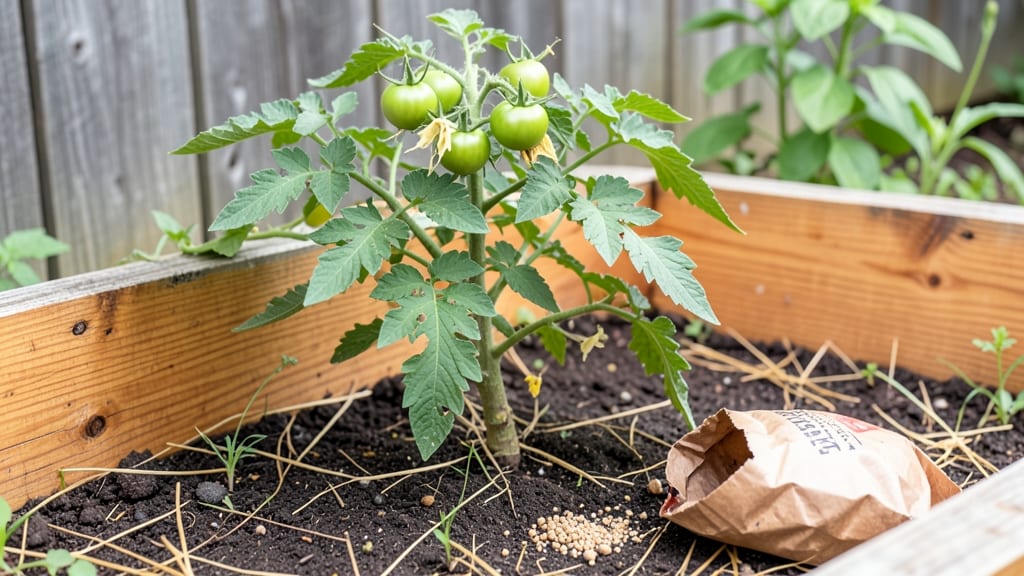
Fertilization for plants boosts growth and yields by replenishing essential nutrients like nitrogen, phosphorus, and potassium, but timing, soil type, and plant needs determine the best approach for healthy outdoor cultivation.
Plant nutrition works like a three-legged stool—you need all three main nutrients to avoid imbalances that stunt growth or attract pests. 🌱 For example, nitrogen-heavy fertilizers push leafy growth but may delay flowering, while phosphorus boosts root development and fruit production.
My go-to strategy is to start with a soil test to identify deficiencies before choosing between organic options like composted manure (slow-release) or synthetic blends (fast-acting). The key is matching the fertilizer to your plants' current stage—seedlings need gentle feeding, while fruiting tomatoes demand a potassium-rich boost.
Seasonal timing matters just as much as what you apply. Spring kickstarts growth, so I focus on nitrogen-rich feeds, while late summer calls for phosphorus to prep plants for winter.
In my zone 6 garden, I adjust schedules based on rainfall—less water means nutrients leach slower, so I fertilize less frequently. Always water thoroughly after applying fertilizer to help nutrients penetrate the soil and reach roots where they're needed most.
💡 In This Article
- How to Choose the Right Fertilizer for Plant Types
- Best Fertilization Schedule by Season and Plant Growth Stage
How to choose the right fertilizer for plant types
The science behind plant nutrition starts with the NPK ratio—nitrogen (N), phosphorus (P), and potassium (K)—each serving distinct roles. Nitrogen fuels leafy growth, phosphorus strengthens roots and flowers, while potassium regulates water and disease resistance.
For example, a 10-10-10 fertilizer provides balanced support, but heavy feeders like corn need higher nitrogen (e.g., 20-5-10), while flowering plants thrive on phosphorus-heavy blends (e.g., 5-10-5). Micronutrients like iron, zinc, and magnesium also play critical roles, often found in chelated forms for better absorption.
Organic fertilizers like composted manure or bone meal release nutrients slowly, improving soil structure over time. They're ideal for long-term projects but require more frequent applications. Synthetic fertilizers, on the other hand, dissolve quickly, delivering immediate results—perfect for correcting deficiencies fast.
For instance, a quick-fix for yellowing leaves might be a nitrogen boost (like ammonium sulfate), while wilting plants could need potassium (potassium sulfate). The trade-off? Synthetics lack organic matter that benefits soil health long-term.
Plant life stages dictate fertilizer choices too. Seedlings need gentle, low-concentration feeds (5-5-5 or less) to avoid burning tender roots. During flowering or fruiting, switch to phosphorus-potassium blends (e.g., 2-10-10) to support energy transfer.
Soil type matters—sandy soils drain fast, so use controlled-release granules, while clay holds moisture, favoring liquid feeds to prevent runoff. Always water after applying to activate nutrients and prevent salt buildup.
Here's what's actually happening at the root level: Plants absorb nutrients through root hairs via osmosis, where nutrient concentration in the soil must be higher than in the roots. Organic fertilizers rely on microbial activity to break them down, while synthetics dissolve instantly.
For example, mycorrhizal fungi in healthy soil enhance phosphorus uptake by up to 80%, making organic options more efficient in the long run. The key is matching the fertilizer's release rate to your plants' growth speed.
Consider these key factors when choosing:
- Leafy greens: Prioritize nitrogen (e.g., 30-0-5) for rapid foliage growth
- Fruiting plants: Use phosphorus-potassium (e.g., 5-10-10) to boost yields
- Lawns: Balanced 16-4-8 maintains lush, disease-resistant grass
- Vegetative growth: Organic compost (slow-release) builds soil health over months
What most people don't realize is that over-fertilizing can harm plants by burning roots or attracting pests. Always follow package rates and adjust based on your soil's current nutrient levels. A simple DIY soil test (using vinegar and baking soda) can reveal pH imbalances before investing in expensive amendments. 🌱
For container gardens, use half-strength fertilizer since roots have limited soil volume. In raised beds, incorporate well-aged compost annually to maintain organic matter. The goal is sustainable feeding—think of fertilizers as supplements to healthy soil, not replacements for it. 💫