Fertilization
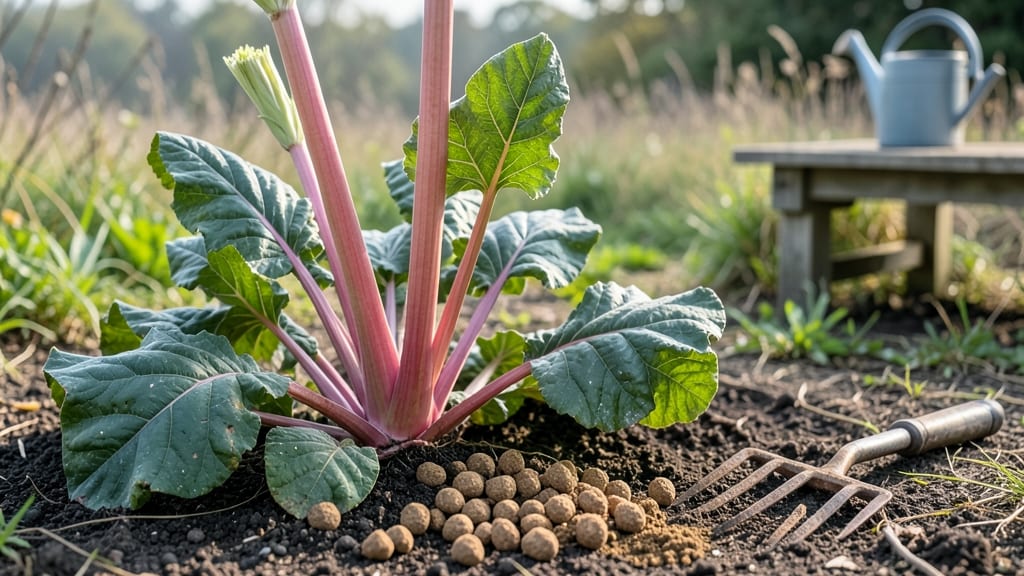
Fertilizing rhubarb plants the right way is the secret to plump, vibrant stalks that keep coming back year after year 🌱 — and it all starts with understanding what your soil is really hungry for.
Struggling to get your rhubarb plants to produce those plump, vibrant stalks you crave? The secret might be hiding in your soil—not just what you feed it, but how you feed it.
Rhubarb thrives on precision, and getting the soil pH and fertilizer balance right can mean the difference between a meager harvest and a garden overflowing with tart, sweet rewards.
Most gardeners overlook the fact that rhubarb needs a balanced approach—too much nitrogen sends it into leafy overgrowth, while too little leaves you with skinny stalks. The key lies in timing, soil prep, and knowing when to step back.
Below, I break down the exact fertilizer schedule, organic vs. synthetic options, and how to spot when you're doing it wrong.
By the end, you'll know exactly when to feed, what to avoid, and how to keep your rhubarb plants producing like a pro—no guesswork, just consistent, delicious harvests every spring.
Optimal soil pH and fertilizer types for rhubarb growth
Rhubarb plants are delicate feeders, demanding precise soil conditions to reward you with those juicy, vibrant stalks. The foundation of their success starts with soil pH—aim for a range of 5.5 to 6.5.
This slightly acidic to neutral zone ensures optimal nutrient uptake, preventing deficiencies that stunt growth or cause leaf discoloration. Testing your soil with a DIY pH kit (available for under $10) is the first step toward unlocking rhubarb’s full potential.
Once you’ve confirmed your soil’s pH, the next critical choice is fertilizer type. Rhubarb thrives with a balanced NPK ratio like 10-10-10, but organic options—such as composted manure or well-rotted leaf mold—can also deliver nutrients slowly without risking burn damage.
Synthetic fertilizers offer quick results, but organic amendments improve soil structure over time, creating a sustainable growing environment.
Soil Requirement
Specification
Action
pH Level
5.5–6.5
Test with kit; amend with lime (raise) or sulfur (lower)
Organic Matter
3–5% by volume
Add compost or aged manure annually
NPK Ratio
10-10-10 (balanced)
Apply ¼ cup per plant in spring
Micronutrients
Boron, Magnesium
Use Epsom salt (magnesium) or borax sparingly
Soil Texture
Loamy, well-draining
Amend clay soil with sand; improve sandy soil with compost
Rhubarb’s micronutrient needs often go overlooked, yet they’re crucial for preventing leaf yellowing or stunted stalks. A deficiency in boron (common in alkaline soils) causes blackened tips on leaves, while a lack of magnesium leads to interveinal chlorosis (yellowing between veins).
To address these, apply Epsom salt (1 tablespoon per gallon of water) as a foliar spray or work wood ash into the soil—just be cautious, as too much ash can raise pH beyond the ideal range.
When choosing between organic and synthetic fertilizers, consider your gardening goals. Organic options like fish emulsion or bone meal release nutrients gradually, reducing the risk of over-fertilization and supporting long-term soil health.
Synthetic fertilizers, however, provide immediate nutrient availability, which can be beneficial if your rhubarb shows signs of nutrient stress mid-season. For most gardeners, a hybrid approach—using organic amendments in fall and synthetic fertilizers in spring—yields the best results.
Timing your fertilizer applications is just as critical as the type. Start with a light application of 10-10-10 fertilizer in early spring, just as new growth emerges. Follow up with a second feeding after the first harvest to replenish nutrients depleted by stalk production.
Avoid fertilizing in late summer or fall, as this can encourage tender new growth that won’t survive winter’s chill. Instead, focus on mulching with straw to protect roots and retain moisture.
Signs of over-fertilization include yellowing leaves, burnt leaf edges, and excessive foliage growth at the expense of stalks. If you notice these symptoms, flush the soil with water to leach out excess salts and reduce future applications by half.
On the flip side, under-fertilized rhubarb exhibits pale, small stalks, slow growth, and weak stems. In this case, a balanced fertilizer and a boost of compost can turn things around quickly.
For container-grown rhubarb, adjust your approach slightly. Potted plants require more frequent feeding—every 3–4 weeks during the growing season—because nutrients leach out faster. Use a water-soluble fertilizer diluted to half strength to avoid shocking the roots.
Additionally, repot every 2–3 years to refresh the soil, as rhubarb depletes nutrients rapidly in confined spaces.
Don’t forget the power of natural amendments like worm castings or green manure (cover crops like clover). These improve soil structure and provide a steady supply of nutrients without the risk of chemical burn.
Work them into the top 6 inches of soil in early spring or fall, ensuring they’re fully decomposed before planting or fertilizing.
By mastering your rhubarb’s soil pH and fertilizer strategy, you’ll set the stage for bountiful harvests year after year. Start with a soil test, amend as needed, and feed thoughtfully—your rhubarb will thank you with plump, vibrant stalks that rival the best farmers' markets. Happy gardening! 🌱
Step-by-step fertilizing schedule for year-round rhubarb care
Rhubarb plants reward precision with bountiful harvests, but feeding them the right nutrients at the right time is key. Unlike many vegetables, rhubarb thrives on a moderate feeding schedule—too much fertilizer can lead to leafy growth at the expense of those prized tart stalks.
My approach focuses on three critical windows: early spring to kickstart growth, mid-season to sustain vigor, and fall to prepare for dormancy. Organic options like compost and well-aged manure build soil health long-term, while synthetic blends offer quick nutrient fixes when needed.
Before diving into your schedule, test your soil’s pH level—rhubarb prefers slightly acidic soil between 5.5 and 6.5. If your soil is too alkaline, mix in sulfur or peat moss; if too acidic, add lime or wood ash.
Once your soil is primed, follow this step-by-step guide to keep your rhubarb plants happy and productive all year.
🌱 Seasonal Fertilizing Guide for Rhubarb
-
Early Spring (March-April): Kickstart Growth
Apply a balanced fertilizer (10-10-10) or well-rotted compost around the plant base. Use 1/4 cup per plant to avoid burning roots. This jumpstarts foliage and stalk production after winter dormancy.
-
Mid-Season (May-June): Maintain Vigor
After the first harvest, feed again with a low-nitrogen fertilizer (5-10-10) or fish emulsion. Reduce amounts to 1/8 cup per plant to prevent excessive leaf growth. Water thoroughly after applying to help nutrients absorb.
-
Late Summer (July-August): Light Support
If stalks are slowing down, apply a light organic feed like compost tea or a half-strength balanced fertilizer. Focus on potassium-rich amendments (e.g., banana peel tea) to strengthen stalks for late-season harvests.
-
Fall (September-October): Prepare for Dormancy
Skip fertilizing entirely in fall. Instead, mulch with straw or leaves to protect roots and improve soil structure. This helps rhubarb store energy for next year’s growth without encouraging late-season vulnerability.
-
Winter (November-February): Rest Period
Rhubarb is dormant—no fertilizing needed. Use this time to plan next year’s amendments, like adding aged manure or bone meal to the soil before spring. Avoid disturbing the plants unless necessary.
Pro Tip: Always water deeply after fertilizing to prevent root burn and ensure nutrients reach the soil profile.
Organic fertilizers like compost or manure are my go-to for rhubarb because they improve soil structure over time, but synthetic blends can provide a quick nutrient boost when organic options aren’t available.
For example, a 5-10-10 fertilizer encourages stalk production without overstimulating leaves. Always follow package instructions for synthetic products, as overapplication can lead to salt buildup in the soil.
Watch for signs of over-fertilizing, like yellowing leaves or stunted stalks. If you notice these, flush the soil with water to dilute excess nutrients. On the flip side, under-fertilized rhubarb may produce small, pale stalks or struggle to recover after harvest.
Adjust your schedule based on your plant’s response—rhubarb is forgiving but thrives with consistency.
Remember, rhubarb is a perennial powerhouse, meaning it lives for years with proper care. By sticking to this seasonal schedule, you’ll enjoy larger harvests and healthier plants for decades. Start with this year’s adjustments, and soon you’ll be the envy of the neighborhood with your rhubarb bounty!