
Tools
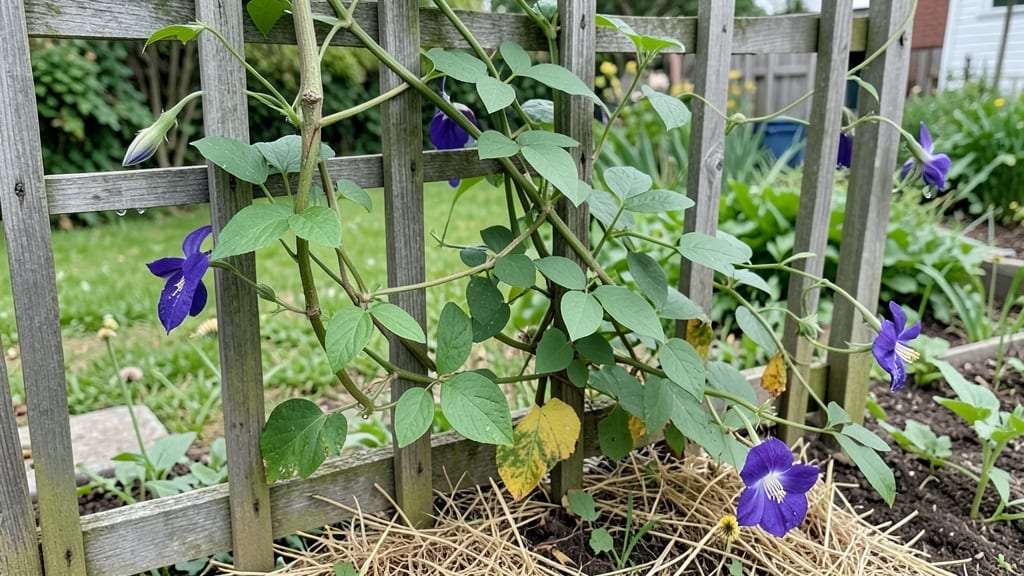
Flowering trellis plants turn blank walls and tight corners into vibrant green canvases—and I’ve found the best climbers that do it with minimal fuss. 🌿 The right plants transform even a 4x4-foot patio into a lush vertical garden, saving space while adding color all season long.
My favorite? Clematis—it blooms from early summer to frost, and the way it drapes over a lattice creates this dreamy, romantic effect.
You’ll want plants that climb naturally (no forcing required) and thrive in your sunlight conditions. Morning glories are the easy winners for quick color, while climbing roses bring that classic, fragrant charm. Sweet peas add a sweet scent and delicate blooms, perfect for cottage-style gardens.
The key is matching the trellis height to the plant’s growth habit—5- to 6-foot trellises work for most climbers, but roses need sturdy support for their weight.
Imagine stepping into your garden and seeing jewel-toned blooms spilling over every available surface, creating a living tapestry. These plants aren’t just pretty—they attract pollinators, extend your blooming season, and make small spaces feel grand. Plus, they’re easier to maintain than you’d think, with minimal pruning and watering once established.
Whether you’re working with a balcony railing, a freestanding trellis, or even a chain-link fence, these plants adapt beautifully. The best part? You can mix and match varieties for continuous color from spring through fall. Let’s get your vertical garden growing!
📚 In This Guide
- What you need
- Instructions
- Tips and common mistakes
- Wrapping up and next steps
What you need
- ● Trellis Structure: 1-2 freestanding or wall-mounted trellises (wood, metal, or PVC; height: 4–8 ft, width: 2–4 ft)
- ● OR DIY materials: 2x4 lumber, chicken wire (4 ft x 8 ft roll), or bamboo stakes
- ● Flowering Vines (Choose 2–3): 1–2 clematis plants (for height and bold blooms)
- ● 1–2 morning glory or sweet pea vines (fast-growing, fragrant)
- ● 1 roses (climbing variety) or honeysuckle (for texture + scent)
- ● Potting Supplies: 1 large container or raised bed (12–18" deep, with drainage holes)
- ● 1–2 gallon-sized pots (if planting individual vines)
- ● 3–5 cu. ft. of high-quality potting mix (lightweight, well-draining)
- ● Hardware: 4–6 galvanized screws or brackets (for securing trellis to walls/fences)
- ● 1 measuring tape and level (for precision)
- ● 💡 LED garden lights (solar-powered, for nighttime glow)
- ● 🌡️ Self-watering system (drip irrigation or reservoir pots)
- ● ✨ Decorative accents (fairy lights, mosaic tiles, or painted trellis designs)
- ● 🔄 Support ties (soft plant clips or twine for guiding vines)
How to create a stunning vertical flowering trellis garden
Transform any small space into a lush, fragrant paradise with these easy steps—no green thumb required!
🪴 Step 1: Select the Perfect Trellis Structure
Choose a trellis that matches your space and plant needs. For climbing vines like morning glories or clematis, opt for a sturdy A-frame or pyramid trellis—these provide maximum support for heavy blooms. If you're working with lighter flowers like nasturtiums or sweet peas, a freestanding lattice panel or wall-mounted trellis will do the trick. I always measure my space first: ensure the trellis is at least 4 feet tall for most flowering vines to reach their full potential.
Install the trellis in a location with at least 6 hours of direct sunlight daily. South-facing walls or balconies are ideal, but even east-facing spots work for sun-loving varieties like roses or honeysuckle. If you're mounting to a wall, use L-brackets or heavy-duty screws to secure it firmly—you don’t want your trellis toppling when those flowers get heavy with blooms!
🌱 Step 2: Choose and Prepare Your Flowering Climbers
Pick plants that thrive vertically and suit your climate. Morning glories and nasturtiums are fast-growing and perfect for beginners, while clematis and roses offer long-term beauty but need more patience. I always start with 4-6 plants per trellis to create a full, lush look without overcrowding. If using seeds, sow them 4-6 weeks before the last frost date indoors or directly in the ground after all danger of frost has passed.
For transplants, inspect the roots before planting—healthy roots should be white or light tan, not brown or mushy. Dig a hole twice as wide as the root ball and just as deep. Mix the 1 bag of compost into the soil at the bottom of the hole to give your plants a nutrient boost right from the start. Water deeply after planting to settle the soil and encourage root growth.
☀️ Step 3: Train and Support the Vines
As your plants grow, gently guide them onto the trellis using soft plant ties or twine. Avoid metal or wire ties—they can cut into delicate stems as the vines thicken. I like to tie vines loosely at first, then adjust as they grow to prevent damage. For morning glories or sweet peas, you can also weave the tendrils through the lattice yourself—it’s like giving your plants a gentle handshake to encourage them upward!
Prune regularly to shape your trellis garden. Pinch back the tips of young shoots to encourage bushier growth, and remove any dead or yellowing leaves. This keeps your plants healthy and ensures energy goes toward producing more flowers, not extra foliage. Watch for new growth emerging from the base—this is where your trellis will fill out most beautifully.
💧 Step 4: Water and Feed for Maximum Blooms
Water your trellis plants deeply 2-3 times per week, ensuring the soil stays evenly moist but not soggy. The 1 gallon of slow-release fertilizer you mixed into the planting hole will provide nutrients for the first few months, but after that, feed your plants every 4-6 weeks with a balanced liquid fertilizer (10-10-10 ratio) during the growing season. You’ll notice a difference in vigor and flower production within weeks!
Mulch the base of your trellis with 2-3 inches of organic mulch to retain moisture and suppress weeds. I use straw or shredded leaves—they break down slowly and add nutrients to the soil as they decompose. Avoid piling mulch against the stems, though; keep it 2-3 inches away to prevent rot.
✂️ Step 5: Maintain and Enjoy Your Vertical Garden
Deadhead spent blooms regularly to encourage continuous flowering. For example, with morning glories, I snip off faded flowers in the morning—this triggers the plant to produce more buds. If you’re growing clematis or roses, prune in late winter or early spring to shape the plant and remove any dead wood. You’ll see stronger growth and more abundant blooms the following season.
Keep an eye out for pests like aphids or spider mites, which love tender new growth. If you spot them, spray the plants with neem oil or insecticidal soap—it’s organic, effective, and won’t harm your flowers. With proper care, your trellis garden will thrive for years, turning heads and filling your space with color, fragrance, and life!
Tips & tricks for perfect vertical flowering trellis gardens
These game-changing tips will transform your trellis garden from ordinary to extraordinary—no matter how small your space!
Trellis Height Matters: That 4-foot minimum height recommendation isn't arbitrary—it's the magic number for most climbing vines to reach their full potential. For heavy bloomers like clematis, consider extending to 5-6 feet to support the weight of mature flowers. I've seen morning glories reach 10 feet on sturdy A-frame trellises when given enough space to climb! The extra height creates dramatic vertical impact while preventing vines from sprawling across your patio.
Sunlight Strategy: The 6-hour daily sunlight requirement is non-negotiable for most flowering vines, but here's the secret: east-facing locations work beautifully for sun-loving varieties like roses and honeysuckle because morning sun is gentler. For maximum blooms, position your trellis to catch the late afternoon sun (2-6 PM) when temperatures are cooler. This prevents heat stress while still providing plenty of light for photosynthesis.
Plant Spacing Secrets: Those 4-6 plants per trellis create the perfect balance between full coverage and healthy growth. For a more dramatic look, space plants 12-18 inches apart along the base of the trellis. This allows each vine to establish its own support system while still filling the vertical space beautifully. Pro tip: interplant fast growers like nasturtiums with slower climbers like clematis—they'll complement each other perfectly as they mature.
Pruning Payoff: The pinch back technique in Step 3 isn't just about shaping—it's about redirecting energy. When you remove those growing tips, you're telling the plant to focus on lateral growth instead of climbing straight up. This creates bushier vines with more flower buds. I like to do my first pinch when plants reach 6-8 inches tall, then repeat every 4-6 weeks during the growing season. The results? A trellis bursting with flowers from top to bottom!
Pro Tips for Flowering Trellis Plants
- These game-changing tips will transform your trellis garden from ordinary to extraordinary—no matter how small your space!
- Trellis Height Matters: That 4-foot minimum height recommendation isn't arbitrary—it's the magic number for most climbing vines to reach their full potential.
- For maximum blooms, position your trellis to catch the late afternoon sun (2-6 PM) when temperatures are cooler.
Frequently asked questions
Got questions about transforming your space with flowering trellis plants? You’re in the right place! Here are answers to the most common queries to help you grow with confidence—no green thumb required.
What’s the best time of year to plant flowering trellis plants?
For most flowering climbers like clematis, roses, or morning glories, spring (after the last frost) is ideal—so roots establish before summer heat. However, cool-season bloomers (e.g., sweet peas) thrive when planted in early fall for winter/early spring flowers. Always check your plant’s specific needs!
How often should I water flowering trellis plants?
Newly planted trellis flowers need deep watering 2–3 times per week until established (about 6–8 weeks). Once rooted, most climbers prefer 1–1.5 inches of water weekly, but mulch heavily to retain moisture. Watch for wilting leaves—a sign they’re thirsty!
Can I use a trellis for non-flowering vines like ivy or wisteria?
While this guide focuses on flowering trellis plants, foliage vines (e.g., ivy, jasmine) also thrive on trellises. Just note that wisteria can be aggressive—choose a sturdy trellis and prune regularly. For edible vines (e.g., pole beans), opt for lightweight, breathable materials.
Why aren’t my flowering trellis plants blooming? Troubleshooting tips!
Common culprits include:
- Too much nitrogen (focus on phosphate-rich fertilizer for blooms).
- Overcrowding—thin plants to improve airflow and sunlight.
- Pruning at the wrong time: Trim after flowering (for most) or in late winter (for spring bloomers).
- Insufficient sunlight: Most flowering climbers need 6+ hours of sun daily.
What’s the easiest flowering trellis plant for beginners?
Start with morning glories or sweet peas—both are fast-growing, drought-tolerant, and bloom prolifically with minimal care. For a perennial option, try honeysuckle or climbing roses (like ‘New Dawn’). All three are forgiving and perfect for small spaces!
Wrapping up and next steps
Transforming your small space into a lush, vertical garden is easier—and more rewarding—than you think! 🌸 Flowering trellis plants like clematis, morning glories, and roses bring color, texture, and life to walls, fences, or balconies with minimal footprint.
Whether you’re a beginner or a green-thumb enthusiast, these plants offer low-maintenance beauty and a creative outlet to play with nature.
Ready to dive in? Start small—pick one plant, gather your supplies, and let your trellis vision grow! 🌱 Next up: sketch your design, choose a sunny spot, and watch your vertical oasis bloom.