
Plants
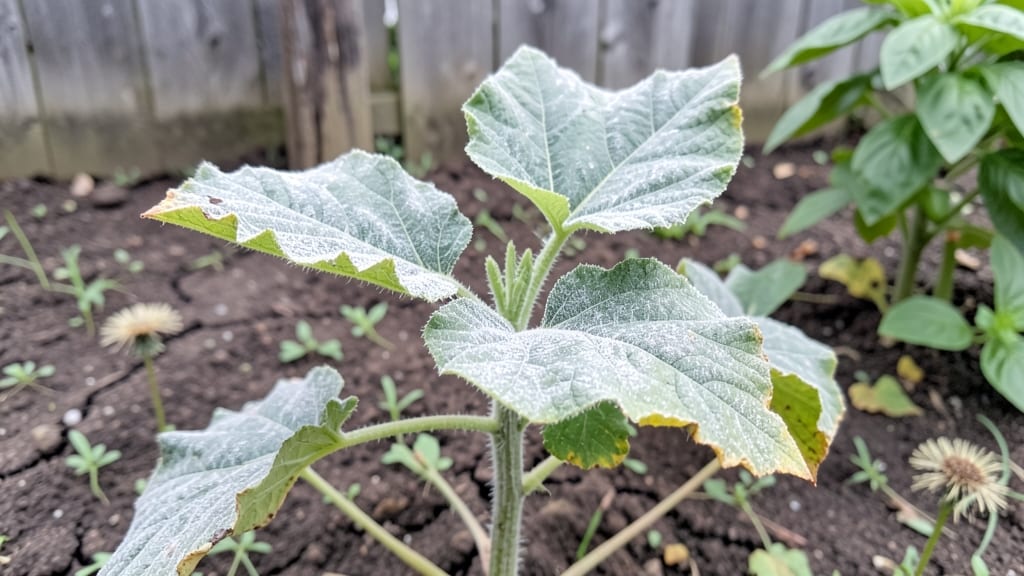
Fungus in plants can turn your thriving garden into a sad, spotted mess—unless you catch it early. 🌱 I’ve seen powdery mildew blanket roses in days and rust turn my kale leaves into rusty lace. The good news? Most fungal issues are preventable with the right habits.
These infections thrive in damp, crowded conditions, so proper spacing and watering make all the difference. I learned the hard way that overhead watering invites trouble—switching to drip irrigation cut my mildew problems by half. The key is acting fast before spots spread to stems or roots.
You’ll learn to spot the early signs—yellowing, white powder, or dark spots—and how to treat them organically (neem oil, baking soda sprays) or with targeted fungicides. Once you master these basics, your plants will stay lush and healthy all season.
Works for vegetables, flowers, and houseplants alike. Let’s keep your garden fungus-free!
The Hidden Triggers Behind Plant Fungus
Fungal infections in plants don’t appear out of thin air—they’re the result of a perfect storm of environmental, biological, and even human factors. Understanding these triggers is the first step to preventing them. Let’s break down the key reasons why fungus takes hold in your garden or greenhouse.
Fungi thrive in wet, oxygen-starved conditions, making excess moisture their favorite breeding ground. When soil stays soggy for too long, spores germinate and infect plant tissues. Here’s why it happens:
- Root suffocation: Overwatering displaces oxygen in the soil, creating anaerobic zones where fungi like Phytophthora and Pythium flourish.
- Stagnant water: Poor drainage (e.g., compacted soil or clay pots) traps water at the roots, giving fungi direct access to plant cells.
- Leaf wetness: Fungal spores (e.g., Botrytis for gray mold) latch onto damp foliage, especially in humid climates or after rain.
Actionable fix: Use well-draining soil mixes, elevate pots, and water at the base—not overhead. 💡 Pro tip: Drip irrigation reduces leaf moisture better than sprinklers.
Fungi are opportunistic—most need warmth (60–85°F) and high humidity (70%+) to spread. Here’s how climate plays a role:
| Fungus Type | Temperature Range | Humidity Trigger | Common Hosts |
|---|---|---|---|
| Powdery Mildew | 60–85°F | >70% humidity, dry leaf surfaces | Roses, cucumbers, grapes |
| Rust Fungi | 65–75°F | Frequent rain + shade | Wheat, beans, tomatoes |
| Black Spot | 70–80°F | Leaf wetness >10 hours | Hydrangeas, roses |
Why it matters: Cool nights + warm days create condensation on leaves, while stagnant air (like in greenhouses) traps spores. 🌡️ Pro tip: Use fans to circulate air and avoid overhead watering in the evening.
Stressed plants are fungus magnets because their natural barriers (cuticle, stomata) weaken. Common stressors include:
- Nutrient deficiencies: Low nitrogen or phosphorus weakens cell walls, making plants vulnerable to Fusarium wilt.
- Physical damage: Pruning cuts, insect bites, or hail create entry points for spores.
- Disease cycles: A previous infection (e.g., viral disease) can leave plants susceptible to secondary fungal attacks.
Actionable fix: Rotate crops, sterilize tools with 70% alcohol, and fertilize with balanced NPK (e.g., 10-10-10) to boost immunity. ✨ Pro tip: Compost tea can enhance soil microbes that outcompete pathogens.
Fungal spores are persistent—they can linger in soil for years or hitchhike on gardening tools. Key sources:
- Old compost: Improperly heated compost retains Sclerotinia or Rhizoctonia spores.
- Reused containers: Plastic pots or soil mixes from infected plants may harbor Phytophthora.
- Shared tools: Pruners, trowels, or gloves contaminated with Botrytis can spread spores between plants.
Actionable fix: Solarize soil (cover with clear plastic for 4–6 weeks) or use fungicidal soil drenches (e.g., copper-based). 🔥 Pro tip: Disinfect tools with a 1:10 bleach-water solution between uses.
Some insects accelerate fungal spread by:
- Damaging tissue: Aphids, mites, or thrips create wounds where Alternaria or Colletotrichum can invade.
- Transmitting spores: Beetles (e.g., cucumber beetles) carry Erwinia bacteria that weaken plants before fungi move in.
- Sticky honeydew: Sap-sucking pests leave residue that promotes sooty mold (Capnodium).
Actionable fix: Use neem oil or insecticidal soap to control pests before fungal symptoms appear. 🎯 Pro tip: Introduce beneficial insects like ladybugs to manage pest populations naturally.
Airflow is your best defense—crowded plants trap moisture and spores.
Why spacing matters: - Shade and humidity: Dense foliage blocks sunlight, slowing leaf drying and encouraging powdery mildew. - Splash dispersal: Water droplets from overwatering can splash spores from soil to leaves (e.g., early blight). - Monoculture risks: Planting the same species in rows (e.g., tomatoes) creates a fungal buffet for Verticillium wilt.
Actionable fix: Follow plant spacing guidelines (e.g., 18–24" for tomatoes) and prune for airflow. 💡 Pro tip: Mulch with straw (not wood chips) to reduce soil splatter.
Quick Fixes for Plant Fungus Woes
Fungal infections can feel like a losing battle, but with the right approach, you can save your plants and prevent future outbreaks. Below, we’ve mapped common causes to practical, step-by-step solutions—plus prevention tips to keep your garden thriving. 🌱💪
Signs: Yellowing leaves, mushy stems, or a foul smell near the soil.
How to Treat It: 🔥 Adjust Your Watering Routine
- Let the top 1–2 inches of soil dry out between waterings. Stick your finger in the soil—if it’s damp, wait!
- Water deeply but less frequently to encourage strong root growth and reduce soggy conditions.
👨🍳 Improve Soil Drainage
- Mix in perlite, sand, or compost to loosen heavy clay soil.
- If potted plants are affected, repot into containers with drainage holes and a well-draining mix.
🥘 Remove Affected Soil
- Scoop out the top 2–3 inches of soggy soil and replace it with fresh, dry potting mix.
- For garden beds, amend the area with organic matter (like compost) to improve aeration.
Prevent It: ✨ Use raised beds or containers for plants prone to rot (e.g., tomatoes, peppers). 🌡️ Water in the morning so foliage dries quickly, reducing humidity—fungi love damp leaves!
Signs: Dark spots on leaves, white powdery residue, or leaf curling.
How to Treat It: 🔥 Prune and Toss Infected Parts
- Snip off spotted or powdery leaves with clean shears and dispose of them in the trash (not compost!).
- For severe cases, remove entire infected plants to stop the spread.
🍳 Apply Fungicidal Sprays (Natural or Store-Bought) - Baking soda spray: Mix 1 tsp baking soda + 1 tbsp oil + 1 tsp mild soap per quart of water.
Spray every 7–10 days. - Neem oil or copper fungicide: Follow label instructions for coverage. - Hydrogen peroxide (3%): Dilute 1 part peroxide to 3 parts water and spray leaves (test on a small area first).
🥘 Boost Plant Immunity
- Feed plants with compost tea or liquid seaweed to strengthen natural defenses.
- Ensure they get 6–8 hours of sunlight daily—fungi thrive in shady, humid conditions.
Prevent It: 💡 Space plants properly for airflow (crowding = fungus paradise). 🎯 Avoid overhead watering—use a drip irrigation system or water at the base.
Signs: Wilting despite wet soil, blackened roots, or plants toppling over easily.
How to Treat It: 🔥 Emergency Root Rescue
- Gently remove the plant from the soil and trim away mushy, black roots with sterilized scissors.
- Soak the roots in a 1:10 hydrogen peroxide-water mix for 10 minutes to kill fungus.
👨🍳 Repot in Fresh, Sterile Soil
- Use a well-draining mix (add perlite or vermiculite).
- Choose a clean pot (sterilize with bleach if reusing).
🥘 Adjust Care Post-Rescue
- Water lightly for 1–2 weeks to let roots recover.
- Keep the plant in bright, indirect light until new growth appears.
Prevent It: ✨ Monitor soil moisture with a moisture meter or your finger. 🌱 Rotate crops annually to prevent soil-borne fungus buildup.
- Sterilize tools between plants with rubbing alcohol.
- Mulch properly—use straw or wood chips (not thick layers that trap moisture).
- Rotate plant families in garden beds to disrupt fungus cycles.
- Inspect new plants before bringing them home—quarantine for 2 weeks if possible.
Remember: Early action is key! Catch fungus before it spreads, and your plants will bounce back stronger. 🚀 With these fixes, you’ll be the fungus-fighting hero your garden deserves!
Frequently asked questions about plant fungus
What are the first signs of fungus in plants?
Watch for white powdery coatings (powdery mildew), dark spots with yellow halos (leaf spot), or rust-colored pustules (rust fungus). Early signs also include leaf curling, stunted growth, or a musty smell near the soil—especially after rain.
Can I save a plant already infected with fungus?
Yes, but act fast! Prune infected leaves immediately, apply a baking soda spray (1 tsp baking soda + 1 tbsp oil per quart of water), and improve airflow. For root rot, trim blackened roots and repot in fresh, sterile soil. Severe cases may require removing the plant entirely to prevent spread.
Why does fungus spread faster in crowded gardens?
Poor airflow traps moisture, creating ideal conditions for spores. Crowded plants also block sunlight, slowing leaf drying. Follow spacing guidelines (e.g., 18–24 inches for tomatoes) and prune to improve circulation—this cuts fungal risk by up to 70%.
Are there organic fungicides that actually work?
Neem oil (1 tsp per quart of water) and copper fungicide (follow label rates) are proven organic options. For prevention, a baking soda spray (1 tsp baking soda + 1 tbsp oil) applied every 7–10 days can stop mildew in its tracks. Test sprays on a small leaf first.
How do I prevent fungus in my indoor plants?
Reduce humidity with a dehumidifier or fan, and avoid overhead watering. Use pots with drainage holes and sterilize soil before repotting. Isolate new plants for 2 weeks to check for hidden spores—this stops fungal hitchhikers before they spread.