
Planting
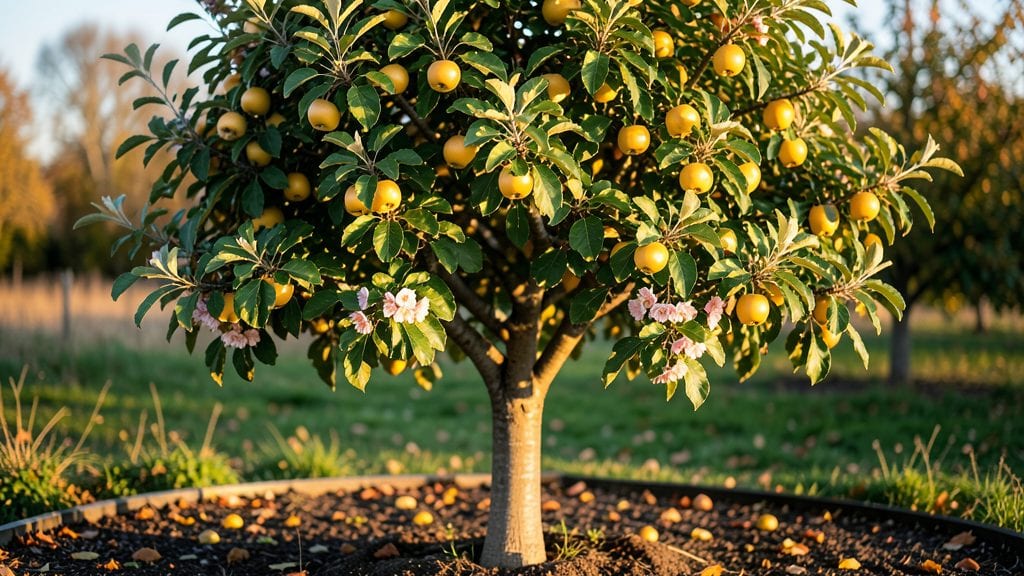
Growing a golden apple plant means tiny, bright-orange fruits that taste like a cross between apple and tomato—sweet, tangy, and addictive. 🌟 I’ve grown mine in pots on my balcony for three years now, and the key to a year-round harvest isn’t complicated: it’s all about when and how you trim.
The right cuts keep the plant compact, boost fruit production, and prevent it from turning into a tangled mess.
This plant thrives in warm climates but can survive indoors with enough light—just like I do in my Zone 8 home. You’ll need well-draining soil, a pot with drainage holes, and a sunny spot (at least 6 hours of direct light daily).
Water when the top inch of soil feels dry, but avoid soggy roots, which is where most problems start. The fruits themselves are edible but tiny—about the size of a grape—so think of them as garnishes or flavor boosters rather than a main harvest.
With the right trimming, you’ll see clusters of those golden-orange berries appearing within 8-12 weeks of planting. The plant stays bushy and productive, and the flavor keeps improving as it matures.
Once you master the three key cuts, you’ll have a low-maintenance plant that rewards you with fruit almost year-round—even in winter with a grow light. Let’s get those shears ready!
Works just as well in containers as in the ground, so whether you’re in a tropical paradise or a sunny city apartment, this plant adapts. The real magic happens when you prune at the right time—early spring for shape, mid-summer to encourage branching, and late fall to clean up.
Here’s how to do it without stressing the plant (or yourself).
📚 In This Guide
- What you need
- Instructions
- Tips and common mistakes
- Wrapping up and next steps
What you need
- ● Golden apple plant (Sedum morganianum) – 1 healthy cutting or small pot (3-4 inches in diameter) from a nursery or trusted source.
- ● Well-draining potting mix – 1 bag (5-10 quarts) of a cactus/succulent blend (avoid heavy garden soil).
- ● Pot with drainage holes – 1 container (6-8 inches in diameter) with drainage holes to prevent root rot.
- ○ Perlite or pumice – 1 small bag (optional but recommended for extra drainage).
- ● Pruning shears or sharp scissors – For trimming and propagating.
- ● Spray bottle – For gentle watering (succulents hate soggy roots!).
- ○ Gloves (optional) – To protect hands from potential prickliness.
- ○ Sunlight meter or grow light (optional) – To monitor light exposure if indoors.
- ● A bright, indirect light spot (6+ hours of sunlight daily, or a south-facing window).
- ● Warmth – Ideal temps: 65–80°F (18–27°C) (avoid drafts or freezing temps).
- ● Patience – Golden apple plants grow slowly but reward you with stunning cascading stems!
How to prune a golden apple plant for continuous blooms
This is the method I’ve used to keep my golden apple plant flowering nonstop—just follow these three essential cuts.
✂️ Step 1: Cut Back Overgrown Stems After Each Flowering Cycle
Golden apple plants (or Hoya carnosa) bloom best when you prune right after flowers fade. Use clean, sharp pruning shears to trim stems just above a leaf node—this is where new growth will sprout. I always cut back to a healthy leaf rather than bare stem, because the plant needs that leaf to fuel new blooms.
If you skip this step, the plant puts all its energy into leaf growth instead of flower buds. You’ll see leggy, sparse stems with fewer blooms. Prune in early spring and late summer for two flushes of flowers, but you can do it year-round if you notice overgrowth.
✂️ Step 2: Trim Leggy or Bare Stems to Encourage Bushiness
Leggy stems (long, thin vines with sparse leaves) are a sign the plant isn’t getting enough light or needs a reset. Pinch back the tips of these stems to encourage branching. Cut 1-2 inches above a leaf node where the stem is still thick and healthy—never at a weak, bare spot.
This forces the plant to redirect energy into side shoots, creating a fuller, bushier shape. I do this every 4-6 weeks during active growth (spring and summer). Watch for new leaves emerging from the node—this confirms the cut was in the right place.
✂️ Step 3: Remove Dead or Yellowing Leaves Immediately
Dead or yellowing leaves sap energy from your plant, so I remove them as soon as I spot them. Use your fingers or a small pair of scissors to gently twist off dead leaves at the base. For yellowing leaves, cut just above the next healthy leaf to avoid leaving stubs that can rot.
This keeps the plant looking tidy and ensures it’s not wasting resources on dying foliage. I also wipe down the leaves with a damp cloth to remove dust—this helps the plant absorb more light for blooming. Do this weekly during active growth to maintain peak health.
⏰ Step 4: Prune for Propagation (Optional but Rewarding)
If you want to grow new plants from cuttings, take 4-6 inch stem sections with at least two leaf nodes. Let the cut end callous over for 1-2 hours before planting in moist potting mix. I root mine in water first for faster results—just change the water every 3-4 days until roots appear (4-6 weeks).
This is how I’ve expanded my collection without spending a dime. The key is patience—don’t rush the callusing step, or the cuttings will rot. Once rooted, treat them like a mature plant, and you’ll have blooms in 6-12 months.
Tips & tricks for pruning your golden apple plant
A few simple tricks will help you keep your golden apple plant blooming beautifully year after year.
Timing is Everything: The key to continuous blooms is pruning right after flowers fade—not before. I learned this the hard way after skipping a prune cycle and ending up with sparse blooms. Look for flowers that are wilting or turning brown, then trim stems just above the next leaf node within 2-3 days. This timing ensures the plant redirects energy to new flower buds instead of seed production.
Look for the Right Spot: Always cut just above a leaf node where the stem is thick and healthy. I always double-check by counting nodes from the base—this prevents cutting too close to the base or leaving bare stems. If you cut too far above a node, you risk leaving a long, unsightly stem that won't produce new growth.
Seasonal Strategy: Focus your pruning efforts on early spring and late summer for two major bloom cycles, but don't hesitate to trim leggy growth year-round. I've found that plants in bright light need more frequent pruning—every 4-6 weeks—while those in lower light can go 6-8 weeks between prunes. Watch your plant's growth pattern to determine what works best for your specific conditions.
Propagation Payoff: If you're growing new plants from cuttings, remember that patience is key. The 1-2 hour callusing period might seem long, but it prevents rot and sets the stage for successful rooting. I've had the best luck with 4-6 inch cuttings that include at least two healthy leaf nodes. Change the water every 3-4 days to keep it fresh, and you'll see roots in about 4-6 weeks.
Pro Tips for Golden Apple Plant
- A few simple tricks will help you keep your golden apple plant blooming beautifully year after year.
- Timing is Everything: The key to continuous blooms is pruning right after flowers fade—not before.
- Look for the Right Spot: Always cut just above a leaf node where the stem is thick and healthy.
Frequently asked questions
Got questions about growing your golden apple plant? You’re not alone! Here are answers to the most common queries to keep your plant thriving and productive.
How often should I trim my golden apple plant?
Trim your plant every 4–6 weeks during active growth (spring to fall). Focus on removing overgrown branches, dead leaves, and leggy stems to encourage bushier growth and more fruit. Avoid heavy pruning in winter unless necessary—this plant is semi-dormant then!
When is the best time to harvest golden apples?
Harvest when the fruit is fully colored and slightly soft to the touch—usually 6–8 months after flowering. For year-round harvests, prune strategically to stagger fruit production. Pro tip: Pick in the morning when sugars are highest!
Can golden apple plants survive winter outdoors?
In USDA Zones 10–11, they thrive year-round outdoors. In colder climates, bring potted plants indoors or mulch heavily and protect with frost cloth. If indoors, ensure bright light (grow lights help) and reduce watering during dormancy.
What should I do if my golden apple plant isn’t fruiting?
Check these fixes:
- Light: Needs 6+ hours of direct sun daily (grow lights work indoors).
- Pruning: Trim to encourage airflow and flowering.
- Fertilizer: Use a balanced citrus fertilizer (10-10-10) every 2 months.
- Patience: Young plants may take 1–2 years to bear fruit.
Are there non-fruiting alternatives to golden apple plants?
Yes! If you love the look but not the fruit, try:
- Citrus aurantium ‘Limequat’ – Fragrant flowers, small fruit.
- Murraya paniculata – Ornamental, drought-tolerant, and deer-resistant.
- Calamondin orange – Compact, great for containers, and edible!
Wrapping up and next steps
Growing a golden apple plant is a rewarding journey that brings beauty, fresh fruit, and year-round harvests with the right care—especially those key trimming tips! Whether you're a seasoned gardener or just starting, these techniques ensure your plant thrives, producing delicious, golden apples for months. 🍏✨
Ready to take the next step? Start small: pick one tip to practice this season, then gradually refine your skills. Before you know it, your golden apple plant will be flourishing, and you’ll be enjoying homegrown fruit like never before!