
Companion Plants
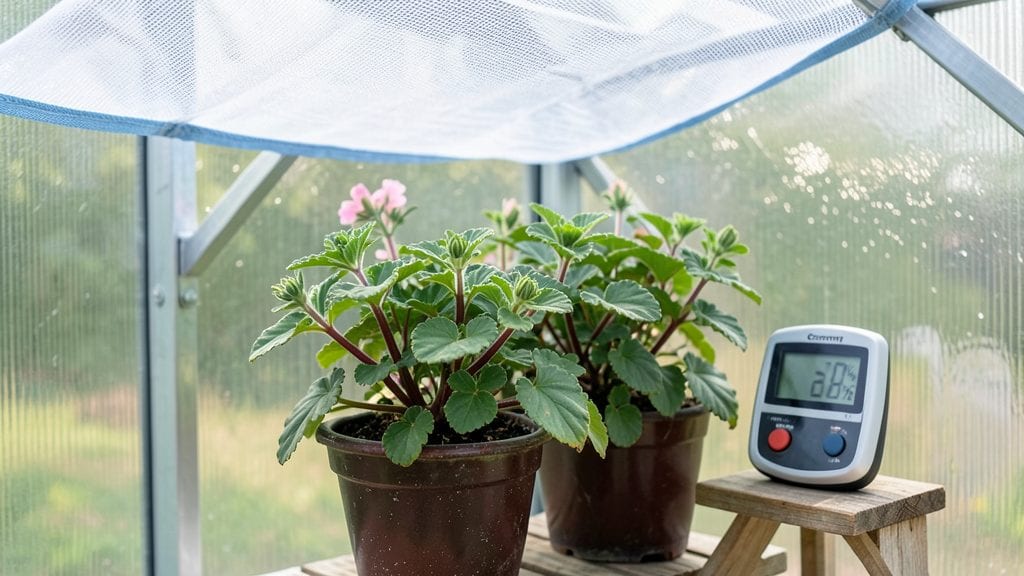
Ensuring greenhouse plants safety requires choosing pet-friendly and child-safe species like spider plants, Boston ferns, and African violets, while steering clear of hazardous varieties such as oleander, dieffenbachia, or sago palm. Always verify plant toxicity before adding them to enclosed spaces where vulnerable individuals may interact closely.
Creating a safe greenhouse environment starts with understanding which plants release harmful compounds when confined. 🌿 Many toxic species contain irritating sap or volatile oils that can trigger allergic reactions, skin irritation, or even respiratory distress in pets or children.
For example, dieffenbachia releases calcium oxalate crystals that cause painful mouth swelling if chewed, while sago palms contain cycasin—a toxin that can lead to liver failure in dogs. The enclosed greenhouse space concentrates these risks, making plant selection critical for long-term health.
Beyond toxicity, consider your greenhouse's airflow and humidity levels—these factors influence how quickly airborne irritants disperse. 💫 High-moisture environments can amplify the spread of plant allergens, so pairing safe species with proper ventilation creates a balanced ecosystem.
Always cross-reference your plant choices with ASPCA or human toxicity databases before making final selections.
💡 In This Article
- Identifying Toxic Greenhouse Plants and Their Dangers
- Safe Greenhouse Plant Alternatives for Families and Pets
Identifying toxic greenhouse plants and their dangers
Toxic greenhouse plants pose risks through chemical compounds like oxalates, alkaloids, and saponins that trigger reactions when ingested or inhaled. For instance, dieffenbachia contains calcium oxalate crystals that cause immediate burning sensations in the mouth and throat—similar to how chili peppers create capsaicin-induced irritation, but far more painful.
These compounds are especially dangerous in enclosed spaces where airborne particles and sap concentrations increase, amplifying exposure risks for pets and children.
Common greenhouse hazards include oleander (contains cardiac glycosides that disrupt heart rhythms) and sago palm (cycasin toxin causing liver damage). Even touching these plants can lead to dermatitis—visible as red, itchy rashes within 6-24 hours, much like poison ivy's delayed allergic response.
The greenhouse's controlled environment accelerates these reactions by trapping volatile organic compounds (VOCs) emitted by foliage, creating an invisible but potent hazard zone.
Symptoms vary by species but often include gastrointestinal distress (vomiting, diarrhea), respiratory issues (coughing, wheezing), and neurological effects (dizziness, seizures). For example, lilies—common in greenhouses—contain lilial, a compound that causes kidney failure in cats within 36-72 hours of ingestion, with symptoms including excessive drooling and lethargy.
The confined greenhouse space makes these symptoms more pronounced due to concentrated exposure.
What most people overlook is how humidity levels in greenhouses (typically 60-80%) enhance toxin absorption through skin and mucous membranes. High moisture increases the solubility of plant toxins, making them more bioavailable.
This is why even non-lethal plants like philodendrons (containing insoluble calcium oxalates) can cause severe oral irritation in pets that chew leaves.
To mitigate risks, consider these key factors: airflow (exhaust fans reduce VOC buildup), glove use when handling plants, and regular surface cleaning to remove sap residues.
For example, a 10-minute misting with water can temporarily neutralize airborne irritants from cut foliage, similar to how chefs rinse cutting boards to prevent cross-contamination.
Always maintain a toxic plant inventory with care instructions and emergency contacts. The ASPCA's toxic plant database lists 700+ hazardous species, including many greenhouse favorites. Proactive labeling—like color-coded tags for toxic vs. safe plants—can prevent accidental exposures in busy gardening environments.