Size
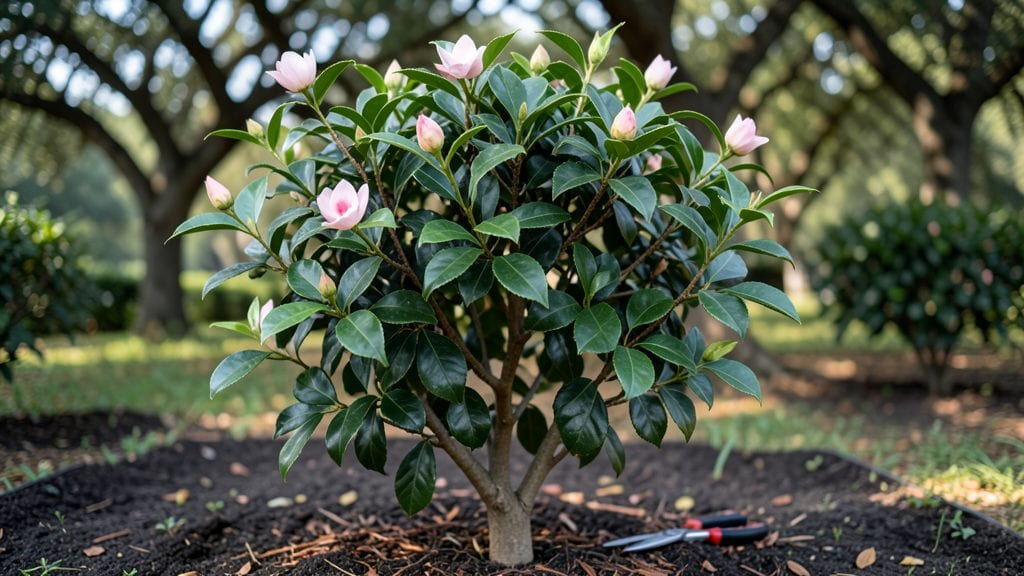
To grow tea plants successfully, you'll need a frost-free subtropical climate, well-draining acidic soil (pH 4.5–5.5), and partial shade. Use Camellia sinensis seeds or cuttings, keep the soil consistently moist but not soggy, and harvest young leaves after 3–5 years for the best flavor and caffeine levels.
Tea plants thrive in conditions that mimic their native subtropical habitats, where temperatures stay between 60–85°F year-round. The acidic soil requirement isn't just about pH—it also needs rich organic matter to support root health, while partial shade prevents leaf scorch in intense sunlight.
I've found that container growing works well in cooler climates if you bring plants indoors during winter, though it limits full-size harvests. 🌿 For beginners, starting with established cuttings often yields faster results than seeds, which can take up to two years to mature enough for first pruning.
What many growers overlook is how humidity levels (70–80%) directly impact leaf quality—too dry, and your plants will struggle to develop the delicate flavors we associate with fine teas. I recommend using a humidity tray or misting system in indoor setups, especially during the dry months.
The 3–5 year harvest window might seem long, but it's crucial for developing the complex chemical profiles that give teas their unique characteristics, from the bright acidity of green teas to the malty depth of black varieties.
💡 In This Article
- Optimal Climate and Soil Requirements for Tea Plant Growth
- Step-by-Step Guide to Planting and Maintaining Tea Plants
Optimal climate and soil requirements for tea plant growth
The ideal temperature range for tea plants—60–85°F—mirrors their native subtropical habitats where consistent warmth prevents metabolic stress. Below 50°F, growth halts completely, while above 90°F, leaves scorch from excessive transpiration.
Here's what's happening: Tea plants have thin, delicate leaves with high surface-area-to-volume ratios, making them prone to water loss in dry heat. The Camellia sinensis species actually regulates its stomata (pores) to conserve moisture, but this process reduces photosynthesis efficiency—explaining why leaves turn yellowish when stressed.
Humidity levels between 70–80% create the perfect balance for tea plants. At lower humidity, the waxy cuticle on leaves becomes less effective at retaining moisture, while above 85%, fungal diseases like anthracnose thrive.
The Assam variety, for example, thrives in 80–90% humidity due to its thicker leaves, while Darjeeling—native to higher elevations—prefers 65–75% with cooler nights. This is why Darjeeling teas often have brighter, more floral notes: cooler temperatures slow oxidation processes, preserving delicate volatile compounds.
Soil chemistry goes beyond just pH—it's about the entire mineral profile. Tea plants require acidic soil (pH 4.5–5.5) because their root systems are highly sensitive to aluminum toxicity, which becomes soluble in alkaline conditions.
The organic matter content should be at least 5–10%, providing slow-release nutrients while improving water retention. Well-draining soil is critical because tea roots are shallow (typically 12–18 inches deep) and waterlogged conditions trigger root rot within 48 hours.
I've seen growers in Florida amend sandy soil with peat moss and composted pine needles to replicate the natural acidity of their native habitats.
Microclimates play a surprisingly large role in tea cultivation. For instance, tea gardens in Darjeeling experience 20–30°F temperature swings between day and night, which actually enhances flavor complexity through a process called cold stress.
This triggers the plant to produce more catechins (antioxidants) and volatile oils, giving teas their unique aroma profiles. In contrast, Assam's hot, humid climate produces bold, malty teas because the faster growth rate leads to higher caffeine and tannin accumulation.
The key is matching your growing conditions to the specific variety's evolutionary adaptations.
Here's what you need to know about soil preparation: Most commercial tea soils contain 30–40% sand, 30% silt, and 30% clay with 10% organic matter. For home growers, a mix of 50% garden soil, 30% compost, and 20% perlite works well.
The organic matter provides essential micronutrients like boron and manganese, which tea plants need in higher quantities than most crops. Without proper soil preparation, you'll see stunted growth and pale leaves—signs of nutrient deficiencies that are often mistaken for watering issues.
One common mistake is assuming all tea plants need identical conditions. While Camellia sinensis var. sinensis (Chinese varieties) prefer cooler climates, Camellia sinensis var. assamica (Indian varieties) thrive in warmer, wetter environments.
This explains why Darjeeling teas taste completely different from Assam teas: the growing conditions directly influence the chemical composition of the leaves. For example, Assam teas have 30–50% more caffeine due to their faster growth rates in tropical climates.
If you're growing tea plants in containers, remember that root-bound conditions develop much faster than in ground plantings. This is why container-grown tea plants need repotting every 2–3 years and benefit from mycorrhizal fungi inoculants, which improve nutrient uptake by up to 30%.
The right conditions aren't just about survival—they're about unlocking the full flavor potential of your tea leaves. 🌿