Picking
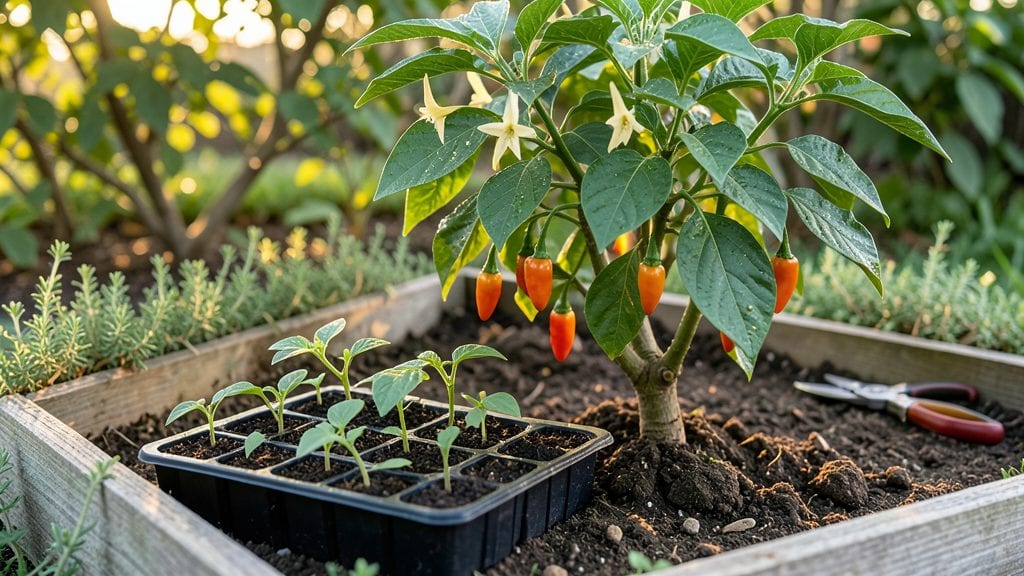
Planting habanero peppers in containers gives you fiery harvests even on small patios—no backyard required. I’ve grown these tiny but mighty plants in 5-gallon pots for years, and the first bright orange peppers always make me grin like a kid at Christmas.
The key isn’t just heat tolerance (they handle 90°F+ like champs) but matching their tropical roots to the right setup: warm soil, bright light, and drainage that keeps roots happy but not soggy.
Start with seeds indoors 8-10 weeks before your last frost, or grab transplants once nighttime temps stay above 60°F. You’ll need well-draining potting mix—think cactus blend mixed with compost—and containers with drainage holes (no exceptions). Habaneros pack serious heat (80,000–350,000 Scoville units), so gloves help when handling plants or peppers.
The first challenge? Damping-off (those sad, mushy seedlings). Prevent it with a fan on low and spacing seeds ¼ inch apart in trays.
By late spring, your habaneros will be bushy and ready for 6-8 hours of direct sun daily. Pinch off early flowers if your plants look leggy—they’ll grow stockier and produce more peppers later.
With consistent watering (let the top inch dry between drinks) and a balanced fertilizer every 4-6 weeks, you’ll watch those first peppers form in 70-90 days. The smell alone—citrusy and tropical—is worth the wait.
Pro tip: Rotate containers weekly so all sides get even sun, and watch for aphids (they love habaneros too). If you’re new to spicy peppers, start with just one plant—you’ll either love the heat or become obsessed. Either way, your neighbors will notice the unusual aroma wafting from your porch.
📚 In This Guide
- What you need
- Instructions
- Tips and common mistakes
- Wrapping up and next steps
What you need
- ● Habanero seeds or seedlings: Choose heat-tolerant varieties like ‘Carolina Reaper,’ ‘Jalapeño Habanero,’ or ‘Orange Habanero’ (3–5 plants for a small harvest).
- ● Containers or garden bed: Containers: 5–7 gallon pots (minimum 12" deep) with drainage holes (3–5 pots for a starter batch).
- ● Garden beds: Full sun (6+ hours/day), well-draining soil (pH 6.0–7.0).
- ● Potting mix: High-quality, organic mix with perlite or vermiculite (avoid heavy garden soil). 1–2 bags (1–2 cubic feet each).
- ● Fertilizer: Balanced (10-10-10) or tomato/pepper-specific fertilizer (1–2 lbs).
- ○ Optional: Compost or worm castings for organic boost.
- ● Tools: Trowel or small shovel.
- ● Pruning shears (for trimming).
- ● Watering can with a gentle spray nozzle.
- ● Gloves (habaneros can be spicy to handle!).
- ● Warmth: Habaneros thrive in 80–90°F (27–32°C) soil temps. Wait until after the last frost or start indoors 8–10 weeks early.
- ● Sunlight: Full sun (6+ hours/day)—no compromises!
- ● Water: Consistent moisture (but not soggy soil). Drought stress = bitter peppers!
- ○ Optional (but helpful): Shade cloth (for extreme heat >95°F/35°C).
- ● Pepper-specific growth regulator (e.g., Algae-based fertilizer for extra heat).
Step-by-step instructions for growing habanero peppers in containers
Here’s how I grow fiery habaneros in pots—no garden needed, just heat and patience.
Choose and Prepare Containers for Maximum Growth
Habaneros need room to spread, so use 5-gallon containers—anything smaller will stunt their roots. Make sure each pot has drainage holes to prevent soggy soil, which rots roots fast. I like black plastic pots because they absorb heat during the day and radiate it back to the roots at night, which habaneros love.
Line the bottom of each pot with 2 inches of gravel to improve drainage. This prevents water from pooling at the roots, which can lead to disease. After adding the gravel, fill the pot about halfway with a well-draining potting mix—never garden soil. The mix should feel light and airy, like crumbled cake, not compacted like wet sand.
Plant Seeds or Transplants at the Right Time
Start seeds indoors 8-10 weeks before your last frost date, or buy healthy transplants from a nursery. If sowing seeds, plant two seeds per pot about ¼ inch deep—they germinate best in warm soil (75-85°F). Cover the seeds lightly with more potting mix, then mist the surface with water until damp but not soaked.
Once seedlings reach 3-4 inches tall, thin to the strongest one by snipping the weaker stem at the base. If using transplants, choose plants with thick stems and dark green leaves—avoid leggy or yellowing ones. Plant them at the same depth they were growing before, pressing the soil gently around the roots to eliminate air pockets.
Provide Full Sun and Consistent Heat
Habaneros crave full sun (6-8 hours daily), so place pots in the sunniest spot—south or west-facing is ideal. If your space gets less light, supplement with a grow light kept 6-12 inches above the plants for 14-16 hours a day. Without enough light, peppers grow weak, produce fewer fruits, and taste milder.
Keep soil evenly moist but not soggy—stick your finger 1 inch deep into the mix. If it feels dry, water deeply until it drains from the bottom. Habaneros are drought-tolerant once established, but young plants need consistent moisture to avoid blossom-end rot. Mulch the surface with 1 inch of straw to retain moisture and keep roots cool.
Fertilize and Prune for Stronger Plants
Feed plants every 2-3 weeks with a balanced fertilizer (10-10-10) once they’ve sprouted their first true leaves. Reduce fertilizer to half-strength once peppers start forming to avoid bitter-tasting fruit. I also side-dress with 1 tablespoon of compost every month to boost nutrients naturally.
Prune leggy stems to encourage bushier growth. Pinch off the top sets of leaves when the plant is 6-8 inches tall to promote branching. Remove any yellow or diseased leaves immediately—they spread problems fast. If you notice whiteflies or aphids, spray with neem oil to keep pests in check without harming the peppers.
Harvest and Encourage More Fruit
Pick peppers when they’re bright red, orange, or yellow—this depends on the variety. Use clean scissors to snip stems, leaving a ¼ inch of stem attached. This encourages more flowers and fruit to form. Wear gloves if you’re sensitive to capsaicin, the compound that makes habaneros hotter than fire!
To extend the harvest, protect plants from frost by moving pots indoors or covering them with frost cloth at night. With proper care, a single habanero plant can produce dozens of peppers over the season—just don’t eat them all at once, or you’ll regret it for days.
Tips & tricks for perfect habanero pepper planting
Mastering container-grown habaneros takes a few key tricks that make all the difference between a thriving plant and a struggling one.
Container Selection Matters: While 5-gallon pots are ideal, don't overlook the importance of material. Black plastic pots work best because they absorb sunlight during the day and release that warmth to the roots at night—exactly what habaneros crave. If you must use fabric or terracotta, place them in a sunny spot where they'll get the extra heat boost. Remember, these plants need room to spread, so avoid anything smaller than 5 gallons.
Soil Temperature is Critical: The instructions mention warm soil (75-85°F) for germination, but maintaining this temperature is just as important after sprouting. If your seedlings aren't growing well, place a seedling heat mat underneath the pots for an extra boost. I've found that even a few degrees difference can mean the difference between strong, healthy plants and weak, leggy ones that struggle to produce fruit.
Lighting Strategy for Small Spaces: When supplementing with grow lights for the required 14-16 hours, position them just 6-12 inches above the plants. Too high, and the light spreads too thin; too low, and you risk burning the leaves. I recommend using LED grow lights—they're energy-efficient and produce less heat than traditional bulbs, which helps prevent stress on your plants. Rotate the pots daily to ensure even growth.
Watering Wisdom: The 1-inch deep soil check is perfect, but there's more to it. Water in the morning so the soil has time to dry out during the day, which prevents fungal diseases. When watering, aim for the soil around the roots rather than pouring directly on the leaves. This keeps the foliage dry and reduces the risk of disease. Mulching with 1 inch of straw helps maintain consistent moisture without creating soggy conditions.
Pro Tips for Habanero Pepper Planting
- Mastering container-grown habaneros takes a few key tricks that make all the difference between a thriving plant and a struggling one.
- Container Selection Matters: While 5-gallon pots are ideal, don't overlook the importance of material.
- Soil Temperature is Critical: The instructions mention warm soil (75-85°F) for germination, but maintaining this temperature is just as important after sprouting.
Frequently asked questions
Got questions about growing your own fiery habanero peppers? You’re not alone! Here are some of the most common queries—plus quick, spicy answers to get you growing like a pro.
How long does it take for habanero peppers to grow from seed?
Habanero peppers are patient little plants! From seed, expect 80–120 days until harvest, depending on the variety and growing conditions. Start seeds indoors 8–10 weeks before your last frost date, then transplant seedlings outdoors after all danger of frost has passed. Pro tip: Use a heat mat to speed up germination—habaneros love warmth!
Can I grow habaneros in cold climates?
Habaneros are tropical divas—they hate cold! They thrive in USDA Zones 9–11 and need consistent temperatures above 60°F (15°C). For cooler zones, grow them in containers and move them indoors when temps drop below 50°F (10°C). A greenhouse or sunny patio can work too!
Why aren’t my habanero plants producing peppers?
No peppers? Don’t panic! Common culprits include lack of sunlight (they need 6+ hours of direct sun daily), overwatering (let soil dry slightly between waterings), or nutrient deficiencies. Feed with a balanced fertilizer (like 10-10-10) every 4–6 weeks. Pro tip: If flowers drop, it might be too hot—keep them below 90°F (32°C) during the day.
What’s the difference between habaneros and other hot peppers?
Habaneros pack 2–5 times the heat of jalapeños (100,000–350,000 Scoville units vs. 2,500–8,000). They’re also smaller, fruitier, and more aromatic—perfect for salsas, hot sauces, and marinades. If you want milder heat, try ‘Carolina Reaper’ (for thrill-seekers) or ‘Jalapeño’ (for beginners).
Can I grow habaneros in containers, and what size pot do I need?
Habaneros love containers—just use a 5-gallon pot or larger with drainage holes. They’re shallow-rooted but need room to sprawl. Mix in well-draining potting soil with compost, and place in a sunny spot. Pro tip: Rotate pots weekly for even growth!
Wrapping up and next steps
Growing habanero peppers is a rewarding journey—packed with fiery flavor and a sense of accomplishment! 🌶️ With the right container, soil, and care, you’ll soon be harvesting vibrant, spicy peppers to spice up your favorite dishes.
Whether you’re a seasoned gardener or a beginner, your green thumb will thank you for taking this bold step.
Now that you’re armed with pro tips and answers to common questions, it’s time to roll up your sleeves and get planting! Start small, keep an eye on those plants, and soon you’ll be sharing your homegrown heat with friends. Happy growing!