
Companion Plants
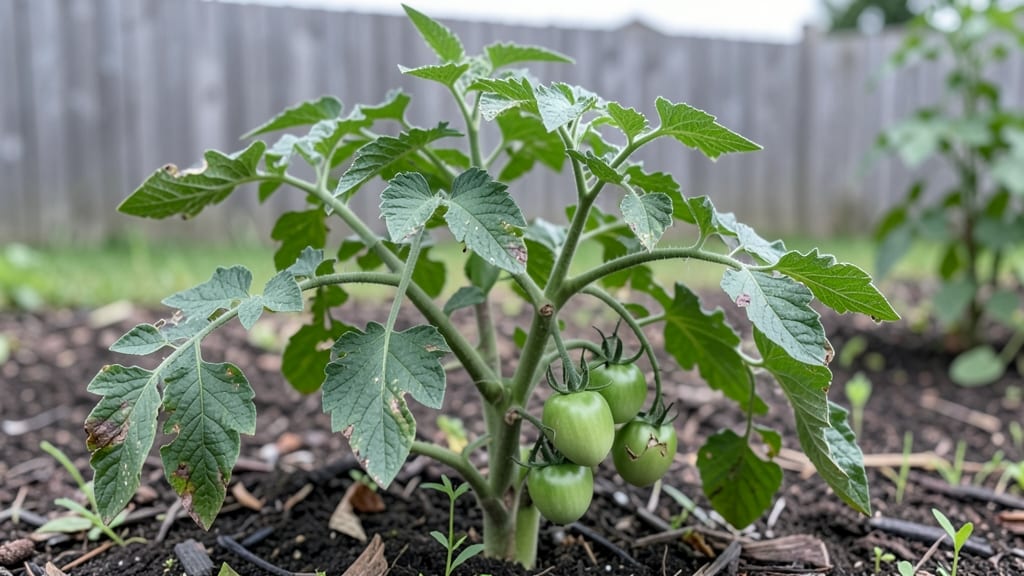
When hail damage plants leave your garden looking like a war zone, the first 48 hours determine whether they bounce back or become firewood. 🌱 I’ve seen tomatoes reduced to pulp and roses stripped bare—yet with the right moves, even the worst-hit plants can recover.
The key is acting fast to stop further damage while giving nature a fighting chance.
Start by assessing the damage: torn leaves, split stems, and bruised fruit are all signs your plants need help. For tender vegetables like peppers or cucumbers, remove any hail-ravaged foliage to prevent disease.
Shrubs and perennials can often regrow from healthy stems—just cut back the worst damage and water deeply to help them recover. The goal isn’t perfection; it’s giving your plants the best shot at survival.
Long-term recovery depends on two things: pruning and patience. Prune away dead tissue to redirect energy to new growth, and fertilize lightly with a balanced feed to rebuild strength.
Most plants surprise you with resilience—my hail-battered roses came back stronger the following year, and my tomato plants produced even more fruit after losing half their leaves. With the right care, your garden can rebound faster than you think.
Prevention is easier than repair: use row covers for delicate plants, create windbreaks for exposed areas, and choose resilient varieties for high-risk zones. A little preparation now means less heartbreak—and more harvests—after the next storm rolls through. Let’s get your garden back on track.
The Science Behind Storm Damage
When hail pummels your garden, it’s not just a random act of nature—it’s a collision between physics, meteorology, and plant biology. Understanding why hail wreaks havoc on your plants helps you predict, prevent, and recover more effectively. Here’s a breakdown of the key forces at play.
Hail forms when strong updrafts in thunderstorms carry raindrops high into the atmosphere, where temperatures drop below freezing. These droplets freeze into ice pellets, which collide with supercooled water droplets, growing into larger, denser hailstones.
The faster the updraft, the bigger the hail—some storms produce stones the size of golf balls or larger.
When these icy projectiles fall, they accelerate toward the ground at speeds ranging from 20 to 80 mph (or even faster in severe storms). At these velocities, even small hailstones pack enough kinetic energy to:
- Crush delicate plant tissue (like leaves, flowers, and stems)
- Pierce thin-skinned fruits (e.g., tomatoes, peppers, berries)
- Shatter brittle structures (such as young shoots or herbaceous stems)
Pro Tip: 🌡️ Larger hailstones (1+ inch diameter) cause the most damage because their mass and speed increase impact force exponentially. Even a 1-inch hailstone falling at 50 mph delivers the energy of a bullet fired from a handgun—just imagine that hitting your basil!
Not all plants are equally defenseless. Hail damage depends on three key factors:
| Factor | How It Affects Damage | Examples |
|---|---|---|
| Structural Strength | Plants with woody stems, thick leaves, or fibrous tissue (like roses or oak trees) resist hail better than soft, broad-leaved plants. | ✅ Resistant: Lavender, holly, boxwood ❌ Vulnerable: Lettuce, marigolds, squash vines |
| Growth Stage | Young, tender growth is more susceptible because cells are less rigid. Mature plants with lignified (wooden) stems fare better. | ✅ Hardier: Established tomato plants (with thickened stems) ❌ Fragile: Seedlings, new shoots |
| Water Content | Plants with high moisture content (like succulents or water-rich fruits) are more likely to split or bruise under impact. | ✅ Drought-tolerant: Cacti, sedum ❌ Juicy targets: Watermelon, grapes, cucumbers |
Pro Tip: 🌿 Plants with pubescent (hairy) leaves (like lamb’s ear or mint) often shed hail better because the fuzzy surface reduces direct impact. Consider planting these as windbreaks for high-value crops!
Hail rarely strikes alone—it’s usually part of a severe thunderstorm with high winds and heavy rain. These secondary factors worsen damage:
- Wind Gusts (30+ mph):
Strong winds strip protective foliage before hail arrives, leaving stems exposed. They also disrupt a plant’s anchor, making it easier to uproot or snap under impact.
- Heavy Rain:
Saturated soil becomes looser and less supportive, increasing the risk of root displacement or stem breakage when hail hits. Plus, rain can wash away protective mulch, leaving roots vulnerable to post-storm rot.
- Hail Duration:
A single volley of large hail can devastate a garden in minutes, but prolonged hail (common in supercell storms) causes cumulative damage, especially to broadleaf plants.
Pro Tip: 🌪️ If your area is prone to hail alley storms (like the Great Plains or northern Italy), monitor wind speed alongside hail warnings. A wind gust >40 mph can turn a "minor" hail event into a garden catastrophe.
Hail isn’t just about physical force—it can also disrupt a plant’s cellular processes. When ice forms on leaves or stems:
- Cell Membrane Damage: Ice crystals rupture plant cells, causing cold stress that leads to browning, wilting, or necrosis (even if the hail itself doesn’t puncture the plant).
- Photosynthesis Shutdown: Damaged leaves can’t absorb sunlight, starving the plant of energy for recovery. This is why post-hail yellowing often spreads beyond direct impact zones.
- Fungal Entry Points: Broken tissue creates open wounds where pathogens like Botrytis (gray mold) or Alternaria can invade.
Pro Tip: ❄️ If temperatures drop below 28°F (-2°C) after hail, your plants face double jeopardy: physical trauma plus cold injury. Prioritize protective measures (like row covers or mulch) in these conditions.
Quick Fixes for Storm-Beaten Plants
Hailstorms can leave your garden looking like a warzone, but don’t panic—many plants are resilient, and with the right care, they can bounce back stronger than ever. The key is acting fast to minimize damage and prevent further stress.
Below, we’ll break down cause-specific solutions to revive your plants, along with prevention tips to protect your garden for next time.
Hail often tears leaves or leaves behind ugly bruises, making plants vulnerable to pests and disease. Here’s how to help them heal:
🔥 Trim the Damage
- What to do: Use clean, sharp pruners (disinfect with rubbing alcohol first!) to snip off tattered, torn, or blackened leaves.
Focus on removing more than half of the damaged foliage—this helps the plant redirect energy to new growth. - Why it works: Removing damaged tissue prevents fungal infections and reduces water loss. - Pro tip: 💡 If leaves are still attached but mushy, gently twist them off to avoid tearing stems further.
🍳 Hydrate with Care
- What to do: Give plants a deep watering to help them recover from shock.
Use a soaker hose or drip irrigation to avoid splashing soil onto fresh wounds. - Why it works: Proper hydration kickstarts cellular repair, but overwatering can drown stressed roots. - Pro tip: 🌡️ Morning watering is best—it reduces evaporation and fungal risks.
👨🍳 Shield from Sun and Wind
- What to do: For severely damaged plants, set up light shade cloth (30-50% coverage) or move potted plants to a sheltered spot for 3-5 days.
Avoid direct sunlight, which can scorch healing tissue. - Why it works: Shade reduces transpiration stress, helping plants conserve energy. - Pro tip: ✨ Mulch heavily (2-3 inches) around the base to retain moisture and protect roots.
If stems are cracked, split, or bent at unnatural angles, they may need structural support or pruning to survive.
🔪 Support Weak Structures
- What to do:
- For woody perennials (like roses or shrubs), use soft ties (not wire!) to gently rebend stems into place.
Secure with plastic plant ties or old pantyhose. - For herbaceous plants (like tomatoes or peppers), stake them immediately to prevent further bending. - Why it works: Proper support prevents splitting and encourages upright growth. - Pro tip: 🎯 Avoid over-tightening—stems should have room to breathe.
⏰ Prune Strategically
- What to do:
- Severely damaged stems? Cut them back to a healthy bud or joint below the damage.
- Minor cracks? Leave them—plants often seal small wounds naturally.
- Why it works: Pruning at the right spot stimulates new growth from strong nodes.
- Pro tip: ⚠️ Don’t top plants (cutting the very top)—this stresses them further.
Damaged plants are magnets for pests (like aphids or spider mites) and fungal infections (like powdery mildew). Stay one step ahead:
💡 Clean Up Debris
- What to do: Remove all fallen leaves, broken branches, and fruit from the ground.
These can harbor pests and pathogens. - Why it works: Less debris = fewer hiding spots for invaders. - Pro tip: 🔥 Compost only healthy-looking debris—diseased material should go in the trash.
🛡️ Apply Protective Sprays (If Needed)
- What to do:
- Neem oil spray (1 tsp per quart of water) to deter pests and prevent fungal growth.
- Baking soda spray (1 tbsp baking soda + 1 quart water + drop of dish soap) for early powdery mildew signs.
- Why it works: Natural sprays boost plant immunity without harsh chemicals.
- Pro tip: 🌡️ Spray in the early morning to avoid burning leaves in sunlight.
The best way to handle hail damage? Stop it before it starts. Here’s how to fortify your garden:
🏡 Build Windbreaks
- What to do:
- Plant tall, dense shrubs (like arborvitae or bamboo) on the windward side of your garden.
- Install temporary fencing or burlap screens before storm season.
- Why it works: Windbreaks reduce hail impact speed by 30-50%.
🌱 Choose Resilient Plants
- What to do: Opt for tough, flexible-stemmed plants that bounce back:
- Vegetables: Okra, sweet potatoes, Swiss chard
- Flowers: Zinnias, marigolds, black-eyed Susans
- Fruit: Figs, grapes, blueberries
- Why it works: These plants withstand bending and recover faster than delicate varieties.
🛠️ Use Protective Covers
- What to do:
- Frost cloth or row covers can cushion hail impact (test with small sections first!).
- Potted plants? Move them to a garage or under a porch before storms.
- Why it works: Even lightweight covers reduce damage by absorbing impact.
Final Thought: 🌿 With quick action and smart prevention, your garden can not only survive hail but thrive afterward. Start with trimming and hydration, then shield and support—your plants will thank you with vibrant new growth in no time!
Frequently asked questions
How can I tell if my plant is salvageable after hail damage?
Check for green tissue—if stems or leaves still have living cells (green or slightly yellow), the plant can recover. Look for new growth at the base or buds that haven’t been crushed. Woody plants like shrubs often bounce back better than soft-stemmed veggies.
Should I remove all damaged leaves, or leave some for photosynthesis?
Remove more than half of the damaged foliage to prevent disease, but leave a few healthy leaves if possible. Plants need some photosynthesis to recover, but torn leaves attract pests. Focus on removing blackened or mushy areas first.
Can hail damage affect fruit-bearing plants even if the fruit isn’t bruised?
Yes! Hail can disrupt flowering or shock the plant systemically, reducing fruit production. Even if fruit looks fine, check for dropped blossoms or stunted growth. Provide extra water and fertilizer to help recovery.
How long should I wait before fertilizing damaged plants?
Wait 2-3 weeks after hail before fertilizing to avoid stressing the plant further. Once new growth appears, use a balanced fertilizer (10-10-10) to support recovery. Avoid high-nitrogen feeds immediately—they encourage soft growth vulnerable to future damage.
Will my lawn recover from hail damage, or should I reseed?
Most lawns recover if more than 50% of grass blades remain intact. If large patches are dead (brown and crispy), overseed those areas. Avoid heavy foot traffic until new growth appears, which typically takes 2-4 weeks in warm weather.