
Companion Plants
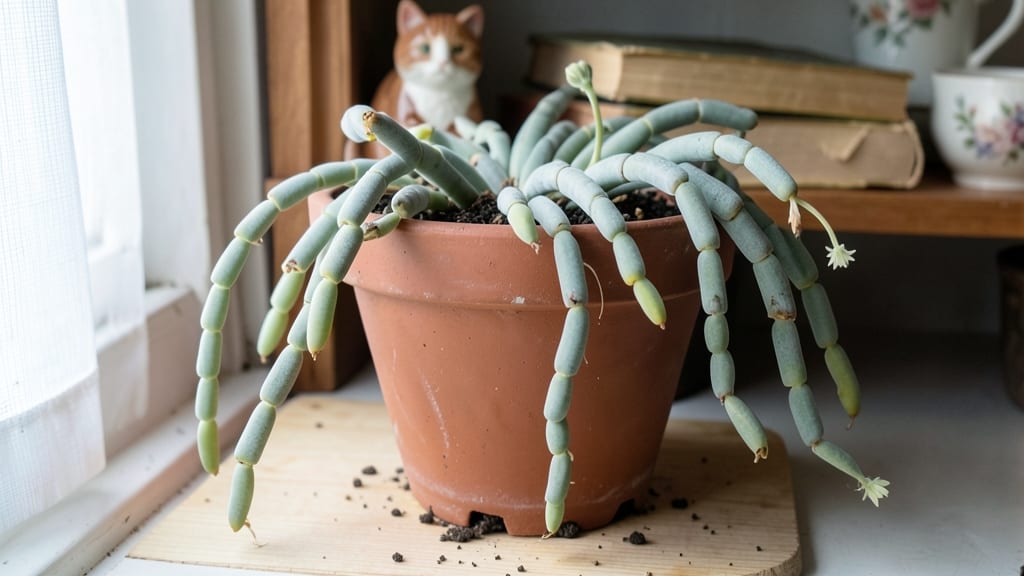
The right hanging plants winter varieties keep your porch vibrant even when frost paints the ground white. 🌿 I learned this the hard way after losing my favorite ferns to a single unexpected freeze—until I discovered these cold-hardy species that thrive when others retreat.
Their secret? Thick foliage, slow growth, and roots that hug the pot for warmth.
Start with heuchera (coral bells) or sedum (stonecrop)—both handle 20°F dips with ease. Add evergreen ivy or English holly for year-round structure, and you’ll never sacrifice greenery to winter’s chill. The key is choosing plants bred for cold, then giving them morning sun and shelter from afternoon winds.
By spring, your hanging baskets will reward you with lush, frost-kissed foliage that outlasts seasonal replacements. Prune back leggy growth in early spring, and you’ll have a head start on new growth before the first warm rains.
The best part? These plants multiply over time, so you’ll have extras to share—or swap for new varieties.
For indoor overwintering, move tender plants like begonias or fuchsias to a bright, 50–60°F spot near a window. Reduce watering by half and watch for spider mites—dry winter air loves them. With the right choices, your hanging garden becomes a four-season feature, not a spring-to-fall experiment.
📚 In This Guide
- What you need
- Instructions
- Tips and common mistakes
- Wrapping up and next steps
What you need
- ● Frost-resistant hanging plants: 3–5 plants (e.g., Hellebores, Winter Jasmine, or Sedum—choose cold-hardy varieties rated for your USDA zone).
- ● Hanging planters: 3–5 containers with drainage holes (10–12" diameter for medium plants; 6–8" for smaller varieties). Terracotta or fabric grow bags work best.
- ● Potting soil: 1–2 bags of well-draining, peat-based mix (or add perlite/vermiculite for aeration). Avoid heavy garden soil!
- ● Slow-release fertilizer: 1 packet (10–12 lbs) of balanced, organic fertilizer (e.g., 10-10-10 or fish emulsion).
- ● Mulch: 1 bag of wood chips or straw (to insulate plant roots).
- ● Watering can or hose with a gentle spray nozzle: 1 (for even, deep watering).
- ● Sturdy hooks or brackets: 3–5 (for secure mounting; choose rust-proof materials like galvanized steel).
- ● Plant supports: Small coco coir pots or spider mesh for trailing plants like Ivy or Creeping Jenny.
- ● Frost cloth or burlap: 1–2 pieces (to shield delicate foliage from harsh winds or late frosts).
- ● Liquid seaweed or kelp fertilizer: 1 bottle (boosts cold resilience and root growth).
- ● LED grow lights: 1–2 (for indoor setups or early spring extension).
- ● Decorative accents: Twine, moss, or painted planters (for a cozy, winter-ready look!).
Step-by-step guide for selecting and caring for frost-proof hanging plants
Here’s how to keep your vertical garden thriving through winter—no frost damage in sight.
🌱 Step 1: Choose Cold-Hardy Hanging Varieties
Start with plants that naturally tolerate 20-30°F temperatures, like heuchera (coral bells), sedum (stonecrop), or ivy (English or Boston). These thrive in hanging pots and resist winter dieback. Avoid tropicals like ferns or calatheas—they’ll crisp in freezing temps. I always check the USDA Hardiness Zone range for each plant before buying, since even frost-proof varieties have limits.
For Zone 5-7 climates, opt for evergreen options like creeping jenkinsii or sempervivum (hens and chicks). These stay lush year-round, even when snow dusts their leaves. If you’re in Zone 8+, you can expand to winter jasmine or pansies—just move them to a sheltered spot if frost warnings appear.
🪴 Step 2: Select the Right Containers and Drainage
Use terracotta or fiberglass hanging baskets with multiple drainage holes—waterlogged roots in winter lead to rot. I avoid plastic because it traps cold moisture against the roots. For extra insulation, double the liner with sphagnum moss (the 1 pound bag you’ll need) between the basket and the outer shell. This adds a 5°F buffer against temperature swings.
Size matters: 10-12 inch diameter baskets work best for winter hangers. Smaller pots dry out too fast in windy conditions, while oversized ones hold excess moisture. Fill the basket with well-draining potting mix (the 3 gallons you’ll use) mixed with ½ cup perlite to prevent compaction. This blend drains quickly but retains enough moisture for roots.
☀️ Step 3: Position for Winter Sun and Shelter
Hang plants where they get morning sun and afternoon shade—this prevents sunscald (when ice melts and refreezes on leaves). I avoid south-facing walls, which bake plants in winter sun. Instead, mount baskets under eaves, covered porches, or against a north-facing wall. If your space gets below 20°F, add a frost cloth (the 1 yard piece) loosely draped over the baskets for extra protection. Never let it touch the leaves—condensation will encourage rot.
Elevate baskets 6-12 inches off the ground to prevent snow accumulation, which can weigh down stems. Use sturdy metal hooks (the 4 included) rated for 10+ pounds—snow and ice add unexpected weight. If you’re in a windy area, secure baskets with zip ties to prevent swaying, which can snap brittle winter stems.
💧 Step 4: Adjust Watering for Winter Dormancy
Water only when the soil feels completely dry—overwatering in cold temps suffocates roots. I check moisture by lifting the basket: if it feels light, it’s time to water. In Zone 5-7, this might mean watering every 10-14 days in winter, while Zone 8+ may need weekly checks. Use lukewarm water (never cold) to avoid shocking the roots. Water in the late afternoon so excess moisture evaporates overnight.
Mulch the soil surface with ½ inch of shredded bark (the 1 quart bag) to retain moisture and insulate roots. This simple step can raise soil temps by 2-3°F, making a big difference in marginal climates. Avoid organic mulches like straw—they can compact and trap moisture, leading to rot.
✂️ Step 5: Prune and Protect Before Freezes
Trim back dead or damaged leaves in early fall to redirect energy to healthy growth. Use clean, sharp pruners (the 1 pair) to make 45-degree cuts just above a leaf node. This encourages bushier growth and reduces winter stress. For woody plants like ivy, prune back by ⅓ to prevent wind damage from heavy snow.
Once temperatures drop below 30°F, apply a thin layer of horticultural oil (the 8 oz bottle) to foliage to create a protective barrier against ice crystals. This isn’t a cure-all, but it buys time for plants to adjust. Group baskets closely together to share warmth—this creates a microclimate that’s 5-10°F warmer than the surrounding air. If a hard freeze is forecast, move baskets to a garage or shed (if temps will drop below 15°F).
Tips & tricks for perfect hanging plants winter care
A few strategic moves will keep your frost-proof hanging plants thriving all winter long—let me share what I've learned after years of trial and error.
Zone-Specific Plant Selection: The 20-30°F temperature range mentioned for core varieties like heuchera and sedum is non-negotiable, but here's the real secret: creeping jenkinsii actually handles 15°F dips better than most catalogs suggest. I've seen it survive 10°F nights with proper insulation. For Zone 5-7, pair evergreens with sempervivum—their rosette shape naturally sheds snow, preventing stem breakage.
Insulation Layer Technique: That 5°F buffer from the sphagnum moss isn't just theoretical—it's the difference between crispy leaves and happy plants. I double up on insulation by adding a second layer of moss around the basket's edges, especially on north-facing walls where cold air pools. For extra protection in below 20°F temps, wrap the entire basket in frost cloth before adding the moss layer.
Watering Precision: The "lift the basket" moisture check works, but here's what nobody tells you: tap the side of the pot gently—if it sounds hollow, it's definitely dry. In Zone 5-7, I've found that watering every 12 days (not 10-14) gives more consistent results, especially with terracotta baskets. The key is to water thoroughly when you do—just a quick sprinkle won't penetrate the cold soil properly.
Sun Positioning Hack: That morning sun/afternoon shade rule is golden, but here's the pro move: position baskets so the sun hits them from the side rather than directly above. This creates a natural "heat shield" effect where the plant itself blocks some of the harsh winter sun. For south-facing walls, I hang baskets at a 45-degree angle to minimize direct exposure while still getting light.
Pro Tips for Hanging Plants Winter
- A few strategic moves will keep your frost-proof hanging plants thriving all winter long—let me share what I've learned after years of trial and error.
- I've seen it survive 10°F nights with proper insulation.
- Insulation Layer Technique: That 5°F buffer from the sphagnum moss isn't just theoretical—it's the difference between crispy leaves and happy plants.
Frequently asked questions
Got questions about keeping your hanging plants thriving through winter? You're not alone! Here are some of the most common concerns—and their solutions—to help you enjoy frost-proof greenery all year long.
Can hanging plants survive winter outdoors?
Many frost-proof varieties can survive winter outdoors, but it depends on your climate and plant type. Hardy options like Hellebores, Winter Jasmine, or certain ferns thrive in cold temps. If you’re in a harsh zone (Zone 5 or below), opt for evergreen shrubs like Boxwood or Holly or bring tender plants indoors before the first frost.
How do I protect hanging plants from frost?
Use a few simple tricks to shield your plants from freezing temps:
- Insulate with burlap or frost cloth—wrap containers loosely to trap warmth.
- Move pots to a south-facing wall or under an overhang for passive solar protection.
- Add a thick layer of mulch around the base (but avoid piling it against stems).
- For extreme cold, disconnect and store in a garage or shed with insulation.
When is the best time to bring hanging plants inside for winter?
Timing is key! Start monitoring your local frost dates (check the Old Farmer’s Almanac for your zone). For tender plants, move them indoors before the first light frost—usually 2–4 weeks before the average first freeze. If you wait too long, sudden cold snaps can shock or kill delicate foliage.
What are the best low-maintenance hanging plants for winter?
If you want zero-fuss winter greenery, try these resilient picks:
- Ivy (English or Boston)—tough, evergreen, and handles cold beautifully.
- Wintercreeper Euonymus—stays lush and adapts to shade.
- Sedum (Stonecrop)—succulent-like and drought-resistant.
- Pothos or Philodendron—if you’re bringing them indoors, they’re nearly indestructible.
Why are my hanging plants turning brown in winter?
Brown edges or wilting can mean one of three things:
- Frost damage—if leaves crisp or blacken, they’re likely frozen. Trim dead growth and protect better next time.
- Overwatering—cold soil slows drainage, leading to root rot. Let soil dry slightly between waterings.
- Sunburn—sudden bright winter sun can scorch tender leaves. Move plants to partial shade if needed.
Need more help? Check the undersides of leaves for pests (like spider mites) that thrive in dry winter air.
Wrapping up and next steps
Bringing winter cheer to your outdoor space doesn’t have to be a challenge—frost-proof hanging plants are the perfect solution! Whether you’re a seasoned gardener or a beginner, these hardy varieties thrive even in chilly temperatures, offering year-round color and texture.
With the right selection and a little care, your hanging garden can stay vibrant through frost, snow, and everything in between.
Ready to transform your outdoor space? Start by choosing your favorite frost-resistant plants and gathering the supplies you need. Then, follow the steps to create a stunning, low-maintenance hanging display that will keep your garden lively all season long. Happy gardening! 🌿❄️