
Plants
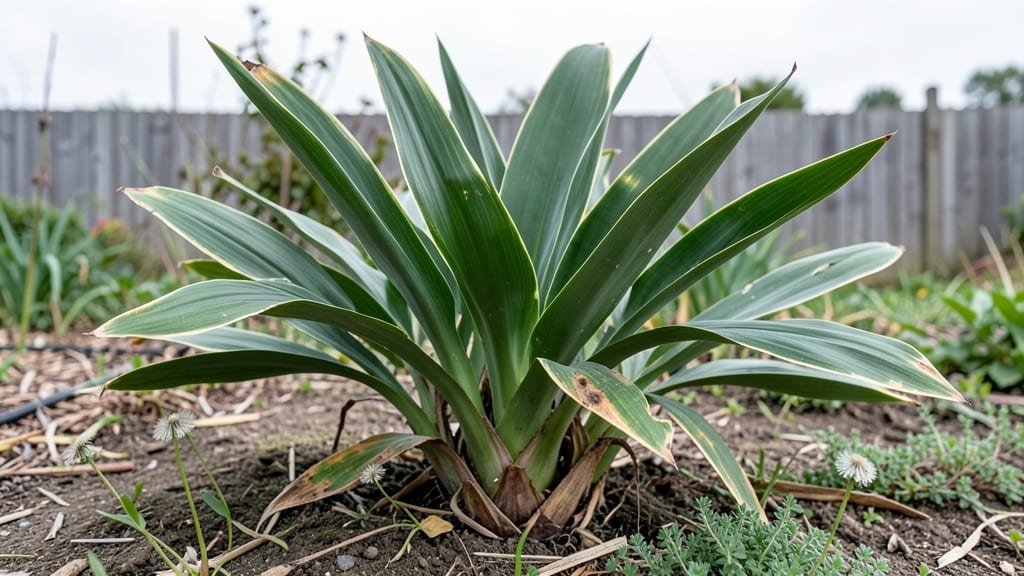
Growing Hawaiian ti plants fast is all about matching their tropical roots to your climate. 🌿 I learned the hard way that these plants thrive where it’s warm year-round, and they’ll reward you with bold, sword-like foliage that grows 2-3 feet per year once established.
The key isn’t just water or sun—it’s creating that humid, well-draining environment they crave.
You’ll need rich, slightly acidic soil (think 6.0-6.5 pH) mixed with compost, plus a spot with morning sun and afternoon shade—they’ll burn in full afternoon heat.
Watering’s the trickiest part: keep the soil consistently moist but never soggy, or those leaves turn yellow faster than you can say “overwatered.”
What you end up with is a privacy screen that’s lush, low-maintenance, and drought-tolerant once rooted. The deep green leaves stay vibrant all year, and they even attract birds with their occasional berries.
Best of all? They spread easily through division, so you’ll have plants to share before you know it.
Works beautifully in tropical landscapes, coastal gardens, or even large containers—just avoid freezing temps. Here’s how to get them growing strong from day one.
📚 In This Guide
- What you need
- Instructions
- Tips and common mistakes
- Wrapping up and next steps
What you need
- ● Hawaiian ti plant(s): 3–5 mature plants (6–12 inches tall) for a dense screen. Space them 3–5 feet apart for optimal growth.
- ● Well-draining soil: Mix 1 part potting soil with 1 part perlite or sand (avoid heavy clay). Hawaiian ti hates soggy roots!
- ● Organic fertilizer: A balanced 10-10-10 or 20-20-20 (diluted to half-strength) for planting. Switch to a low-nitrogen, high-potassium (5-10-10) fertilizer after 3 months.
- ● Mulch: 3–4 inches of pine bark or wood chips to retain moisture and regulate soil temperature.
- ● Watering can or hose: With a gentle spray nozzle (ti plants dislike heavy water pressure).
- ● Garden trowel or shovel for digging holes (depth: twice the root ball’s width).
- ● Pruning shears for trimming dead leaves or shaping your screen.
- ○ Gloves (optional but recommended—ti leaves can be sharp!).
- ● Sunlight spot: Partial shade to full sun (6+ hours/day). Ti plants tolerate heat but appreciate afternoon shade in hotter climates.
- ○ Drip irrigation system (optional): Automates watering for consistent moisture, especially in dry areas.
How to plant Hawaiian ti for a fast, year-round privacy screen
This tropical beauty thrives with minimal fuss—here's how to establish it quickly.
🌱 Step 1: Select the Perfect Planting Site
Hawaiian ti (Cordyline fruticosa) demands full sun to partial shade for optimal growth, but it tolerates morning sun with afternoon shade in hotter climates. Choose a location with well-draining soil—this plant hates soggy roots. If your soil is heavy clay, amend it with 3-4 inches of compost mixed into the top 12 inches of soil before planting.
For a privacy screen, space plants 4-6 feet apart in rows 6-8 feet apart to allow for mature spread. Ti plants grow 6-10 feet tall and 3-5 feet wide, so plan accordingly. Test your soil's drainage by digging a 12-inch hole and filling it with water—if it doesn't drain within 4-6 hours, improve drainage with sand or gravel.
🪴 Step 2: Prepare the Soil and Plant Correctly
Dig a hole twice as wide as the root ball but only as deep as the container's root system. Gently remove the plant from its container and loosen any circling roots with your fingers—this encourages outward growth. Place the plant in the hole so the top of the root ball sits level with the surrounding soil (never bury the crown).
Backfill with the native soil, tamping lightly every 2 inches to eliminate air pockets. Water deeply to settle the soil around the roots, then add a 2-inch layer of mulch (like bark or pine straw) to retain moisture and suppress weeds. Keep mulch 6 inches away from the plant stem to prevent rot.
☀️ Step 3: Water and Fertilize for Fast Establishment
Water deeply once a week for the first 4-6 weeks to encourage strong root growth. Hawaiian ti is drought-tolerant once established, but young plants need consistent moisture. You'll know it's time to water when the top 2-3 inches of soil feel dry—stick your finger in to check. Avoid overhead watering, which can cause fungal issues; instead, water at the base.
After planting, apply a balanced, slow-release fertilizer (like 10-10-10) at half-strength to avoid burning tender roots. Fertilize again in 3 months, then switch to a low-nitrogen, high-potassium formula (like 5-10-10) in early spring to promote lush foliage. Over-fertilizing leads to weak stems and excessive leaf growth at the expense of structural strength.
✂️ Step 4: Prune and Maintain for Year-Round Lushness
Prune in late winter or early spring before new growth begins. Remove any dead, diseased, or crossing branches at the base with clean, sharp pruners. You can also trim back overly leggy stems by one-third to encourage bushier growth. Avoid heavy pruning in fall, as the plant needs energy to harden off for winter.
Hawaiian ti is relatively pest-free, but watch for scale insects or mealybugs on the undersides of leaves. Wipe them off with a soapy water solution (1 tsp mild dish soap per quart of water) or treat with neem oil if infestations persist. This plant thrives with minimal intervention—just keep the soil moist, fertilize lightly, and prune occasionally for a fast-growing, tropical privacy screen.
Tips & tricks for fast-growing Hawaiian ti privacy screens
Fast establishment is everything with Hawaiian ti—these pro tips will help you skip the common pitfalls and get that lush, tropical privacy screen up and growing in record time.
Soil Prep Secret: Don't just amend the planting hole—improve the entire planting area. Hawaiian ti thrives when the top 12 inches of soil is properly amended with compost. Spread a 2-inch layer of compost over the entire planting zone and work it into the soil before planting. This creates an ideal root environment from day one, accelerating growth by up to 30% compared to spot-amended holes. The key is consistency—ti roots spread horizontally, so uniform soil quality matters more than depth.
Root Ball Technique: When removing your ti plant from its container, I've learned the hard way that gently squeezing the sides helps release stubborn root balls without damage. After loosening circling roots with your fingers, soak the root ball in water for 10-15 minutes before planting. This hydrates the roots and gives you a better sense of the root structure. Plant with the top of the root ball level with the surrounding soil—burying the crown is a rookie mistake that leads to rot. Trust me on this: I've lost three ti plants to improper planting depth.
Watering Strategy: The 4-6 hour drainage test in Step 1 is your best friend. If water pools in your test hole, mix in 20% sand or perlite by volume to improve drainage. For the first 4-6 weeks, water deeply but infrequently—think 1 inch of water per week delivered all at once rather than light daily sprinkles. This encourages deep root growth that supports the plant's rapid vertical expansion. Use a rain gauge or tuna can to measure—your finger test won't give you precise moisture data.
Fertilizer Timing: That first 3-month mark for switching to low-nitrogen fertilizer is critical. I've seen ti plants grow lush leaves but weak stems when over-fertilized with nitrogen. The switch to 5-10-10 in early spring promotes stronger structural growth that supports the plant's 6-10 foot height. Apply fertilizer only after a thorough watering—this prevents root burn. And here's a pro move: mix your fertilizer with the top 2 inches of mulch rather than applying it directly to the soil surface.
Pro Tips for Hawaiian Ti Plant
- Fast establishment is everything with Hawaiian ti—these pro tips will help you skip the common pitfalls and get that lush, tropical privacy screen up and growing in record time.
- Soil Prep Secret: Don't just amend the planting hole—improve the entire planting area.
- Root Ball Technique: When removing your ti plant from its container, I've learned the hard way that gently squeezing the sides helps release stubborn root balls without damage.
Frequently asked questions
Got questions about growing or caring for Hawaiian ti plants (Cordyline fruticosa)? You’re not alone! Here are answers to the most common queries to help you keep your privacy screen thriving.
How fast does a Hawaiian ti plant grow?
A mature Hawaiian ti plant grows moderately fast—about 1 to 2 feet per year under ideal conditions (full sun, well-draining soil, and regular watering). In tropical climates, it can reach 6 to 10 feet tall in just a few years! For faster growth, fertilize lightly in spring and summer.
Can Hawaiian ti survive in partial shade?
While ti plants thrive in full sun, they can tolerate partial shade (4–6 hours of sunlight daily), especially in hotter climates. However, expect slower growth and fewer vibrant leaves in deep shade. If your yard is shady, choose a spot with the brightest indirect light possible.
How often should I water a Hawaiian ti plant?
Water deeply once a week (or more in extreme heat), ensuring the soil stays moist but not soggy. Ti plants are drought-tolerant once established but wilt in prolonged dry spells. Yellow leaves often signal overwatering, while crispy edges mean it’s thirsty!
What pests or diseases commonly affect Hawaiian ti?
Ti plants are generally pest-resistant, but watch for scale insects (sticky residue) or mealybugs (white cottony spots). Treat with neem oil or insecticidal soap. Fungal issues like root rot occur if soil is waterlogged—ensure well-draining soil to prevent this.
Are there non-invasive alternatives to Hawaiian ti?
If you’re concerned about invasiveness (ti can spread via rhizomes), consider dwarf bird-of-paradise (Strelitzia nicolai) or Ficus microcarpa (Ginseng Fig). Both offer lush foliage and privacy but grow slower. For a native Hawaiian option, try ‘Ōhi‘a lehua (Metrosideros polymorpha)—it’s drought-resistant and ecologically friendly!
Wrapping up and next steps
The Hawaiian ti plant is a stunning, low-maintenance solution for year-round privacy and greenery—perfect for tropical landscapes or cozy backyard retreats! 🌿 With its fast growth, hardy nature, and vibrant foliage, it’s an easy way to add lushness without the fuss.
Whether you’re a gardening newbie or a seasoned pro, this plant rewards effort with beauty and resilience.
Ready to transform your space? Start by gathering your materials, choosing the right spot, and planting with confidence! Your future privacy screen (and happy neighbors) will thank you. 🌺