Companion Plants
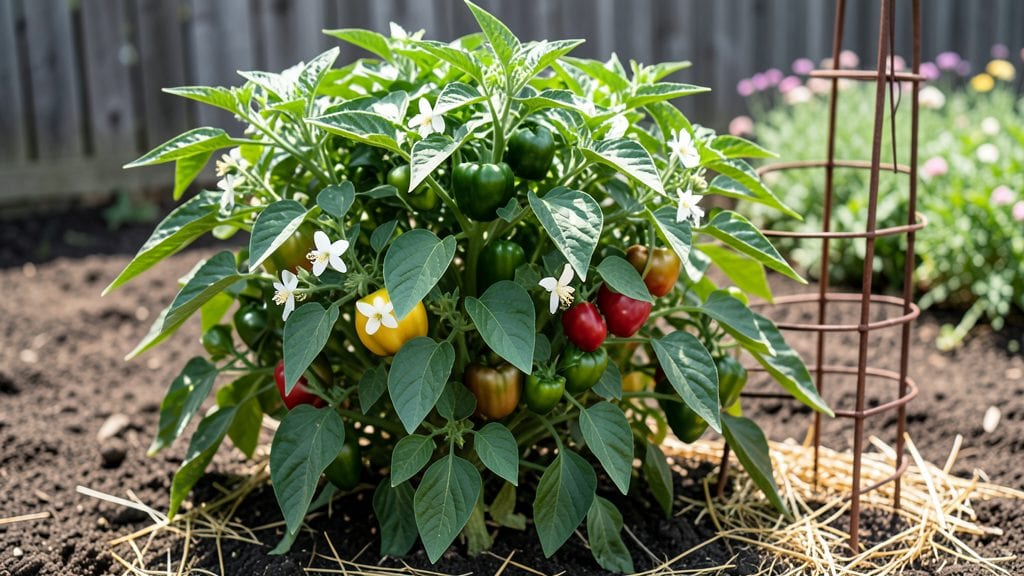
Healthy pepper plants start with the right balance of sun, soil, and space—because nothing beats the satisfaction of a garden that thrives without constant pest battles. 🌱 I’ve grown peppers for years, and the difference between struggling plants and robust, productive bushes comes down to a few key habits that keep them strong from seed to harvest.
The secret isn’t complicated: it’s about mimicking their natural environment while giving them just enough attention to stay ahead of pests.
Peppers want full sun—at least 6-8 hours daily—and soil that drains well but holds moisture. Too much water drowns roots, while too little stresses plants and invites pests like aphids.
I swear by a mix of compost and aged manure for fertility, and I always add a handful of crushed eggshells to deter hungry critters. The payoff? Plants that grow taller, bushier, and more resistant to common problems like blight or spider mites.
By midseason, your peppers will be bursting with color, their glossy leaves brushing off pests before they take hold. The best part? Healthy plants produce more fruit, and the flavor—sweet, rich, and full-bodied—makes every effort worth it.
Whether you’re growing in pots on a balcony or a full garden bed, these principles keep peppers thriving without chemicals.
Fair warning: Overwatering is the #1 mistake, but even beginners can nail this with the right routine. Let’s break down the exact steps—from soil prep to pest prevention—that turn good plants into showstopping, pest-repelling powerhouses.
📚 In This Guide
- What you need
- Instructions
- Tips and common mistakes
- Wrapping up and next steps
What you need
- ● Pepper Seeds or Seedlings: Choose disease-resistant varieties like Jalapeño, Bell, or Cayenne. Start with 4-6 seeds or 2-3 healthy seedlings per plant.
- ● Well-Draining Potting Soil: A 5-gallon bag of high-quality, organic potting mix (e.g., Miracle-Gro Potting Mix or FoxFarm Ocean Forest). Peppers hate soggy roots!
- ● Containers or Garden Bed: Containers: 5-gallon pots (minimum) with drainage holes for each plant.
- ● Garden Bed: A sunny spot with 6+ hours of direct sunlight and loose, fertile soil (amend with compost if needed).
- ● Compost or Organic Fertilizer: A 5-pound bag of worm castings or balanced fertilizer (e.g., 10-10-10 NPK ratio) to boost growth.
- ● Mulch: 2-3 inches of organic mulch (e.g., straw or shredded leaves) to retain moisture and deter weeds.
- ● Watering Can or Hose: With a gentle spray nozzle to avoid damaging leaves.
- ○ Pest-Repellent Companions (Optional but Helpful): Basil, Marigolds, or Onions (plant nearby to deter pests naturally).
- ● Neem Oil Spray (for organic pest control).
- ● Garden Gloves (to protect hands from thorns or soil).
- ● Trowel or Small Shovel (for transplanting seedlings).
- ● Pruning Shears (for trimming dead leaves or shaping plants).
- ○ pH Test Kit (optional but recommended—peppers thrive in 6.0-6.8 pH soil).
- ● Stakes or Cages (for tall varieties like Jalapeños to support growth).
- ● 🌡️ Warmth is Key: Peppers need warm soil (70°F+) to germinate—use a heat mat if starting indoors.
- ● ✨ Sunlight Check: Ensure your spot gets full sun (peppers are sun-worshippers! 🌞).
- ● 💧 Water Wisely: Keep soil consistently moist but not waterlogged (aim for 1 inch per week).
Step-by-Step guide to growing healthy pepper plants
Here's how to nurture strong, productive pepper plants that naturally deter pests and thrive all season.
🌱 Step 1: Start Seeds Indoors with Warmth and Light
Pepper seeds need consistent warmth to germinate—aim for 75-85°F using a seedling heat mat. Fill 4-inch pots with the sterile seed-starting mix and plant 2-3 seeds per pot at a depth of ¼ inch. Cover lightly with more mix and mist until evenly moist.
Place pots under a grow light (14-16 hours daily) or in a sunny window—peppers won’t tolerate cold drafts. Keep soil consistently damp (not soggy) until sprouts appear in 7-14 days. Thin to the strongest seedling per pot once first true leaves emerge.
☀️ Step 2: Harden Off and Transplant After Frost
Two weeks before your last frost date, move seedlings outdoors for 1-2 hours daily, gradually increasing time to full sun exposure. This toughens stems and prevents transplant shock. Choose a location with 6-8 hours of sunlight and well-draining soil enriched with compost. Dig holes twice as wide as the root ball and space plants 18-24 inches apart. Bury slightly deeper than the original pot line—peppers develop strong roots from buried stems.
Water deeply at transplanting to settle soil around roots. Mulch with 2-3 inches of organic mulch to retain moisture and suppress weeds. Avoid fertilizing immediately—new plants need time to adjust before feeding.
💧 Step 3: Water Deeply and Feed Regularly
Pepper plants hate wet feet—water deeply at the base when the top 1-2 inches of soil feel dry. Use a drip irrigation system or water early in the day to prevent fungal diseases. Yellowing leaves? You’re overwatering. Wilting in heat? Water more frequently but deeply.
Feed every 2-3 weeks with balanced fertilizer (10-10-10 or 5-5-5) mixed at half-strength. Stop fertilizing 4-6 weeks before harvest—peppers focus on fruit production, not foliage. Side-dress with compost mid-season for a slow-release nutrient boost.
✂️ Step 4: Prune and Support for Maximum Yield
Remove suckers (side shoots in leaf axils) to direct energy to fruit production. Pinch off flowers on the first 6-8 inches of stem to encourage bushier growth. Use cages or stakes to support tall varieties—peppers get top-heavy with fruit. Prune yellow or diseased leaves immediately to prevent spread.
Harvest peppers when firm and vibrant—green peppers at full size, others when they reach their mature color. The more you pick, the more your plants produce. Leave 1-2 peppers per plant to mature fully if saving seeds.
🌿 Step 5: Protect Naturally from Pests
Healthy pepper plants repel pests, but watch for aphids, spider mites, and hornworms. Spray with neem oil or insecticidal soap at first sign of trouble. Plant basil, marigolds, or onions nearby—their scents deter pests naturally. Rotate crops yearly to prevent soil-borne diseases like early blight or powdery mildew.
At season’s end, compost plant debris (unless diseased) and rotate planting locations. Your peppers will thrive year after year with minimal effort.
Tips & tricks for perfect pepper plant care
Here's what I've learned from years of growing thriving pepper plants—these tricks will help you avoid common pitfalls and keep your garden flourishing.
Seedling Heat Secret: That 75-85°F range in Step 1 isn't just a suggestion—it's crucial for germination. I've seen seeds fail to sprout when temps drop below 70°F, so if your home runs cool, invest in a small seedling heat mat. Place your pots on top of it, and you'll notice sprouts appearing consistently within 7-14 days. For extra insurance, cover the pots with clear plastic wrap to trap warmth and moisture until germination occurs.
Harden Off Gradually: The 1-2 hour outdoor increments in Step 2 might seem tedious, but they're essential. I learned this the hard way when my seedlings wilted dramatically after being moved too quickly to full sun. Start with just 30 minutes on day one, then increase by 30 minutes each subsequent day. This gradual process toughens stems and prevents transplant shock that can set your plants back weeks.
Watering Wisdom: Pepper plants truly hate wet feet, so pay attention to that "top 1-2 inches of soil" guideline in Step 3. I've found that using a moisture meter helps avoid overwatering—aim for soil that's moist but not soggy. In hot weather, water in the early morning to prevent fungal diseases from setting in during humid evenings. The key is deep watering that encourages strong root development rather than frequent shallow watering that promotes weak, shallow roots.
Pruning Payoff: Don't skip the pruning in Step 4—it's where the magic happens for maximum yield. When you remove those suckers (the small shoots in leaf axils), you're redirecting the plant's energy from making more foliage to producing bigger, tastier peppers. I also recommend pinching off the first few flowers that appear on the main stem. This might seem counterintuitive, but it encourages bushier growth that will support more fruit later in the season.
Pro Tips for Healthy Pepper Plants
- Here's what I've learned from years of growing thriving pepper plants—these tricks will help you avoid common pitfalls and keep your garden flourishing.
- Seedling Heat Secret: That 75-85°F range in Step 1 isn't just a suggestion—it's crucial for germination.
- Harden Off Gradually: The 1-2 hour outdoor increments in Step 2 might seem tedious, but they're essential.
Frequently asked questions
Got questions about keeping your pepper plants thriving and pest-free?
Here are answers to the most common queries—from timing tips to troubleshooting tricks—so you can grow healthy, productive peppers all season long!
How often should I water pepper plants to keep them healthy?
Water pepper plants deeply 1–1.5 inches per week, especially during flowering and fruiting. Let the top inch of soil dry out between waterings to prevent root rot. Morning watering is best—it reduces fungal risks and keeps leaves dry for pest control. Mulch around the base to retain moisture!
When is the best time to plant peppers for maximum yield?
Start seeds indoors 8–10 weeks before your last frost date (or buy transplants). Move them outdoors after soil temps hit 60°F+—peppers hate cold! For warm climates, plant in early spring; in cooler zones, wait until late May or June to avoid stunted growth.
What natural pest repellents work best for pepper plants?
Plant companion plants like basil, marigolds, or onions nearby—they confuse pests! For immediate relief, spray neem oil or a soapy water mix (1 tbsp mild soap per quart of water) on affected leaves. Handpick aphids or hornworms early to prevent damage.
Why are my pepper leaves turning yellow? What’s wrong?
Yellow leaves usually signal overwatering, nutrient deficiency, or disease. Check soil moisture first—peppers prefer well-draining soil. If yellowing spreads, test for nitrogen deficiency (add compost) or fungal issues (remove infected leaves, improve airflow). Wilting + yellow? Could be blight—prune and space plants farther apart.
Can I grow peppers in containers? What’s the ideal setup?
Yes! Use 5-gallon+ containers with drainage holes and lightweight potting mix. Place pots in full sun (6+ hours/day) and fertilize every 2–3 weeks with a balanced 10-10-10 or tomato/vegetable feed. Dwarf varieties (like ‘Jalapeño M’ or ‘Mini Bell’) thrive in pots—just keep them well-watered!
Wrapping up and next steps
Growing healthy pepper plants isn’t just about reaping a bountiful harvest—it’s about creating a thriving, pest-resistant garden that works with nature. 🌱 By choosing the right companion plants, like basil, marigolds, or onions, you’ll not only boost your peppers’ growth but also reduce the need for harsh chemicals.
Plus, you’ll enjoy a garden that’s as beautiful as it is productive!
Ready to take the next step? Start by planting a few companion plants this season and observe how your pepper patch transforms. Happy gardening—your future harvest (and happy pollinators!) will thank you. 🌿