Diseases
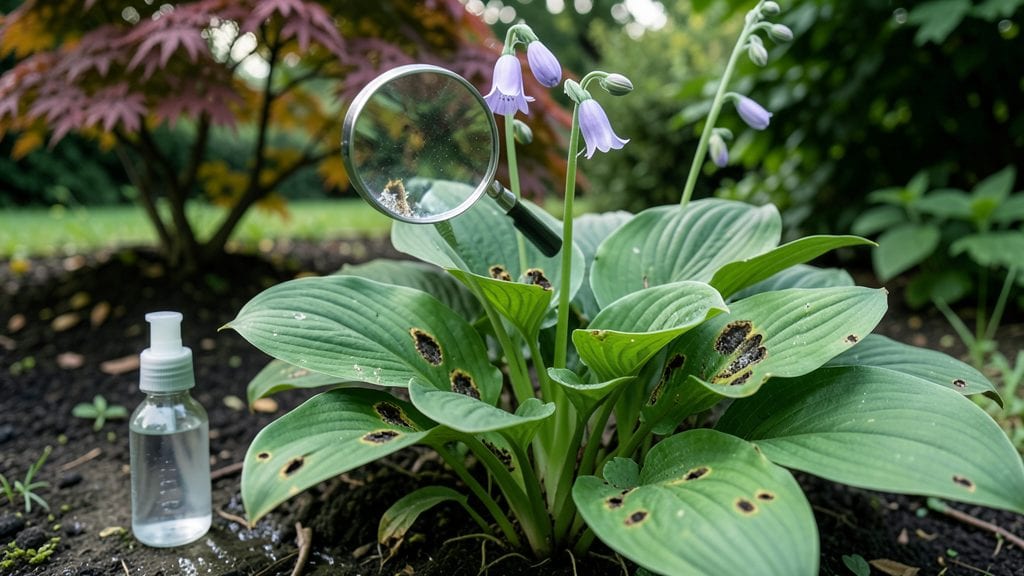
Hosta plants can turn into fungal battlegrounds if you don’t spot these 12 diseases early. 🌿 I’ve watched my prized hostas go from lush to limp overnight—until I learned to recognize the telltale signs of powdery mildew, leaf spot, and crown rot.
The key isn’t just treating symptoms; it’s catching them before they spread.
Most fungal problems start with too much moisture or poor airflow—common mistakes even experienced gardeners make. I’ll show you how to adjust watering, prune for circulation, and choose resistant varieties to keep your hostas thriving. No more guessing whether those brown spots are harmless or a full-blown infection.
By the end, you’ll confidently diagnose issues and pick the right fix—from simple baking soda sprays to targeted fungicides—without losing another leaf. Your hostas will stay vibrant, healthy, and free from the most stubborn fungal foes. Let’s get your plants back to their best.
This works for both in-ground hostas and container-grown varieties, no matter your climate. The same principles apply whether you’re dealing with a single plant or a whole garden bed. Here’s how to stop the spread before it starts.
Root Causes of Hosta Troubles
Hostas are prized for their lush foliage and hardy nature, but when diseases strike, understanding why they happen is half the battle. Below, we break down the most common culprits behind hosta plant diseases—from fungal invaders to environmental stressors—and explain the science behind their attacks.
Fungal pathogens like Botrytis blight and Rhizoctonia thrive in excessive moisture, especially when humidity lingers on leaves or soil stays soggy. Here’s why:
- Poor Drainage 💦: Hostas need well-draining soil. If water pools around roots, it creates the perfect breeding ground for fungi.
Clay-heavy or compacted soil traps moisture, suffocating roots and inviting diseases like root rot. - Fungal Spores Love Dampness 🍄: Many hosta diseases (e.g., Alternaria leaf spot) spread via airborne spores that germinate when leaves stay wet for 12+ hours.
Overhead watering or dense foliage that doesn’t dry quickly accelerates this. - Seasonal Risks ❄️: Cool, wet springs and falls (50–70°F) are peak fungal activity times. If your hostas are planted in shady, low-lying areas where air doesn’t circulate, spores spread unchecked.
Actionable Fix: Space plants for airflow, avoid evening watering, and amend soil with compost to improve drainage.
Hostas aren’t just attacked by soil-borne pathogens—they’re also vulnerable to fungal spores floating in the environment. Here’s how it happens:
- Wind and Rain Spread Spores 🌪️: Diseases like powdery mildew (Erysiphe) hitch rides on wind currents or splashing rain, landing on hosta leaves where they germinate.
Once established, they create white, powdery patches that weaken the plant. - Old Debris as a Reservoir 🪵: Leaving infected leaves or mulch near hostas keeps fungal spores alive year-round.
For example, Sclerotinia rot overwinters in plant debris, re-emerging when conditions are favorable. - Contaminated Tools or Soil 🔪: Pruners, gloves, or even compost can transfer spores from one plant to another. If you’ve had infected hostas before, spores may still lurk in the soil.
Actionable Fix: Clean tools with 70% isopropyl alcohol, remove debris in fall, and rotate planting locations to break the disease cycle.
A hosta under stress is an open invitation for pathogens. Common stressors include:
- Incorrect Soil pH 📉: Hostas prefer slightly acidic to neutral soil (6.0–7.5).
Too alkaline (high pH) or acidic (low pH) soil weakens roots, making them susceptible to root rot and bacterial leaf blight. - Overcrowding 🏡: Tightly packed hostas create a microclimate with poor airflow and high humidity—ideal for fungal growth.
Crowded plants also compete for nutrients, stunting growth and lowering disease resistance. - Nutrient Deficiencies 💀: Lack of potassium (K) or phosphorus (P) weakens cell walls, making hostas more vulnerable to infections. Yellowing leaves (chlorosis) or stunted growth are red flags.
Actionable Fix: Test soil pH, space plants 18–24 inches apart, and fertilize with a balanced 10-10-10 formula in early spring.
Some hosta diseases don’t act alone—they’re hitchhikers on pests like slugs, snails, or aphids. Here’s how:
- Slugs and Snails 🐌: These mollusks don’t just eat leaves—they carry fungal spores (e.g., Phytophthora) on their slime trails, depositing them directly onto healthy tissue.
Their feeding wounds also create entry points for infections. - Aphids and Spider Mites 🕷️: These sap-sucking pests weaken hostas by draining nutrients, making them prime targets for viral or bacterial infections.
Their honeydew secretions can also foster sooty mold growth. - Nematodes in the Soil 🐛: Microscopic root-knot nematodes damage roots, creating openings for fungal invaders like Fusarium. Infested soil may look normal but harbor these hidden threats.
Actionable Fix: Use copper barriers for slugs, introduce beneficial nematodes (Steinernema), and spray neem oil to deter pests before they spread disease.
Hostas are adaptable, but sudden shifts in temperature or humidity can trigger disease outbreaks:
- Rapid Temperature Drops ❄️: When nights dip below 50°F but days stay warm, hostas struggle to acclimate, leaving them vulnerable to cold-sensitive fungi like Rhizoctonia. - High Humidity Without Airflow 💨: Stagnant, humid air (especially in closed gardens or greenhouses) slows evaporation, keeping leaves damp longer.
This is a golden ticket for powdery mildew and downy mildew. - Frost Damage ❄️: Frost can crack leaf tissue, providing entry points for bacterial leaf spot (Xanthomonas). Even light frost stress weakens defenses.
Actionable Fix: Mulch with straw or wood chips to moderate soil temps, and prune for airflow in dense plantings. Avoid watering at dawn or dusk.
Quick Fixes for Common Hosta Ailments
Now that you’ve spotted the trouble, it’s time to act! Hosta diseases don’t have to spell the end of your lush foliage—with the right moves, you can nurse your plants back to health or even prevent future outbreaks.
Below, we’ve mapped out practical solutions for each cause, from fungal infections to environmental stressors, plus prevention tips to keep your hostas thriving long-term.
🔥 Cause: Overhead watering, poor airflow, or damp soil. ✅ Fix:
- Prune and remove infected leaves immediately with clean, sterilized pruners (dip in rubbing alcohol between cuts). 🔪
- Apply a fungicide—opt for neem oil (natural) or copper-based sprays (like Bordeaux mixture) for severe cases. Follow label instructions for coverage.
- Improve airflow by spacing plants 12–18 inches apart and thinning dense foliage.
💡 Prevention:
- Water early in the day (before 10 AM) so leaves dry quickly.
- Avoid mulching too close to the crown—keep it 2–3 inches away.
- Choose resistant varieties like ‘Halcyon’ or ‘Francee’ if fungal issues are recurrent.
🍳 Cause: Chewed leaves, slimy trails, or sticky residue (honeydew). ✅ Fix:
- Manual removal: Handpick slugs/snails at night (they’re most active) and drop them in soapy water. 🌙
- Barriers: Surround plants with copper tape (creates a mild electric shock slugs avoid) or crushed eggshells.
- Traps: Use beer traps (bury a shallow dish filled with beer) or diatomaceous earth (food-grade only) around the base.
- Soap spray: Mix 1 tbsp mild dish soap + 1 quart water to blast aphids off leaves.
💡 Prevention:
- Encourage predators like birds, toads, or ladybugs with a small pond or native plants.
- Remove debris where pests hide (e.g., old leaves, boards).
- Plant pest-repelling companions like chives, garlic, or marigolds nearby.
👨🍳 Cause: Sudden exposure to harsh sunlight after shade acclimation. ✅ Fix:
- Move hostas to a spot with dappled shade (filter sun through sheer curtains or a tree canopy).
- Provide temporary shade with a lightweight fabric row cover if relocating isn’t an option.
- Water deeply to help stressed plants recover (1–2 inches per week).
💡 Prevention:
- Acclimate gradually if moving hostas to a sunnier spot—start with a few hours of sun daily and increase slowly.
- Mulch heavily (3–4 inches) to regulate soil temperature.
- Choose shade-tolerant varieties like ‘Blue Angel’ or ‘Guacamole’ for low-light areas.
🥘 Cause: Yellowing leaves, mushy stems, or wilting despite wet soil. ✅ Fix:
- Check drainage: Amend heavy clay soil with compost or perlite to improve aeration.
- Adjust watering: Let the top 1–2 inches of soil dry out between waterings. Stick your finger in—if it’s damp, wait!
- Repot if needed: If in containers, ensure pots have drainage holes and use a well-draining mix (50% potting soil, 30% perlite, 20% compost).
💡 Prevention:
- Test your soil with a moisture meter or DIY stick to avoid guesswork.
- Group hostas with other moisture-loving plants (like ferns or astilbes) to create a microclimate.
- Avoid soggy spots by planting on a slight slope or raised bed.
🎯 Cause: Lack of nitrogen, magnesium, or iron in the soil. ✅ Fix:
- Soil test first! Use a home test kit ($10–$20) to identify specific deficiencies.
- Yellow lower leaves? → Nitrogen (use a balanced fertilizer like 10-10-10 or composted manure).
- Yellow veins? → Magnesium (sprinkle Epsom salt—1 tbsp per gallon of water—every 4–6 weeks).
- Pale green leaves? → Iron (apply chelated iron supplement or use rainwater, which is often more acidic).
- Top-dress with compost annually to replenish organic matter.
💡 Prevention:
- Mulch with compost every spring to feed soil slowly.
- Rotate crops if growing hostas in containers (don’t replant in the same soil without renewal).
- Use slow-release fertilizers (like osmocote pellets) for steady nutrition.
✨ Pro Tip: Always sterilize tools between plants to prevent cross-contamination. Wipe pruners with 70% isopropyl alcohol or a bleach solution (1 part bleach to 9 parts water).
With these fixes, your hostas should bounce back in 2–4 weeks—or better yet, stay disease-free all season! 🌿💚
Frequently asked questions about hosta plant diseases
What are the first signs my hosta might have a fungal disease?
Watch for white powdery coatings (powdery mildew), dark brown/black spots with yellow halos (leaf spot), or soft, mushy stems (crown rot). These appear on leaves first, often after prolonged dampness or poor airflow. Act quickly—remove infected foliage immediately and improve circulation.
Can I save a hosta plant already showing severe disease symptoms?
It depends! For leaf spots or mildew, prune affected areas and treat with fungicide (neem oil or copper spray). If the crown is rotting, dig up the plant, trim healthy roots, and replant in fresh, sterile soil. Severe cases may need removal to prevent spread—don’t risk contaminating nearby plants.
How do I prevent hosta diseases before they start?
Focus on three key habits: water at soil level (never overhead), space plants 18–24 inches apart for airflow, and mulch 2–3 inches away from crowns. Choose disease-resistant varieties like ‘Patriot’ or ‘June’, and sterilize tools between cuts to avoid spreading spores.
Are there organic treatments for hosta fungal issues?
Yes! Mix 1 tbsp baking soda + 1 tsp dish soap + 1 gallon water for a mild fungicide. Spray on leaves every 7–10 days during humid weather. For stubborn cases, try compost tea (rich in beneficial microbes) or potassium bicarbonate (1–2 tbsp per gallon). Always test on a small area first.
Why do some hosta varieties get sick more often than others?
Genetics play a role—some varieties (like ‘Blue Angel’) have thicker leaves that resist fungal spores better. Others, like ‘Halcyon’, are bred for disease resistance. Environmental factors matter too: tightly packed foliage or shady, damp spots create perfect conditions for pathogens. Choose varieties suited to your climate and planting conditions.