
Diseases
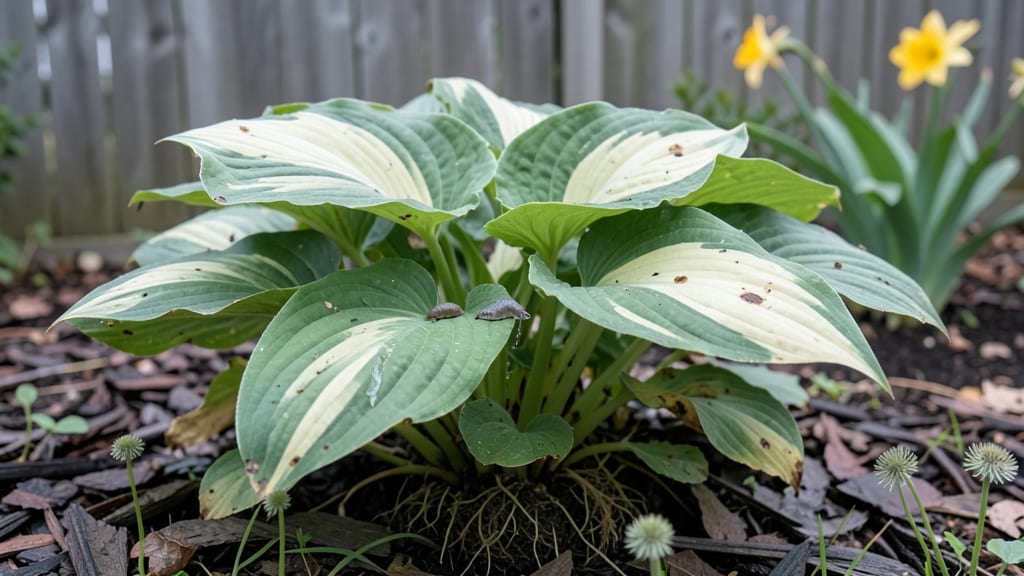
Hosta plants are the unsung heroes of shady gardens—until pests and diseases turn their lush foliage into a chewed-up mess. 🌿 I’ve watched slugs turn my prized hostas into lace in a single night, and fungal spots spread faster than I could say "mulch."
The good news? You can spot and stop these threats before they ruin your plants.
Most problems start with moisture—too much water or damp shade creates the perfect party for slugs, snails, and fungal infections. Aphids and spider mites love hostas too, but they’re easier to catch early.
The key is checking leaves regularly (yes, even the undersides) and acting fast when you see holes, spots, or sticky residue.
By the end of this guide, you’ll know exactly what to look for—from the telltale slime trails of slugs to the powdery mildew that coats leaves like flour.
You’ll also learn fast fixes like beer traps, neem oil sprays, and proper spacing to keep air flowing. Your hostas will stay thick, vibrant, and pest-free all season.
Whether you’re dealing with a single chewed leaf or a full-blown outbreak, these strategies work for backyard gardens, containers, and even community plots. Let’s get those hostas back to their best—before the slugs throw another party.
Root Causes Of Hosta Problems
Hostas are prized for their lush foliage and low-maintenance appeal, but pests and diseases thrive in the same conditions that make them so popular—moist, shady environments. Understanding the why behind these issues is the first step to preventing them.
Below, we break down the key factors that create the perfect storm for hosta troubles.
Hostas love moisture, but too much water—especially when drainage is lacking—turns their roots into a buffet for fungal pathogens and softens plant tissue, inviting pests like slugs and snails.
- Fungal Diseases (e.g., Leaf Spot, Crown Rot): Excess moisture creates a damp, humid microclimate that fungal spores adore.
Poor drainage keeps roots waterlogged, weakening the plant’s defenses. Fungi like Alternaria and Rhizoctonia exploit this by thriving in stagnant water, leading to brown, mushy leaves or stems. - Actionable Fix: Amend soil with compost or perlite to improve aeration. Elevate hostas in containers if your garden holds water.
- Slug & Snail Attacks: Overwatered soil stays soft and inviting for these pests. They target stressed plants first, feasting on tender new growth.
- Actionable Fix: Water deeply but less frequently (early morning is best). Use organic slug bait or copper barriers around plants.
Hostas thrive in shade, but dense foliage and lack of airflow create a perfect hiding spot for pests and pathogens. Without sunlight, leaves stay damp longer, slowing evaporation and prolonging moisture exposure.
- Fungal Infections (e.g., Powdery Mildew, Rust): Powdery mildew (Erysiphe spp.) thrives in shaded, humid conditions, forming white, powdery patches on leaves. Rust fungi (Puccinia spp.) also exploit shade, causing orange pustules that weaken the plant. - Actionable Fix: Space hostas to allow airflow.
Prune surrounding plants to let sunlight filter through. Avoid overhead watering.
- Aphids & Spider Mites: Shade reduces natural predators (like ladybugs) while keeping humidity high—ideal for aphids to cluster and spider mites to spin webs. Both suck plant sap, causing stunted growth or yellowing leaves. - Actionable Fix: Introduce beneficial insects (lacewings, predatory mites).
Blast aphids off with a strong water spray to disrupt their colonies.
Hostas in nutrient-poor or compacted soil become weak targets. Pests and diseases zero in on stressed plants because their weakened immune responses can’t fight off invaders.
- Nematodes (Microscopic Worms): These soil-dwelling pests thrive in compacted, low-organic-matter soil. They attack roots, causing stunted growth, yellowing, and wilting—often mistaken for underwatering.
- Actionable Fix: Test soil pH (ideal: 6.5–7.5) and amend with compost or aged manure. Rotate hosta locations every few years to break nematode cycles.
- Bacterial Leaf Blight: Poor soil health (especially low nitrogen) makes hostas susceptible to Xanthomonas bacteria, which causes dark, water-soaked spots on leaves. Stress from nutrient deficiency opens doors for bacterial entry.
- Actionable Fix: Fertilize with balanced, slow-release fertilizer in early spring. Remove infected leaves immediately to prevent spread.
Hostas are resilient, but sudden temperature swings or prolonged heat/wetness can throw their defenses off balance. Pests and diseases often strike when plants are adjusting to new conditions.
- Late-Spring Slug Outbreaks: After winter, slugs emerge as hostas flush with fresh growth. The contrast between cold soil and warm air creates ideal hatching conditions for these pests.
- Actionable Fix: Apply iron phosphate baits in early spring before slugs become active. Use diatomaceous earth as a natural barrier.
- Heat Stress & Sun Scorch: While hostas tolerate shade, sudden heatwaves can cause leaf burn, making them vulnerable to secondary infections like bacterial soft rot.
- Actionable Fix: Mulch heavily to retain moisture. Gradually acclimate hostas to more sunlight if relocating them.
Pro Tip: 💡 Most hosta problems start with one of these three factors: too much moisture, poor airflow, or nutrient stress. Addressing these root causes often prevents 80% of pest and disease issues before they start!
Fix Hosta Problems Fast
Now that you know what’s attacking your hostas, it’s time to take action! Below, we’ve mapped out practical, step-by-step solutions for each pest and disease, plus prevention tips to keep your plants thriving.
Whether it’s slugs munching leaves or fungal spots creeping in, these fixes will get your hostas back on track—without harsh chemicals (unless absolutely necessary).
Fix: Trap, Barrier, or Lure Them Away
- 🔥 Beer Trap Method 🍺 Bury a shallow dish (like a yogurt container) filled with beer near hostas. The yeast attracts slugs, and they drown. Refresh every 2–3 days.
- 👨🍳 Copper Barrier ⚡ Place copper tape (available at garden centers) around pots or garden beds. Slugs get a mild electric shock and avoid crossing.
- 🥘 Diatomaceous Earth (DE) 🌡️ Sprinkle food-grade DE around plants (but not directly on leaves). It dehydrates slugs—reapply after rain.
- 🎯 Handpick at Night 🌙 Use a flashlight after dark when slugs are most active. Drop them in soapy water.
💡 Prevention Tip:
- Mulch with sharp materials (like crushed eggshells or gravel) to deter slugs from crawling up.
- Water in the morning so slugs hide during the day (when you can spot them).
Fix: Blast, Soap, or Introduce Predators
- 🔥 Strong Water Spray 💦 Blast aphids off leaves with a hose on a gentle setting (early morning works best). Repeat every 2–3 days.
- 👨🍳 Insecticidal Soap 🧼 Mix 1 tbsp mild liquid soap + 1 quart water in a spray bottle. Test on a small leaf first—spray directly on pests (avoid hot sun).
- 🥘 Neem Oil Spray 🌿 Mix 1 tsp neem oil + 1 tsp dish soap + 1 quart water. Spray undersides of leaves where mites hide. Reapply weekly.
- 🎯 Beneficial Insects 🐞 Release ladybugs or lacewings (available at garden stores). They eat aphids on contact—no chemicals needed!
💡 Prevention Tip:
- Encourage natural predators by planting dill, fennel, or marigolds nearby—they attract ladybugs.
- Avoid over-fertilizing (especially nitrogen), which attracts aphids.
Fix: Prune, Spray, and Improve Airflow
- 🔥 Remove Infected Leaves ✂️ Snip off yellow/brown spots with clean scissors. Dispose of them in the trash (not compost)—don’t let spores spread!
- 👨🍳 Baking Soda Spray 🧂 Mix 1 tsp baking soda + 1 quart water + a drop of dish soap. Spray every 7–10 days to prevent mildew.
- 🥘 Copper Fungicide 🛡️ Use organic copper fungicide (like Bordeaux mixture) if spots persist. Follow label instructions—apply in dry weather.
- 🎯 Improve Circulation 🌬️ Space hostas 12–18 inches apart and prune crowded foliage to reduce humidity (fungi love damp, stagnant air).
💡 Prevention Tip:
- Water at the base (not overhead) to keep leaves dry.
- Avoid overhead sprinklers in the evening—wet leaves overnight = fungal buffet.
Fix: Trap, Handpick, or Use Milky Spore
- 🔥 Handpick & Drop 🪰 Fill a bucket with soapy water and shake beetles off leaves into it. Do this early morning when they’re sluggish.
- 👨🍳 Milky Spore Treatment 🌱 Apply milky spore powder (a natural bacteria) to soil—it kills beetle grubs before they emerge. Takes 2–3 years to fully work.
- 🥘 Kaolin Clay Spray 🏺 Mix kaolin clay (Surround WP) with water and spray on leaves. It creates a barrier beetles avoid.
- 🎯 Pheromone Traps 🕷️ Hang Japanese beetle traps (but place them far from hostas—they can attract more beetles if too close).
💡 Prevention Tip:
- Plant trap crops like roses or grapes away from hostas to lure beetles away.
- Mulch heavily—beetles prefer bare soil.
Fix: Drain, Sterilize, and Revive
- 🔥 Improve Drainage 💧 If soil stays soggy, amend with compost or sand to loosen it. Raise beds if needed—hostas hate wet feet.
- 👨🍳 Sterilize Tools & Soil 🧪 Clean pruners with rubbing alcohol between cuts. Replace contaminated mulch with fresh, sterile material.
- 🥘 Fungicide Treatment 🛡️ Use mycorrhizal fungi (like MycoApply) to boost root health and outcompete pathogens.
- 🎯 Divide & Revive 🌱 Dig up affected plants, trim rotted roots, and replant in fresh, well-draining soil.
💡 Prevention Tip:
- Never overwater—hostas prefer moist (not soggy) soil.
- Plant in raised beds if your yard has heavy clay.
- 💡 Mulch Right 🌿 Use 3–4 inches of shredded bark or straw to suppress weeds (which harbor pests) and retain moisture.
- 🔥 Rotate Treatments ⏳ Pests/diseases build resistance—switch methods every few weeks (e.g., soap one week, neem the next).
- 🌡️ Monitor Regularly 👀 Check undersides of leaves and new growth weekly for early signs of trouble.
🚀 Pro Tip: Keep a garden journal! Note what worked (or didn’t) each season—your hostas will thank you with bigger, healthier leaves next year. 🌿✨
Frequently asked questions
Why do my hosta leaves develop brown spots even with proper watering?
Those spots are likely fungal leaf spot or bacterial blight, common in shady, humid conditions. Fungi like Alternaria thrive when leaves stay wet too long. Try spacing plants for airflow, watering at the base, and removing infected leaves immediately. Copper fungicide can help if spots spread.
How can I tell if my hostas have aphids or spider mites?
Aphids cluster on new growth and leave sticky residue (like honeydew), while spider mites create fine webbing on leaf undersides. Check undersides with a magnifying glass—aphids are green/black, mites are tiny red dots. Blast aphids with water; use neem oil for mites.
Is it safe to use chemical pesticides on hostas?
Chemicals like neonicotinoids can harm beneficial insects and leave residues. For hostas, start with organic fixes: insecticidal soap, neem oil, or milky spore for beetles. If pests persist, use pyrethrin-based sprays (like pyrethrum) sparingly—always follow label instructions.
Why do slugs target my hostas more than other plants?
Hostas are slug magnets because their soft, tender leaves are easy to chew, and slugs love the moist, shady conditions hostas thrive in. Break the cycle by watering deeply but less often, using copper barriers, or handpicking at night with a flashlight.
Can I save a hosta with root rot?
Early-stage rot might be reversible! Dig up the plant, trim mushy, black roots with sterilized shears, and replant in well-draining soil with added compost. Avoid overwatering and consider raised beds if your yard stays soggy. Severe rot may require replacing the plant.