Plants
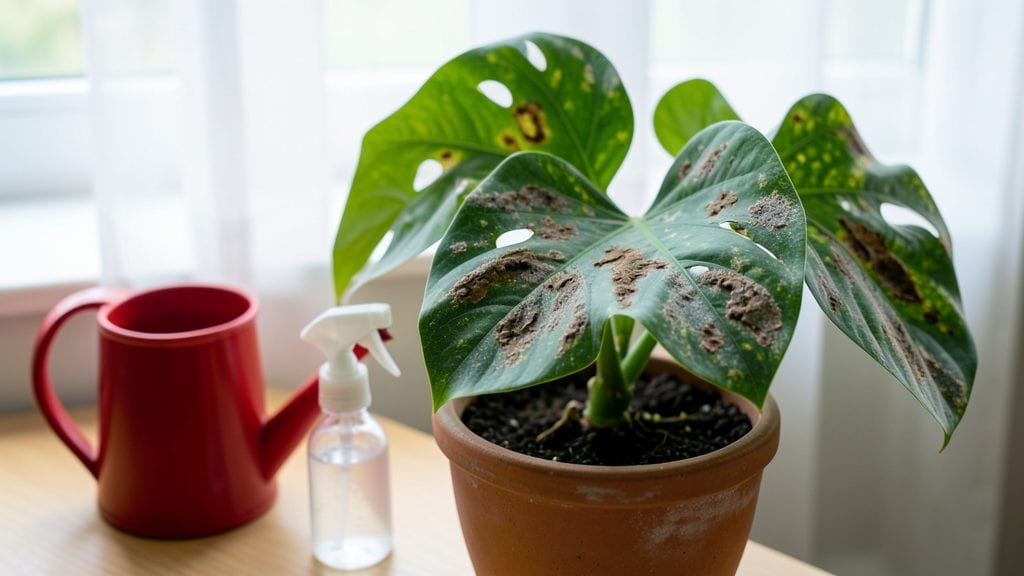
That fuzzy black creep on your pothos might not just be dirt—it could be a house plant fungus wreaking havoc. That’s house plant fungus—and ignoring it means losing your plants faster than you can say "overwatered."
I’ve nursed back enough ferns and philodendrons from this sneaky problem to know the exact signs to watch for and what actually works to stop it.
The culprit is almost always too much water or stagnant air, especially in those cozy corners where light barely reaches. You’ll spot it as powdery mildew (white fuzz), black sooty mold, or sudden leaf rot.
The good news? Catching it early means you can save your plants with just a few targeted cuts and a spray bottle of diluted hydrogen peroxide—no harsh chemicals needed.
By the time you’re done, your plants will bounce back with fresh, clean growth, and you’ll spot fungus the second it appears. The key is acting fast—once it spreads to the soil, you’re looking at a full reset.
I’ll show you exactly which leaves to trim and how to adjust your watering schedule so this never happens again.
Works for every common houseplant from snake plants to maidenhair ferns. Let’s get those leaves looking healthy again—no more guessing what’s wrong or how to fix it.
Root Causes Of Plant Fungus
Fungal infections in houseplants aren’t random—they thrive when specific conditions align. Understanding these triggers helps you prevent outbreaks before they start. Let’s break down the top reasons why your green friends develop fungal issues, from overwatering to poor airflow.
Fungi love moisture, and excess water creates the perfect breeding ground. When soil stays soggy for too long, fungal spores—like those from Phytophthora or Pythium—germinate and attack roots.
Why it happens:
- Waterlogged soil cuts off oxygen, weakening roots and inviting fungal growth.
- Poor drainage (no holes in pots, compacted soil) traps moisture at the roots.
- Overzealous watering (especially with cold water) stresses plants, making them vulnerable.
Actionable fix: Let the top 1–2 inches of soil dry between waterings, and use pots with drainage holes.
Humidity isn’t the enemy—stagnant, humid air is. Fungi like Botrytis (gray mold) and Fusarium spread rapidly in still, damp environments, especially in bathrooms or kitchens.
Why it happens:
- No airflow (e.g., crowded plants, closed rooms) lets spores linger.
- Condensation on leaves (from misting or hot/cold temperature swings) creates a fungal buffet.
- Poor ventilation in greenhouses or terrariums can accelerate outbreaks.
Actionable fix: Space plants apart, use a fan for gentle airflow, and avoid misting leaves in humid climates.
Fungal spores hide in old potting mix, gardening tools, or even new plants. If you reuse soil or tools without sterilizing them, you’re basically inviting a fungal party.
Why it happens:
- Infected soil (from previous plants or outdoor sources) carries dormant spores.
- Unclean pruners/scissors transfer fungi between cuts.
- New plants with hidden issues (like root rot) introduce pathogens.
Actionable fix: Sterilize tools with rubbing alcohol, repot with fresh, sterile mix, and quarantine new plants for 2 weeks.
Aphids, spider mites, or even physical damage (like broken leaves) create entry points for fungi. Weakened plants can’t fight off infections as effectively.
Why it happens:
- Pests (like thrips) leave wounds that fungi exploit.
- Transplant shock or sudden temperature changes stress plants.
- Over-fertilizing burns roots, making them susceptible.
Actionable fix: Inspect plants regularly for pests, prune damaged areas immediately, and avoid over-fertilizing.
Fungi thrive in warmth and darkness—think of a damp basement or a crowded closet. Without light, plants can’t photosynthesize, weakening their defenses.
Why it happens:
- Low light reduces plant resilience, making them easier targets.
- High nighttime temps (like near heating vents) encourage fungal growth.
- Closed terrariums trap humidity and heat, speeding up infections.
Actionable fix: Place plants in bright, indirect light and avoid placing them near heat sources.
Key Takeaway: Fungal infections are rarely accidental—they’re a sign your plant’s environment is off. By addressing moisture, airflow, hygiene, and stress, you can keep your green friends fungus-free! 🌿✨
Quick Fixes for Plant Fungus
Fungal infections in houseplants can feel like a nightmare, but don’t panic! With the right steps, you can reverse the damage and protect your green friends. Below, we’ve mapped out practical solutions for common causes—from powdery mildew to root rot—plus prevention tips to keep your plants thriving.
Cause: Too much moisture suffocates roots, creating the perfect breeding ground for fungus.
Fix It: 🔥 Step 1: Remove the Plant – Gently take it out of its pot and trim away mushy, black roots with sterilized scissors (dip in rubbing alcohol first).
👨🍳 Step 2: Repot in Fresh Soil – Use a well-draining mix (add perlite or sand) and a pot with drainage holes. Let the soil dry out completely between waterings.
🥘 Step 3: Adjust Watering Habits – Stick your finger 1 inch into the soil before watering. If it’s damp, wait! Bottom-watering (placing the pot in a tray of water) can also help.
💡 Prevention Tip: Use a moisture meter or opt for self-watering pots with sensors.
Cause: Humidity + poor airflow = white, powdery fungus on leaves.
Fix It: 🔪 Step 1: Isolate the Plant – Move it away from others to prevent spores from spreading.
🍳 Step 2: Clean the Leaves – Wipe affected areas with a mild soap solution (1 tsp dish soap + 1 quart water) or neem oil spray (1 tbsp neem oil + 1 tsp mild soap in 1 quart water).
⏰ Step 3: Boost Airflow – Place a small fan nearby (on low) to circulate air, or prune nearby plants to improve spacing.
🌡️ Prevention Tip: Wipe leaves weekly with a damp cloth to remove dust and reduce humidity buildup.
Cause: Fungal spots (like Botrytis or Alternaria) often appear after overwatering or splashing water on leaves.
Fix It: 🔥 Step 1: Cut Out the Infected Parts – Snip off spotted leaves or stems with clean scissors, leaving ½ inch of healthy tissue.
👨🍳 Step 2: Sterilize Tools & Pot – Wipe down pruners with rubbing alcohol and repot in fresh, sterile soil.
🥘 Step 3: Apply Fungicide – Spray with a copper-based fungicide or baking soda mix (1 tsp baking soda + 1 quart water + a drop of dish soap).
✨ Prevention Tip: Water at the base (not overhead) and avoid wetting foliage.
Even after treating your plants, stop future outbreaks with these habits:
- Rotate plants weekly for even sunlight (prevents weak, fungus-prone growth).
- Quarantine new plants for 2–4 weeks before introducing them to your collection.
- Use sterile tools (sterilize scissors, pots, and soil) to avoid cross-contamination.
- Monitor humidity—keep it below 60% with a hygrometer or dehumidifier.
Remember: Fungus is beatable! With quick action and smart care, your plants will bounce back—healthier than ever. 🌿✨
Frequently asked questions
What does house plant fungus look like?
House plant fungus typically appears as white powdery spots (powdery mildew), black sooty mold, or yellow/brown leaf spots. Root rot shows as mushy, discolored roots, while gray fuzzy patches signal Botrytis (gray mold). Check both leaves and soil—fungus often starts where moisture lingers.
Can I save a plant with fungus?
Yes! Act fast by isolating the plant, trimming infected areas, and repotting in fresh, sterile soil. Use a fungicide (like neem oil or copper spray) and adjust care—reduce watering and improve airflow. Most plants recover if caught early, but severe root rot may require propagation from healthy cuttings.
Why does my plant keep getting fungus?
Repeated fungal issues usually mean poor airflow, overwatering, or contaminated soil/tools. Check your plant’s environment—crowded spaces, stagnant air, or soggy soil create perfect fungal conditions. Sterilize tools, use well-draining pots, and space plants apart to prevent recurrence.
Is hydrogen peroxide safe for treating plant fungus?
Yes! A 3% hydrogen peroxide solution (1 part peroxide to 4 parts water) kills fungal spores on contact. Spray it on leaves and soil, but avoid overuse—it can harm roots. Test on a small area first, and reapply every 3-5 days until the fungus clears.
Can I reuse potting soil after fungus?
No, reuse soil risks reinfecting your plants. Fungal spores survive in old soil, so discard it or bake it at 200°F for 30 minutes to sterilize. Use fresh, well-draining potting mix with perlite or sand to prevent future outbreaks.