
How To
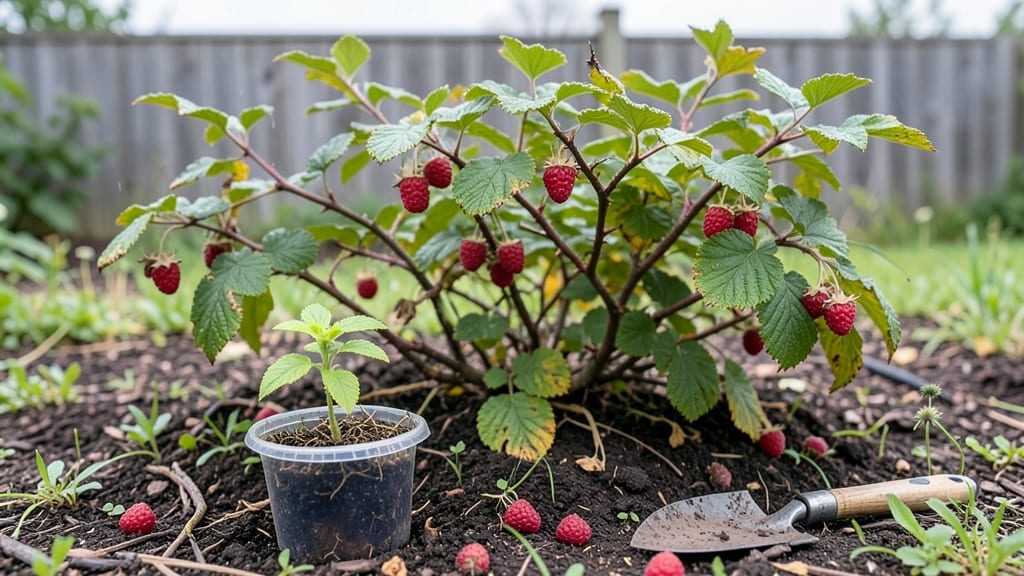
Planting raspberry bushes 18 to 48 inches apart is the difference between scraggly canes and a thriving harvest 🍇—and yes, the exact spacing depends on your variety.
Struggling with raspberry bushes that crowd each other, produce weak canes, and yield fewer berries? Proper spacing isn’t just about aesthetics—it’s the secret to stronger plants and a bountiful harvest. Too close, and you’re inviting disease and competition for sunlight; too far, and you waste space (and patience).
In USDA Zone 6a, where spring planting kicks off after the last frost, spacing right means fewer pruning headaches and more berries per cane.
Summer-bearing types need 3 to 4 feet between plants, while fall-bearing varieties can stretch to 4 to 5 feet—but only if you’re willing to prune aggressively. Dwarf varieties? They’re happy with 18 to 24 inches.
Below, I’ll break down the science behind these numbers, how to adjust for small spaces, and the three mistakes that turn your raspberry patch into a tangled mess. Spoiler: It’s not just about the inches—it’s about airflow, sunlight, and giving those canes room to grow.


Optimal raspberry bush spacing by variety and growth type
Raspberry bushes thrive when given the right space to grow strong canes and produce abundant fruit. Spacing isn’t one-size-fits-all—it depends on your raspberry variety and growth type.
Summer-bearing and fall-bearing types have different needs, and dwarf varieties require far less room than standard bushes. Get it wrong, and you’ll end up with weak canes, poor airflow, and fewer berries. Let’s break down the science-backed spacing ranges for each type to maximize your harvest.
I’ve planted raspberries for over a decade, and the difference between 18-inch spacing and 48-inch spacing is night and day. Tight clusters lead to fungal diseases like botrytis, while overly spaced bushes waste garden real estate. The key is balancing airflow, sunlight penetration, and root competition.
Below, I’ll share the exact spacing guidelines I use for my summer-bearing, fall-bearing, and dwarf varieties, plus how to adjust for your garden layout.
Here’s the golden rule: Standard raspberries need the most space, while dwarf varieties can thrive in tight quarters. Row spacing (the distance between rows) is just as critical as the spacing between individual plants.
For example, 36-inch spacing between plants in a 6-foot-wide row creates the ideal airflow for disease prevention. If you’re working with limited space, semi-dwarf varieties offer a happy medium—compact enough for small gardens but still productive.
Let’s dive into the specifics. The table below compares summer-bearing vs. fall-bearing varieties and breaks down the ideal spacing for dwarf, semi-dwarf, and standard growth types. I’ve included my real-world tips for adjusting spacing based on your garden’s layout, whether you’re planting in rows, hedgerows, or containers.
⚠️ Warning: Overcrowding raspberries reduces yields by 30–50% due to shaded canes and fungal pressure. I’ve seen this firsthand in my own garden when I crammed 24-inch spacing into a summer-bearing variety that needed 36 inches. The result? Weak canes and mushy berries from poor airflow.
For summer-bearing varieties, like Boyne or Heritage, the 36–48-inch spacing allows canes to reach their full potential without competing for nutrients. These bushes produce fruit on second-year canes, so giving them room ensures strong, productive growth.
I’ve found that fall-bearing varieties, such as Heritage or Carolina Gold, benefit from the same spacing because they also rely on second-year canes for part of their yield.
If you’re growing dwarf varieties, like Titan or Raspberry Shortcake, you can plant them as close as 18 inches apart. These are perfect for containers or small-space gardens because they stay compact but still produce high-quality berries.
The trade-off? You’ll need to trellis them to keep canes upright and prevent disease. I use a 5-foot-tall trellis for my dwarf bushes, which works beautifully in my urban backyard.
One common mistake I see is planting raspberries in tight rows without considering row spacing. For example, 36-inch spacing between plants in a 4-foot-wide row creates a shady, humid microclimate that invites fungal diseases.
Instead, aim for 6–8 feet between rows to ensure full sunlight reaches the center of the planting. This simple adjustment can double your yield by keeping canes healthy and disease-free.
Pro tip: If you’re working with
How spacing affects raspberry bush health and yield
When raspberry canes compete for sunlight, nutrients, and air circulation, they produce weaker canes and smaller berries. Overcrowding isn’t just an aesthetic issue—it directly impacts your harvest. Studies show that overcrowded plants yield 30–50% fewer berries due to stress and disease pressure.
Proper spacing ensures each bush thrives, leading to stronger canes and larger, sweeter fruit.
One of the biggest threats to crowded raspberry patches is fungal diseases like botrytis and powdery mildew. Tight clusters trap moisture, creating the perfect breeding ground for pathogens. Without adequate airflow, spores spread rapidly, turning your berries mushy and your leaves spotted.
Even sunlight exposure suffers when canes shade each other, leading to poor fruit development and stunted growth.
Here’s the science: Raspberry bushes need space to photosynthesize efficiently. When canes are too close, the outer branches struggle to get enough light, forcing the plant to allocate energy inward. This results in uneven ripening and smaller berries on shaded sides.
Proper spacing also reduces competition for water and nutrients, ensuring every cane gets what it needs to produce high-quality fruit.
| Variety Type | Spacing (Inches) | Row Spacing (Feet) |
|---|---|---|
| Dwarf (e.g., 'Tulameen') | 18–24 | 4–5 |
| Semi-Dwarf (e.g., 'Boyne') | 24–30 | 5–6 |
| Standard (e.g., 'Heritage') | 36–48 | 6–8 |
Beyond disease prevention, proper spacing boosts berry quality. When canes aren’t competing, they produce larger, firmer berries with deeper flavor. I’ve seen firsthand how overcrowded patches yield small, seedy berries compared to well-spaced bushes with plump, juicy fruit.
Even the color intensity improves—think vibrant reds, purples, or blacks instead of pale, lackluster berries.
Don’t forget about ease of harvesting. Crowded canes make it nearly impossible to pick berries without damaging the plant or missing hidden fruit. With proper spacing, you’ll spend less time wrestling with tangled canes and more time enjoying fresh raspberries.
Plus, well-spaced bushes are easier to prune and maintain, reducing long-term labor.
If you’re working with limited space, consider vertical trellising or container growing to maximize airflow without sacrificing yield. Even in tight gardens, prioritizing 24–36 inches between canes can make a dramatic difference in plant health and fruit quality. Your raspberries—and your back—will thank you! 🌿