How To
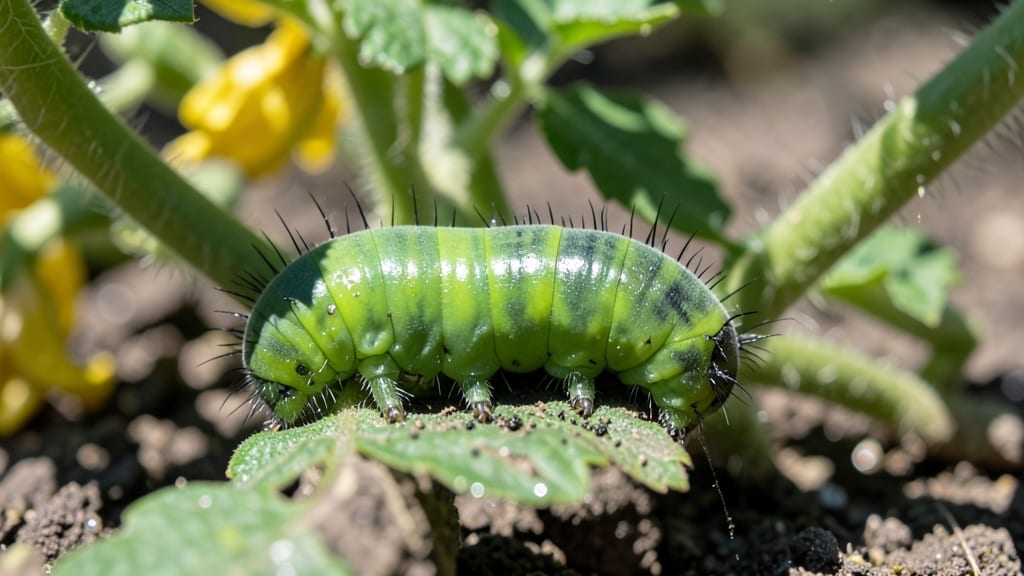
Getting rid of green caterpillars on tomato plants starts with a quick sweep of your garden—those striped munchers can strip a plant bare in days. ✨ I’ve lost entire tomato plants to them before, but I’ve also learned how to stop them fast without harsh chemicals.
The key is acting before they skeletonize your leaves, and the methods I’ve tested work in less than an hour.
Most of these caterpillars are tomato hornworms or loopers, and they’re sneaky—you’ll spot chewed leaves before you see the culprits. The good news? You don’t need fancy tools: a simple spray bottle, a few household ingredients, or even your hands can turn the tide.
I’ve used these same techniques to save my garden from total defoliation, and they’re gentle enough for organic certification if that matters to you.
By the end of this, you’ll know exactly how to remove them manually, which organic sprays work best, and how to prevent them from returning. Your plants will bounce back faster than you think—just remove the pests in the morning, and you’ll see new growth by afternoon.
The secret is consistency and timing.
These methods work for both small home gardens and larger plots, and they’re safe for bees and other beneficial insects. Once you’ve tried them, you’ll wonder why you didn’t act sooner—your tomatoes will thank you with bigger, healthier fruit all season.
Root Causes of Tomato Munchers
Green caterpillars feasting on your tomato plants aren’t just a random nuisance—they’re drawn by specific conditions that create the perfect buffet. Understanding these triggers helps you tackle the problem at its source. Let’s break down the science behind why these leafy invaders show up when they do.
Caterpillars, especially hornworms (the most common green culprits), have a knack for sniffing out stressed or overripe tomatoes. Here’s why: - Volatile organic compounds (VOCs): Ripe or bruised tomatoes release gases like ethylene and hexanal, which act like dinner bells for caterpillars.
These compounds signal "easy prey" to their sharp senses. - Soft tissue = easy access: Overripe fruit has broken cell walls, making it simpler for caterpillars to burrow in and gorge.
A single hornworm can devour a tomato in under 24 hours if left unchecked. - Sugar signals: As tomatoes ripen, their sugar content spikes, releasing scents that attract not just caterpillars but also their moth parents, who lay eggs nearby.
Actionable insight: Harvest tomatoes as soon as they’re 70% ripe (when they start changing color) to reduce the scent trail. Remove fallen or damaged fruit immediately—even one rotting tomato can attract a swarm.
Caterpillars thrive in shady, crowded conditions because: - Moisture retention: Thick foliage traps humidity, creating the ideal microclimate for egg-laying moths and larval survival.
Moths prefer to deposit eggs on undersides of leaves where caterpillars stay hidden from predators (like birds or lizards). - Shelter from predators: A tomato plant with unpruned suckers or excessive leaves acts like a caterpillar’s fortress.
Without gaps, birds and beneficial insects (like parasitic wasps) can’t spot or reach them. - Nutrient-rich leaves: Young, tender tomato leaves are packed with nitrogen and water, which caterpillars crave. Over-fertilizing with nitrogen (especially high-phosphorus or potassium-heavy mixes) can make plants even more appealing.
Actionable insight: Prune your tomato plants to open the canopy—aim for 6–8 main stems with spaced-out leaves. This reduces hiding spots and improves airflow, making it harder for moths to lay eggs undetected.
Stressed tomato plants are magnets for moths, and here’s the biology behind it: - Hormonal cues: Plants under stress (from drought, disease, or poor soil) release jasmonic acid, a chemical that mimics damage signals.
Moths interpret this as a sign that the plant is already compromised—easy pickings for their offspring. - Root zone disturbances: If your tomatoes are planted in compacted soil or lack beneficial microbes, their roots struggle to absorb nutrients.
This weakness translates to softer stems and leaves, which caterpillars find irresistible. - Nighttime feeding patterns: Most tomato-feeding moths (like the **tomato hornworm moth, Manduca sexta) are nocturnal. They’re drawn to plants that are already emitting stress signals at night, when they’re most active.
Actionable insight: Hardening off seedlings properly and ensuring well-draining, compost-rich soil reduces plant stress. Add mycorrhizal fungi to roots at planting—these symbiotic microbes boost nutrient uptake and make plants less attractive to pests.
Caterpillars are temperature-sensitive, and their populations explode in: - Ideal ranges: Most green caterpillars (hornworms, loopers) thrive in 70–85°F (21–29°C) with high humidity (60%+).
These conditions shorten their life cycle—larvae grow from egg to adult in as little as 3 weeks. - Extended growing seasons: In tropical or subtropical zones, caterpillars get multiple generations per year, while cooler climates might see only one or two.
This means earlier infestations and more overlap with tomato harvests. - Rainfall triggers: After heavy rain, soil moisture spikes, which signals moths to lay eggs. The excess water also softens plant tissues, making them easier to chew.
Actionable insight: In hot climates, use shade cloth (30–50%) to reduce stress on plants while keeping humidity in check. Drip irrigation (instead of overhead watering) prevents leaf dampness, which moths love for egg-laying.
Planting only tomatoes (or other nightshades like peppers/eggplants) turns your garden into a caterpillar buffet. Why? - No natural predators: Diverse gardens attract ladybugs, lacewings, and parasitic wasps, which prey on caterpillar eggs and larvae.
Monocultures starve these helpers of alternative food sources. - Pheromone trails: Moths use chemical signals to find mates and food.
In a sea of tomatoes, a single infested plant can quickly become a colony hub. - Soil-borne cues: Repeatedly growing tomatoes in the same spot depletes soil nutrients and leaves behind pest-attracting residues from last year’s plants.
Actionable insight: Interplant tomatoes with basil, marigolds, or borage—these repel moths and attract beneficial insects. Rotate crops annually to disrupt moth breeding cycles.
Not sure which cause fits your situation? Use this cheat sheet to identify the trigger:
| Symptom | Likely Cause | What to Check First |
|---|---|---|
| Caterpillars on only ripe fruit | Overripe/damaged tomatoes | Harvest schedule, fallen fruit |
| Caterpillars hidden in dense leaves | Poor pruning, high humidity | Foliage thickness, watering habits |
| Infestation starts at night | Moth activity, warm nights | Outdoor lights (attract moths), temps |
| Multiple generations in one season | Hot, humid climate | Local weather patterns, shade needs |
| Whole garden affected** | Monoculture, lack of predators | Plant diversity, soil health |
Quick Fixes for Tomato Plant Pests
Now that you know why those pesky green caterpillars are munching on your tomato plants, it’s time to take action! The good news? You don’t need harsh chemicals to save your harvest.
Below are practical, organic solutions tailored to the root causes—whether it’s hungry hornworms, loopers, or other leaf-chewing invaders. Plus, we’ll share prevention tips to keep your garden caterpillar-free for good.
If you spot a few caterpillars, manual removal is the fastest and most effective method. Early intervention prevents them from growing into a full-blown problem.
How to do it:
- 👨🍳 Scout your plants in the early morning when caterpillars are sluggish (they’re less likely to drop off).
- 🔪 Use gloves or tweezers to pluck them off—drop them into a bucket of soapy water to kill them instantly.
- 🌿 Check the undersides of leaves (a favorite hiding spot for hornworms).
- ⏰ Repeat every 2–3 days until no more caterpillars appear.
Pro tip: 💡 If you’re squeamish, wear a mask—some gardeners swear by a damp towel to gently wipe caterpillars off leaves without crushing them.
For larger infestations, Bacillus thuringiensis (BT) is a biological pesticide that targets caterpillars without harming bees, birds, or beneficial insects. It works by disrupting their digestive systems, killing them within 24–48 hours.
How to apply:
- 📊 Buy BT in powder or spray form (look for Bt kurstaki—it’s caterpillar-specific).
- 💦 Mix according to package instructions (usually 1–2 tbsp per gallon of water).
- 🌱 Spray directly on leaves where caterpillars feed, focusing on the undersides.
- ⏰ Reapply every 7–10 days or after rain, as BT breaks down quickly.
Pro tip: 🌡️ Best used in cooler temps (below 85°F). Heat can reduce its effectiveness, so morning or evening applications work best.
Neem oil is a multi-purpose organic solution that repels caterpillars, disrupts their life cycle, and even prevents egg-laying. It’s safe for plants (when used correctly) and won’t harm pollinators if applied at the right time.
How to make a neem oil spray:
- 📊 Mix 1 tbsp neem oil + 1 tsp mild liquid soap (like Castile) + 1 quart of water.
- 🔄 Stir well and pour into a spray bottle.
- 🌿 Spray evenly on both sides of leaves, stems, and soil around the base (caterpillars hide in mulch!).
- ⏰ Apply every 5–7 days or after rain.
Pro tip: ✨ For extra potency, add 1 tsp garlic oil (natural repellent) to the mix.
If caterpillars are a recurring problem, physical barriers can save your tomatoes before they even hatch.
How to set it up:
- 🛡️ Use lightweight floating row covers (made of fine mesh) over young plants.
- 📏 Secure edges with soil or bricks to keep caterpillars (and moths) from laying eggs.
- 🌱 Remove covers when flowers appear (to allow pollination), then reapply after harvest if needed.
- 🌿 For established plants, wrap stems with aluminum foil (caterpillars dislike the texture) or use collars around the base.
Pro tip: 🎯 Combine with BT for a double defense—covers block adults, while BT kills larvae.
The best way to eliminate green caterpillars for good? Break their life cycle with these proactive strategies:
| Tactic | How It Works | When to Do It |
|---|---|---|
| 🌿 Plant companion plants | Marigolds, basil, and dill repel moths (caterpillar parents). Nasturtiums distract pests. | At planting time |
| 🌱 Rotate crops | Avoid planting tomatoes in the same spot yearly—moths remember favorite spots! | Every 2–3 years |
| 🧹 Clean up debris | Remove fallen leaves, old plants, and mulch where caterpillars pupate. | Fall & spring cleanup |
| 🐝 Encourage predators | Ladybugs, lacewings, and parasitic wasps eat caterpillar eggs/larvae. Plant dill, fennel, or yarrow to attract them. | All season |
| 🌙 Use yellow sticky traps | Trap moths before they lay eggs with yellow cards coated in Tanglefoot. | At dusk (when moths are active) |
Pro tip: 🔥 Plant tomatoes later in the season—early plantings attract more pests. Aim for mid-to-late summer for fewer caterpillar issues.
- ❌ Avoid broad-spectrum pesticides (like sevin or malathion)—they kill beneficial insects and can harm your tomatoes.
- ❌ Don’t ignore early signs—waiting until leaves are skeletonized means the caterpillars are bigger and harder to remove.
- ❌ Skip the soil treatment—many caterpillars pupate underground, so treat the soil too with BT or neem.
Getting rid of green caterpillars takes consistency, but with these methods, your tomato plants will bounce back stronger. Start with handpicking and BT, then layer in prevention for a caterpillar-free harvest next season.
🍅 Ready to reclaim your garden? Pick one method** from above and try it this week—your tomatoes will thank you!
Frequently asked questions
What are those big green caterpillars eating my tomato leaves?
Those are most likely tomato hornworms or loopers—they're the #1 culprits behind chewed tomato foliage. Hornworms can grow up to 4 inches long and have white diagonal stripes, while loopers have a distinctive "loop" when they crawl. Both species can defoliate a plant in just a few days if left unchecked.
Will removing the caterpillars harm my tomato plants?
Not at all! In fact, it helps them recover faster. Removing caterpillars prevents further damage and allows your plants to redirect energy toward fruit production. Just be gentle when handling leaves to avoid additional stress. The plants will show new growth within 3-5 days of pest removal.
How do I know if my tomato plants are stressed enough to attract caterpillars?
Watch for these signs: yellowing leaves, stunted growth, or wilting despite proper watering. Stressed plants release chemicals that signal to moths, "Easy prey here!" Also check for overripe tomatoes on the ground—rotting fruit attracts egg-laying moths. Healthy plants with good airflow are much less appealing to pests.
Can I use dish soap to kill caterpillars?
Yes, but with caution. Mix 1 tablespoon of mild dish soap with 1 quart of water and spray directly on caterpillars. This disrupts their protective coating. However, avoid spraying flowers (it can harm pollinators) and reapply every 2-3 days as it breaks down quickly. For larger infestations, BT or neem oil work better.
Why do I keep seeing caterpillars even after treatment?
Caterpillars have a short life cycle—some treatments only kill existing larvae, while new eggs may still hatch. Check leaf undersides daily for fresh eggs (tiny white dots). Combine methods: handpick visible caterpillars, use BT for larvae, and apply neem oil to prevent egg-laying. Consistency is key—treat every 5-7 days during peak season.