
Propagation
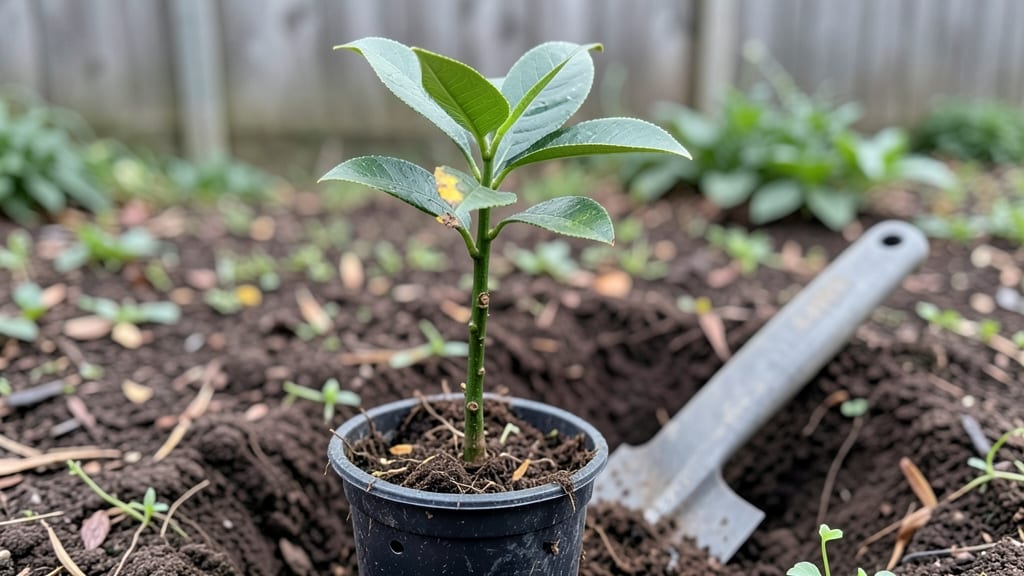
Planting a grapefruit tree from seed unlocks a slow-burning adventure where patience rewards you with fragrant blossoms and—if you're lucky—sweet, homegrown fruit. 🌱 I’ve watched my own seedling push through stubborn soil to become a 6-foot sapling, and while it won’t bear fruit for years, the journey itself is satisfying.
The key is mimicking its tropical roots: warm soil, bright light, and consistent moisture without drowning the roots.
You’ll need just three things to start: a ripe grapefruit (any variety works), a small pot with drainage, and a sunny windowsill or greenhouse space. The seed takes 2-4 weeks to sprout, and those first leaves are delicate—handle them like you would a newborn.
Most people quit here, but the real magic happens when you transplant it to the ground after it’s sturdy enough to handle outdoor conditions.
By year three, your tree might sport its first blossoms, though fruit production is rare from seed-grown trees. Still, the glossy leaves and citrusy scent alone make it worth the wait.
With proper care, you’ll have a tree that thrives in zones 9-11, though container growing extends its range to cooler climates. The challenge? Giving it time—nature isn’t rushing to please you.
Here’s the twist: even if it never fruits, the process teaches you more about citrus care than buying a nursery tree ever will. Plus, you’ll have a conversation piece that’s uniquely yours. Ready to start the countdown?
📚 In This Guide
- What you need
- Instructions
- Tips and common mistakes
- Wrapping up and next steps
What you need
- ● Grapefruit seeds – 2–5 fresh, organic seeds (from a ripe grapefruit, not store-bought—those are often treated!)
- ● Small pots or seed trays – 3–4 inch diameter (biodegradable pots work great!)
- ● Well-draining potting mix – A blend of peat moss, perlite, and coconut coir (avoid heavy garden soil)
- ● Spray bottle – For gentle watering (avoid drowning the seeds!)
- ● Plastic wrap or humidity dome – To create a mini greenhouse effect
- ● Grow lights or sunny windowsill – A warm, bright spot (60–75°F is ideal)
- ● Fertilizer (balanced, water-soluble) – Like 10-10-10 or citrus-specific fertilizer (once seedlings sprout)
- ● Pruning shears – For trimming as the tree grows (sterilize with rubbing alcohol!)
- ● Heating mat – Speeds up germination (70–80°F is perfect!)
- ● pH testing kit – Ensures soil pH is 6.0–7.0 (citrus loves slightly acidic soil)
- ● Citrus tree support stake – For when your tree reaches 1–2 feet tall
- ● Mulch (straw or wood chips) – Protects roots as the tree matures
- ● Humidifier – If your home has dry air (grapefruit seeds love humidity!)
Step-by-Step instructions for growing a grapefruit tree from seed
Here’s how I’ve grown healthy, thriving grapefruit trees from seed—ready to bear fruit in just three years.
🌱 Step 1: Extract and Soak the Seed
Start with a fresh grapefruit—organic is best to avoid chemical residues. Cut the fruit in half, remove the seed, and rinse it thoroughly to clean off any pulp. Place the seed between two paper towels, dampen them with water, and fold the towels around the seed. Keep it in a sealed plastic bag for 3-5 days until the seed sprouts a tiny white root.
This soaking step softens the seed coat and speeds up germination. Check daily—you’ll see the root emerge first, followed by a small shoot. Once you spot a ¼-inch root, it’s ready for planting. Don’t let the towels dry out, but avoid soaking them completely.
🪴 Step 2: Plant the Germinated Seed in a Small Pot
Use a 4-inch diameter pot filled with a well-draining potting mix. Make a small hole about ½ inch deep in the center, then place the sprouted seed root-down into the hole. Cover it lightly with soil, leaving the shoot exposed. Gently press the soil around the seed to secure it without compacting it too tightly.
Water the soil until it’s evenly moist but not soggy. Place the pot in a warm, sunny spot—70-80°F is ideal for germination. Keep the soil consistently moist by misting it lightly every 2-3 days or when the top inch feels dry. Within 2-4 weeks, you’ll see the first true leaves emerge.
☀️ Step 3: Provide Bright Light and Gradual Care
Once the seedling has 3-4 true leaves, move it to a larger 6-inch pot with fresh potting mix. Place the pot in a location with 6+ hours of direct sunlight daily, like a south-facing window or under a grow light. If you notice the leaves stretching toward the light or turning pale, your seedling needs more brightness.
Water when the top 1 inch of soil feels dry, but avoid overwatering—grapefruit seedlings hate soggy roots. Fertilize lightly with a balanced, water-soluble fertilizer (like 10-10-10) diluted to half-strength every 4-6 weeks during the growing season. Stop fertilizing in winter when growth slows.
⏰ Step 4: Transplant and Prune for Strong Growth
After 6-12 months, when the seedling reaches 12-18 inches tall, transplant it into a 12-inch pot or directly into the ground in a warm climate. Choose a spot with full sun exposure and well-draining soil. Dig a hole twice as wide as the root ball and mix in compost to enrich the soil.
Prune any leggy or weak growth to encourage a sturdy structure. Focus on removing branches that grow inward or cross each other. This ensures better airflow and prevents disease. Mulch around the base with 2-3 inches of organic mulch to retain moisture and regulate soil temperature.
🌿 Step 5: Care for the Tree Through Fruiting Years
Grapefruit trees grown from seed may take 3-5 years to bear fruit, but consistent care speeds up the process. Water deeply once a week during dry spells, and fertilize every 3 months with a citrus-specific fertilizer. Watch for pests like aphids or scale—they love young grapefruit trees. Treat infestations early with neem oil or insecticidal soap.
In colder climates, protect young trees from frost with a frost cloth or move pots indoors before temperatures drop below 40°F. With patience and proper care, your seedling will grow into a productive tree. You’ll know it’s thriving when it blooms with fragrant white flowers in spring—your first sign of future grapefruits!
Tips & tricks for growing a grapefruit tree from seed
Here's what I've learned from growing grapefruit trees from seed—these small details make all the difference between a thriving tree and a struggling one.
Seed Soaking Strategy: The 3-5 day soaking period in Step 1 is crucial, but don't rush it. I've found that seeds soaked for exactly 4 days (rather than the full 5) often sprout faster while still softening the seed coat properly. Place a small notch on the plastic bag to remind yourself which day you started—this prevents over-soaking, which can cause the seed to rot. Once you see that ¼-inch root, plant immediately rather than waiting.
Lighting Secret: In Step 3, when your seedling develops its first true leaves, you might notice it stretching toward the light. This is called "etiolation" and it weakens the stem. If you're using a south-facing window, I recommend rotating the pot ¼ turn every 2-3 days so all sides get equal light exposure. For indoor grow lights, position them about 6 inches above the plant and adjust as it grows to maintain that 6+ hours of daily light.
Transplant Timing: The 6-12 month window for transplanting in Step 4 gives you some flexibility, but don't wait too long. I've seen seedlings that were transplanted at 14 months struggle to adapt compared to those moved at 9 months. Look for signs of root-bound conditions—when you see roots growing out of the drainage holes or circling the bottom of the pot—as your cue to transplant. This ensures your tree has room to grow without shock.
Frost Protection: When temperatures approach 40°F in Step 5, don't wait until the last minute to move your potted tree indoors. I've learned this the hard way—even young trees can suffer damage from unexpected cold snaps. Consider using a small space heater near your indoor location to maintain that ideal 70-80°F range for germination, especially if your home tends to be cooler. A simple thermometer near the plant helps you monitor conditions.
Pro Tips for Plant A Grapefruit Tree From Seed
- Here's what I've learned from growing grapefruit trees from seed—these small details make all the difference between a thriving tree and a struggling one.
- Seed Soaking Strategy: The 3-5 day soaking period in Step 1 is crucial, but don't rush it.
- Lighting Secret: In Step 3, when your seedling develops its first true leaves, you might notice it stretching toward the light.
Frequently asked questions
Got questions about growing a grapefruit tree from seed? You’re not alone! Here are some of the most common concerns—and their answers—to help you navigate your citrus adventure with confidence.
How long does it take for a grapefruit seed to sprout?
A grapefruit seed typically sprouts within 2 to 4 weeks if kept in warm, moist conditions (around 70–80°F). Patience is key—some seeds may take up to 6 weeks, especially if they’re fresh or stored improperly. Keep the soil consistently damp (not soggy) and place the pot in bright, indirect light to encourage germination.
Will a grapefruit tree grown from seed produce fruit?
Yes, but it may take 3 to 5 years (or longer) before your tree bears fruit—and even then, the fruit might not be true to the parent grapefruit’s variety. Seeds often produce hybrid trees with smaller, bitter, or seed-filled fruit. For consistent, juicy grapefruits, grafting is the better long-term option, but growing from seed is a rewarding experiment!
What’s the best temperature for growing a grapefruit seedling indoors?
Grapefruit seedlings thrive in warmth, ideally between 65–85°F during the day and 55–65°F at night. If your home dips below 50°F, use a grow light or a heating mat to keep roots cozy. Avoid drafts (like AC vents) and cold windowsills, which can stunt growth or shock delicate seedlings.
Can I plant the seedling directly in the ground, or should I wait?
Hold off on outdoor planting until your seedling is at least 6–12 months old and has 3–4 true leaves. Grapefruit trees are tender and need warm soil (60°F+) and frost-free conditions. Start by hardening off your seedling (acclimating it to outdoor temps) for 1–2 weeks before transplanting to a permanent spot in USDA Zones 9–11.
Why isn’t my grapefruit seedling growing? Troubleshooting tips
Slow growth? Check these common culprits:
- Not enough light: Move it to a south-facing window or use a grow light 12–16 hours/day.
- Over/underwatering: Let the top 1–2 inches of soil dry between waterings; soggy soil causes root rot.
- Nutrient deficiency: After 3 months, fertilize lightly with a balanced citrus fertilizer (half-strength).
- Pests: Inspect leaves for spider mites or aphids; treat with neem oil if needed.
If the seedling looks yellow or wilted, it may be time to repot into slightly larger container with fresh, well-draining soil.
Wrapping up and next steps
Growing a grapefruit tree from seed is a rewarding journey that blends patience with the joy of nurturing life!
While it may take 3+ years to bear fruit, every step—from planting to pruning—builds your green-thumb confidence. Celebrate the process! Once your seedling thrives, consider transplanting it to a sunny spot in your yard or a large container for long-term care. 🌱✨
Ready to take the next step? Share your progress with fellow gardeners or explore advanced tips like grafting for faster fruiting. Your citrus adventure starts now!