
Pruning
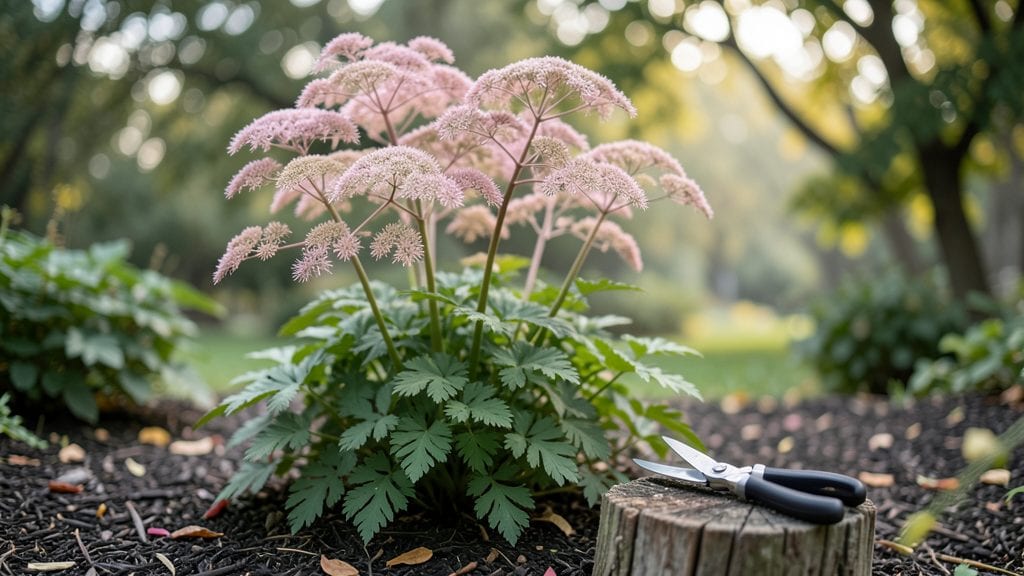
Pruning astilbe plants might seem intimidating, but I’ve turned my overgrown clumps into lush, blooming powerhouses with just three strategic cuts each year. 🌿 The secret isn’t complicated—it’s about timing, a sharp pair of shears, and knowing where to stop.
Most gardeners wait too late, but astilbes reward early attention with thicker stems and bigger plumes.
You’ll need clean pruners, a small bucket for clippings, and about 15 minutes—that’s it. The best time to prune is right after blooming (late summer) and again in early spring before new growth appears.
This keeps the plant tidy, prevents disease, and encourages fresh, vibrant blooms for next season. I’ve seen astilbes go from scraggly to showstopping in just one season with this method.
Here’s the game-changer: always cut back to a healthy leaf or bud, never bare wood. That’s where new growth emerges. After pruning, your astilbes will look neater and more compact, with stems that stay strong through summer heat.
The blooms? They’ll be fuller and taller than ever before, with those feathery plumes lasting weeks longer.
This works for all astilbe varieties—whether you’ve got dwarf types for containers or towering border plants. The same rules apply, so you can prune with confidence no matter your space. Let’s get those shears ready!
📚 In This Guide
- What you need
- Instructions
- Tips and common mistakes
- Wrapping up and next steps
What you need
- ● Pruning shears or bypass pruners – Choose sharp, clean ones (size: 5–7 inches) for precise cuts. (Avoid dull tools—they crush stems!)
- ● Garden gloves – Opt for cut-resistant or gardening gloves (medium-weight) to protect your hands from thorns and dirt.
- ● Disinfectant (rubbing alcohol or 10% bleach solution) – 1 part bleach to 9 parts water to sterilize tools between cuts and prevent disease spread.
- ● Garden twine or plant ties – A small roll (5–10 feet) to secure stems if needed after pruning.
- ● Garden waste bag or bucket – For disposing of trimmings (1–2 large bags or a 5-gallon bucket).
- ● Hand pruners (for smaller stems) – If your Astilbe has delicate foliage, smaller shears (3–4 inches) make close trims easier.
- ● Knee pads or stool – For comfort if your plants are tall or ground-level pruning is tricky.
- ● Plant food or compost – A small bag of balanced fertilizer (10-10-10) or compost to nourish plants post-pruning.
- ● Spray bottle with water – To mist cuts if your climate is dry or windy.
Instructions for pruning astilbe plants
Skip the guesswork—these three cuts keep your astilbe blooming beautifully year after year.
✂️ Step 1: Cut Back Dead Flower Stems After Blooming
Once the feathery plumes turn brown and crispy, grab your pruners and snip them back to the base of the plant. I always do this in early fall, right after the flowers fade. This ensures the plant puts energy into next year’s growth instead of seeding.
Don’t worry about cutting too low—astilbe grows from the crown, so you can’t damage the plant by trimming right down. Just avoid cutting into the green leaves or stems below. If you see any diseased or yellowing foliage, remove that too and toss it in the trash, not the compost.
✂️ Step 2: Lightly Trim Foliage in Late Fall or Early Spring
In late fall or early spring, give your astilbe a quick once-over to tidy up any remaining dead leaves or stems. Use sharp pruners to cut back any brown or brittle growth to about 1-2 inches above the ground. This keeps the plant looking neat and prevents pests from hiding in old debris.
I like to do this step right before new growth starts in spring. You’ll see fresh green shoots emerging from the center—those are your signal that it’s time to stop cutting. Avoid cutting into the new growth, as it can slow down the plant’s development.
✂️ Step 3: Renew Old Growth in Early Spring for Revitalization
Every few years, astilbe benefits from a rejuvenating cut. In early spring, before new shoots appear, trim the entire plant back by about one-third of its height. This encourages bushier, more vigorous growth and prevents the plant from becoming too leggy.
Watch for new shoots emerging from the base after cutting. These will grow into fresh, healthy stems. If your astilbe looks particularly woody or sparse, this is the step that’ll bring it back to life. Just be patient—it might take a season or two for the plant to fully recover, but the results are worth it.
💧 Bonus: Water and Feed After Pruning
After pruning, give your astilbe a deep watering to help it recover. I like to add a balanced, slow-release fertilizer at this time to give the plant a nutrient boost. This step ensures your astilbe stays healthy and ready to put on a stunning show next season.
Keep an eye on the soil moisture—astilbe prefers consistently moist but not soggy conditions. If the weather turns dry, water regularly to keep the roots happy. With these simple cuts, your astilbe will keep blooming like a dream for years to come.
Tips & tricks for perfect astilbe pruning
These simple tricks will help you keep your astilbe looking its best with minimal effort—and prevent those common pruning mistakes that can stress your plants.
Timing Tip: In Step 1, when cutting back those dead flower stems in early fall, don't wait until the first frost. The goal is to remove faded blooms before they go to seed, which saps energy from your plant. I aim to prune within 1-2 weeks after the feathery plumes turn completely brown. This timing redirects the plant's energy toward next year's growth instead of seed production.
Tool Tip: Sharp pruners are non-negotiable for clean cuts that heal properly. I always clean my pruners with rubbing alcohol between plants to prevent spreading disease. For Step 2's light trim, I use bypass pruners—they make cleaner cuts than anvil pruners, which can crush stems. This prevents unsightly ragged edges and helps the plant recover faster.
Visual Cue for Step 3: When doing your rejuvenating cut every few years, imagine dividing the plant's height into thirds. Cutting back to the top third leaves enough foliage to support photosynthesis while encouraging bushier growth from the base. If your astilbe is particularly leggy, you might need to trim back slightly more—but never cut into old, woody stems at the base.
Post-Pruning Care: After any pruning, especially the deep cut in Step 3, give your astilbe a deep watering right away. The roots need moisture to recover from the stress of cutting. I like to add a handful of compost to the soil surface after watering—this provides slow-release nutrients while protecting the crown from temperature fluctuations. This extra step makes a noticeable difference in how quickly your plant bounces back.
Pro Tips for Prune Astilbe Plants
- These simple tricks will help you keep your astilbe looking its best with minimal effort—and prevent those common pruning mistakes that can stress your plants.
- Timing Tip: In Step 1, when cutting back those dead flower stems in early fall, don't wait until the first frost.
- Tool Tip: Sharp pruners are non-negotiable for clean cuts that heal properly.
Frequently asked questions
Got questions about pruning your astilbe? You’re not alone! Here are some of the most common concerns—and straightforward answers—to keep your plants thriving.
When is the best time to prune astilbe?
Prune astilbe after the first hard frost in late fall or early winter (Zone 5-9). This removes dead foliage and makes spring cleanup easier. If you’re in a milder climate, wait until early spring before new growth starts. Never prune in late summer—this cuts off next year’s blooms!
Do I need to cut astilbe all the way to the ground?
Yes! Cut stems back to 1–2 inches above the soil line to encourage fresh, vigorous growth. Leave any dead foliage until spring if you’re in a cold zone—it provides winter protection. Pro tip: Use sharp shears to avoid tearing the crown.
What if my astilbe looks sad after pruning?
Don’t panic! Astilbe is resilient. If it’s leafless or sparse in spring, it might need fertilizer (use a balanced 10-10-10) or better drainage. Over-pruning or cutting into the crown can stunt growth, so always leave that 1–2 inch stump. Yellow leaves? Could signal overwatering—adjust your care!
Can I prune astilbe in summer for better blooms?
Nope! Summer pruning reduces next year’s flowers because astilbe blooms on old wood. If you must tidy up, only remove spent blooms (deadheading) to encourage more flowers on the current season’s stems. Save heavy pruning for winter.
What’s the difference between pruning and deadheading astilbe?
| Action | When | Purpose |
|---|---|---|
| Pruning | Late fall/winter | Removes all stems to ground level for regrowth. |
| Deadheading | Summer (after blooms fade) | Trims only spent flower stalks to extend blooming. |
Pro tip: Deadheading keeps your astilbe looking neat and blooming longer!
Wrapping up and next steps
Pruning your astilbe plants doesn’t have to be intimidating—just a few simple cuts can keep them thriving and blooming beautifully! 🌸 By following the seasonal timing and techniques we’ve shared, you’ll encourage lush foliage, stronger stems, and even more vibrant flowers next year.
Now that you’re equipped with the know-how, grab those shears and give your astilbes the care they deserve.
Ready to take it a step further? Experiment with deadheading spent blooms or try dividing overgrown clumps in early spring for even more impact. Your garden will thank you!