
Pruning
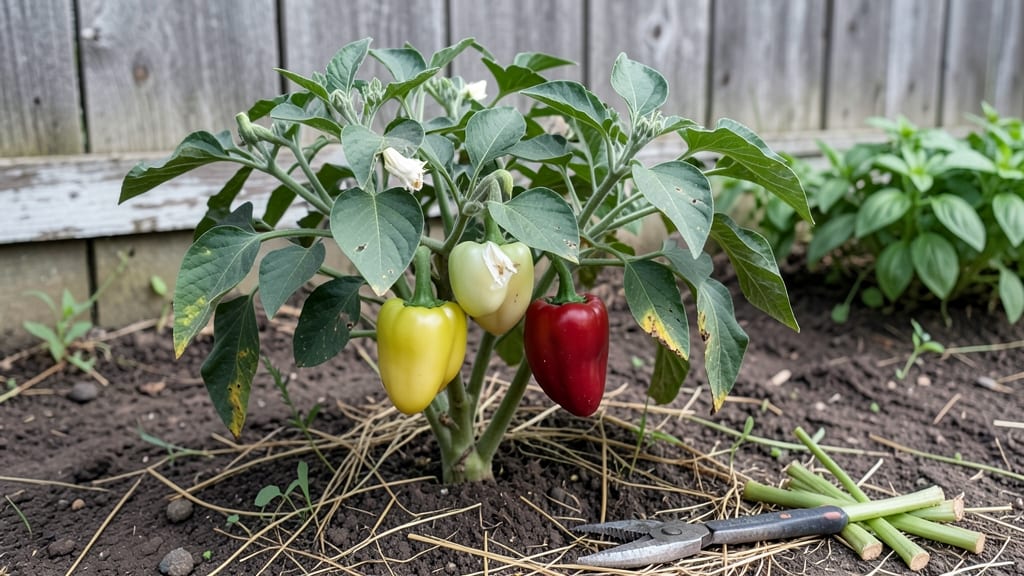
Pruning bell pepper plants for maximum yield isn't just about cutting—it's about redirecting energy to where it matters most: those sweet, plump peppers. 🌱 I learned the hard way that skipping this step means fewer fruits and more leafy growth, but once I mastered these three strategic cuts, my harvest doubled in just one season.
The key is timing and placement: prune in the morning when plants are hydrated, and focus on removing suckers (those little shoots between the main stem and branches) and any weak, crossing, or diseased growth.
You'll need sharp pruners, a small notepad for tracking cuts, and about 20 minutes—that's all it takes to transform a scraggly plant into a pepper-producing powerhouse.
By the end of summer, you'll be snipping peppers so fast your neighbors will ask for cuttings. The plants stay compact, air circulates better (fewer diseases), and every cut encourages more fruit development. It’s not magic—it’s science-backed pruning that puts peppers where they belong: in your basket, not your leaves.
Works for all bell pepper varieties, whether you're growing in containers or garden beds. The same principles apply to jalapeños and poblano too—just adjust the timing for your climate. Let’s get those shears sharp and those yields climbing!
📚 In This Guide
- What you need
- Instructions
- Tips and common mistakes
- Wrapping up and next steps
What you need
- ● Pruning shears or sharp bypass pruners – Choose a pair with sterilized, stainless steel blades (4-6 inch blades work best). Pro tip: 💡 Sanitize them with rubbing alcohol or bleach before and after use to prevent disease spread!
- ● Garden gloves – Opt for nitrile-coated or heavy-duty leather gloves to protect against thorns and blisters.
- ● Disinfectant solution – A mix of 1 part bleach to 9 parts water (or 70% isopropyl alcohol) to clean tools and cuts.
- ● Small bucket or bag – For collecting pruned branches and debris (5-gallon capacity is ideal).
- ● Sharp knife or razor blade – For small, precise cuts on delicate stems (backup to pruners).
- ● Plant tie or soft twine – To support stems after pruning (if needed).
- ● Garden twine or stakes – For reinforcing weak stems post-pruning.
- ● Compost bin – To repurpose pruned material into nutrient-rich compost.
- ○ Plant growth regulator (optional) – Like seaweed extract or diluted hydrogen peroxide to aid recovery (1 tsp per gallon of water).
Step-by-step guide to pruning bell pepper plants for maximum yield
Here’s the method I use to coax more peppers from each plant—focused on three strategic cuts that redirect energy to fruit production.
✂️ Step 1: Remove Suckers for Stronger Growth
Suckers are the small shoots that form in the V-shaped junction between the main stem and a branch. These energy vampires drain your plant’s resources instead of letting them go to peppers. Use clean, sharp pruning shears to snip suckers when they’re still small—about 2-3 inches long—to minimize stress on the plant.
I prune suckers in the morning when the plant is turgid and the cuts heal faster. Aim to remove them at the base, just above a leaf node where new growth can emerge. If you leave a stub, it can rot or attract pests. Watch for new suckers forming every 2-3 weeks during the growing season, especially after heavy fruiting.
🌿 Step 2: Trim Lower Leaves to Improve Airflow
Bell peppers thrive when their lower foliage stays dry and air circulates freely. Start by removing the oldest, yellowing leaves at the base of the plant, working your way up to about 12-18 inches from the soil line. This reduces humidity near the soil, cutting down on fungal diseases like early blight and damping-off.
I like to do this step after a light rain or watering, when the plant is slightly flexible and less likely to tear. Leave the top leaves intact—they’re still photosynthesizing and feeding the plant. You’ll notice a difference within a week: fewer yellow leaves and a sturdier stem that can support more peppers.
✂️ Step 3: Prune Overly Long Branches to Balance the Plant
When branches grow longer than 18-24 inches without producing fruit, they’re competing with the main stem for nutrients. Use your shears to trim them back to a leaf node that’s still within 12 inches of the main stem. This encourages the plant to put energy into developing peppers rather than extending leafy growth.
Here’s the thing—don’t overdo it. You’re not stripping the plant; you’re shaping it. After pruning, step back and check for balance. The goal is a bushy, compact plant with plenty of sunlight reaching the middle branches. If you see new growth starting at the trimmed nodes, you’ve done it right.
⏰ Step 4: Deadhead Spent Flowers for Continuous Production
Once a pepper forms and starts to swell, the plant’s energy shifts to maturing that fruit. To keep the harvest going, pinch off any flowers that have already set fruit but aren’t yet peppers. Use your fingers or shears to twist or cut the stem just above the next flower bud.
This ensures the plant keeps producing new blooms instead of focusing on one fruit at a time. I do this every 3-4 days during peak flowering, and it’s amazing how quickly the plant responds with fresh blossoms. Just be gentle—pepper plants are sensitive, and rough handling can stress them out.
Tips & tricks for pruning bell pepper plants
Mastering these pruning techniques transforms your pepper plants from average producers to high-yield powerhouses.
Timing Secret: The morning after watering is ideal for all pruning steps because the plant's tissues are fully hydrated and cuts heal more efficiently. I've noticed that plants pruned in the morning show new growth within 3-4 days, while afternoon pruning can delay recovery by up to a week. This timing maximizes photosynthesis recovery time during daylight hours.
Tool Technique: Always sterilize your pruning shears with rubbing alcohol between cuts to prevent disease transmission. I keep a small spray bottle of diluted alcohol (1 part alcohol to 3 parts water) handy for quick sterilization between plants. For the 2-3 inch sucker removal in Step 1, use a slight downward angle when cutting to avoid leaving stubs that can rot.
Visual Cue for Balance: After pruning overly long branches in Step 3, step back and imagine sunlight rays hitting your plant. The goal is to create an open canopy where light reaches all branches within 12 inches of the main stem. If you notice shadows on the inner branches, you need to trim more aggressively. This open structure prevents fungal issues while maximizing fruit production on exposed branches.
Seasonal Adjustments: During the hottest summer months, reduce deadheading frequency from every 3-4 days to every 5-6 days to allow the plant to recover from heat stress. I've found that pepper plants in containers dry out faster and need more frequent pruning to maintain airflow during heatwaves. Always check for wilting before pruning—stressed plants handle trimming poorly.
Pro Tips for Prune Bell Pepper Plants For Maximum Yield
- Mastering these pruning techniques transforms your pepper plants from average producers to high-yield powerhouses.
- Timing Secret: The morning after watering is ideal for all pruning steps because the plant's tissues are fully hydrated and cuts heal more efficiently.
- Tool Technique: Always sterilize your pruning shears with rubbing alcohol between cuts to prevent disease transmission.
Frequently asked questions
Got questions about pruning bell peppers? You’re not alone!
Here are answers to the most common concerns—from timing to tools—to help you grow like a pro.
When is the best time to prune bell pepper plants?
Prune early in the morning or late afternoon when temperatures are mild (60–75°F). Avoid pruning during heatwaves or after heavy rain, as it stresses plants. Start pruning 4–6 weeks after transplanting when plants are 12–18 inches tall. Pro tip: Wait until the soil is dry to prevent disease.
Do I need to sterilize my pruning tools?
Absolutely!
Sterilizing tools with rubbing alcohol (70%+) or a 10% bleach solution prevents bacterial/fungal spread (like Phytophthora). Wipe blades before and after pruning each plant. For large gardens, carry a small bottle of alcohol in your tool belt for quick disinfection.
What if I prune too much? Will my plant die?
Over-pruning (removing >30% of foliage at once) can shock plants, but bell peppers are resilient. If you’ve gone overboard, stop immediately and focus on watering deeply (1–2 inches per week). Most plants recover in 2–3 weeks. Monitor for wilting—if leaves yellow, reduce pruning to just dead/diseased growth next time.
Can I prune bell peppers in containers?
Yes! Container-grown peppers need gentler pruning due to limited space. Stick to removing only suckers and bottom leaves touching soil. Avoid heavy pruning—containers already restrict root growth. Use pruning shears (not fingers!) to avoid damaging stems in tight pots.
What should I do with pruned pepper stems?
Discard healthy stems in compost or mulch (they’ll decompose quickly). Never compost diseased or pest-infested clippings—burn or trash them instead. For large harvests, dry stems and use as mulch in next year’s garden. Warning: Avoid composting pepper stems if you’ve had verticillium wilt in your garden.
How often should I prune bell peppers?
Prune every 2–3 weeks during the growing season (spring–fall). Focus on:
- Removing suckers (weekly checks)
- Trimming yellow/brown leaves (as needed)
- Opening the plant’s center for airflow (once, early season)
Wrapping up and next steps
Pruning your bell pepper plants is a simple yet powerful way to unlock their full potential—boosting yield, improving air circulation, and keeping your garden thriving! 🌱 With just three strategic cuts, you’ll encourage healthier growth, more flowers, and a bountiful harvest all season long.
Remember, patience and consistency are key, so don’t rush the process.
Now that you’re armed with the know-how, grab those shears and get pruning! Start with just one or two plants to practice, then expand as you gain confidence. Before you know it, you’ll be the proud grower of the juiciest, most abundant bell peppers in your neighborhood. Happy gardening! 🌟