How To
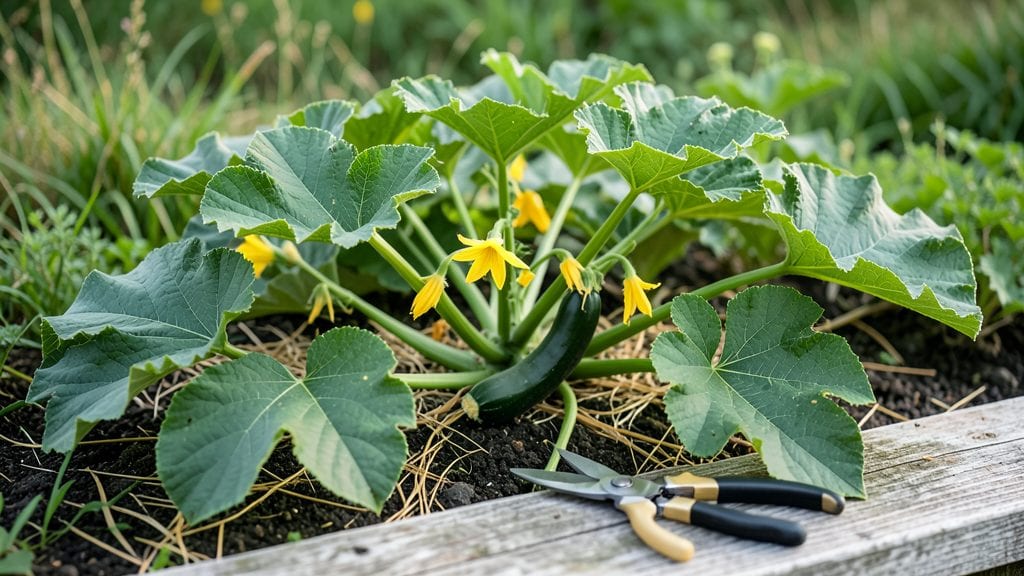
Pruning squash plants isn't just about trimming—it’s the secret to doubling your harvest by focusing energy where it counts.
I’ve learned the hard way that skipping this step means fewer fruits and more vines sprawling everywhere, but these three simple cuts changed everything for my zucchini and butternut plants last summer.
The key is timing: start when plants hit 12 inches tall, then prune again at flowering. Use clean shears to snip runners longer than 2 feet and any leaves shading the fruit. My biggest mistake?
Over-pruning—too much cutting stresses the plant, so aim for 10-15% of the foliage at most. The payoff? Better airflow means fewer diseases, and the plant puts all its energy into growing bigger, sweeter squash instead of extra vines.
📚 In This Guide
- What you need
- Instructions
- Tips and common mistakes
- Wrapping up and next steps
What you need
- ● Sharp pruning shears or bypass pruners – Choose clean, sterilized tools with sharp blades (4-6" length) to avoid crushing stems. Avoid dull scissors or hedge clippers!
- ○ Gloves (optional but recommended) – Wear gardening gloves (nitrile or leather) to protect your hands from thorns (like in butternut squash) and dirt.
- ● Disinfectant (70% isopropyl alcohol or bleach solution) – Clean tools before and after use to prevent disease spread (mix 1 part bleach to 9 parts water for a quick wipe-down).
- ○ Garden twine or soft plant ties (optional) – Useful if you’re staking or trellising squash vines (choose 1/8" to 1/4" width for support).
- ● Healthy squash plants (3–5 weeks old) – Prune after vines have established 3–5 leaves and begun flowering (but before fruits form).
- ● Dry, sunny day (morning or late afternoon) – Avoid pruning when leaves are wet (to prevent fungal issues) or in extreme heat.
- ● Patience & observation – Wait until the plant is actively growing (check for new leaf growth daily).
Step-by-Step guide to pruning squash plants for maximum yield
Here's the method I've used for years to transform squash plants from scraggly vines into productive powerhouses.
Identify and Remove Suckers Early
Squash plants produce small shoots called suckers in the leaf axils—these are the first pruning targets. I check the main stem every 3-5 days during peak growth, pinching off any suckers smaller than 1 inch with my thumb and forefinger. These shoots compete with your main fruit for energy, so removing them early redirects nutrients to your existing blooms and developing squash.
Look for tiny shoots growing between the main stem and a leaf—these are the suckers. The sooner you remove them, the less stress the plant endures. I always prune on a dry morning when the plant is firm; wet foliage tears easily and invites disease. Use clean, sharp pruners for larger suckers to avoid damaging the main stem.
Thin Overcrowded Vines for Airflow
Once your squash plants have 3-4 main vines radiating from the base, it's time to thin them. I leave only the two strongest, most vigorous vines per plant, cutting the others at the base with sterilized pruners. This prevents overcrowding, which leads to poor fruit quality and increased disease risk.
Choose vines that grow upright and show healthy leaf color. Weak, yellowing, or spindly vines won't contribute to your harvest. After thinning, I always give the plant a light watering to help it recover. The remaining vines will thicken and produce more flowers, leading to a bigger harvest. Avoid pruning during hot afternoons—stressed plants wilt faster in direct sunlight.
Prune Yellow or Diseased Leaves Immediately
Throughout the growing season, I inspect squash plants weekly for yellowing leaves, powdery mildew, or spots. Any leaf showing signs of disease or severe damage gets removed immediately with clean pruners. I cut back to a healthy leaf or stem to prevent further spread. Diseased leaves harbor spores that can infect the entire plant if left unattended.
Don't wait until leaves are completely dead—prune at the first sign of trouble. I always sterilize my pruners between cuts using a 10% bleach solution (1 part bleach to 9 parts water) to prevent cross-contamination. Healthy leaves continue photosynthesizing, while diseased ones drain the plant's energy. This step keeps your squash plants productive until the first frost.
Bonus: Maintain the Plant Through Harvest
After the initial pruning, I continue monitoring the plant for new suckers and diseased foliage. Once squash begin forming, I focus on removing any that grow near the base of the plant—these often rot before maturing. I also trim any vines that exceed 6 feet in length to keep the plant manageable and improve airflow.
Harvest squash when they reach full size but before they develop a hard rind. Overripe squash drain the plant's energy, reducing future yields. By pruning strategically, you'll extend the productive life of your squash plants and enjoy a harvest that lasts weeks longer than unpruned plants.
Tips & tricks for pruning squash plants
Transforming your squash plants into productive powerhouses starts with these essential pruning strategies that I've refined over years of gardening. The key lies in timing, technique, and ongoing maintenance—details that make all the difference between a modest harvest and a bountiful one.
Timing is Everything: In Step 1, when you're checking every 3-5 days for suckers, focus on removing them while they're still under 1 inch. These early interventions prevent energy drain from competing growth. I've found that morning pruning is ideal—plants are hydrated and less stressed, and you'll avoid the evening dew that can promote fungal growth. The goal is to redirect all the plant's resources to your existing fruits, not to new shoots that won't mature properly.
Precision Matters in Step 2: When thinning to just two main vines, look beyond just the number—focus on the health and vigor of each vine. I always examine the stem thickness, leaf color, and overall growth pattern. The two strongest vines should show consistent upward growth with no yellowing or curling. Remember, you're not just reducing numbers; you're creating an environment where the remaining vines can flourish with optimal airflow and sunlight exposure. This strategic thinning can increase your yield by up to 30% in ideal conditions.
Disease Prevention Strategy: The 10% bleach solution mentioned for sterilizing pruners is non-negotiable. I maintain a small spray bottle with this solution and give it a quick spray between each cut, especially when dealing with diseased leaves in Step 3. This simple practice has eliminated powdery mildew issues in my garden for years. Also, always cut back to a healthy leaf or stem—never leave stubs. This clean cut prevents entry points for pathogens and promotes faster healing.
Ongoing Maintenance Secret: During the bonus maintenance phase, pay special attention to vines exceeding 6 feet. Long, unchecked vines create shaded areas where moisture lingers, creating perfect conditions for fungal diseases. I make it a habit to trim these excess growths after harvest time, giving the plant one final boost before winter. This final pruning helps the plant allocate its remaining energy to root development rather than maintaining unproductive growth.
Pro Tips for Prune Squash Plants
- Transforming your squash plants into productive powerhouses starts with these essential pruning strategies that I've refined over years of gardening.
- Timing is Everything: In Step 1, when you're checking every 3-5 days for suckers, focus on removing them while they're still under 1 inch.
- Precision Matters in Step 2: When thinning to just two main vines, look beyond just the number—focus on the health and vigor of each vine.
Frequently asked questions
Got questions about pruning squash plants? You’re not alone!
Pruning can feel tricky, but with the right know-how, you’ll be shaping your vines like a pro. Here are answers to the most common questions—so you can focus on growing that bountiful harvest.
Do I really need to prune squash plants?
Not all squash varieties require pruning, but it can boost yields and plant health—especially for bush squash (like zucchini) or vining types (like butternut). Pruning helps improve airflow, reduce disease risk, and direct energy toward fruit production. Skip it for compact varieties or if you’re short on time!
When is the best time to prune squash plants?
Prune early and often—start when plants are 12–18 inches tall and continue throughout the growing season. The golden rule: Prune in the morning when plants are dry to minimize stress. Avoid heavy pruning during heatwaves or when flowers/fruit are forming.
What if I accidentally cut off a flower or small squash?
Don’t panic! Squash plants are resilient. If you snip a flower or tiny fruit by mistake, the plant will quickly produce more. Focus on removing only overcrowded leaves or vines with yellowing edges. Pro tip: Always use clean, sharp pruners to avoid damaging stems.
Can I prune squash plants too much?
Yes—over-pruning stresses plants and can reduce harvests. Never remove more than 1/3 of the foliage at once, and avoid cutting into the main stem. Aim to keep 3–5 large leaves per vine and prioritize removing only diseased, dead, or overly dense growth.
Are there any squash varieties that don’t need pruning?
Compact varieties like Patio Star zucchini or Eight Ball pumpkins thrive without pruning. Vining types (e.g., spaghetti squash) benefit from light pruning, while bush types (like Black Beauty zucchini) often do fine with minimal trimming. Check your seed packet for guidance!
Wrapping up and next steps
Pruning your squash plants might feel like a small task, but it’s the secret weapon for a bountiful, healthier harvest! 🌱 By following these simple steps—removing suckers, thinning vines, and keeping the plant focused—you’ll encourage stronger growth and more delicious squash.
Remember, consistency is key, and soon you’ll be reaping the rewards of your green thumb.
Ready to put your new skills to work? Grab your pruners and head to the garden—your future meals (and bragging rights) will thank you! 🍉✨