
Pruning
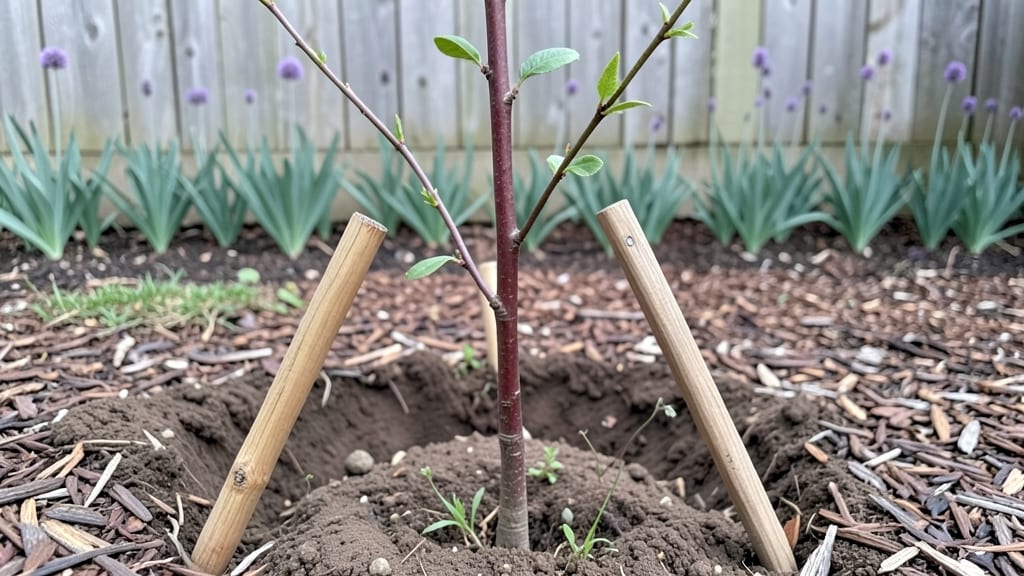
Supporting a newly planted tree isn’t just about staking—it’s about giving it the best shot at thriving for decades. I’ve seen trees flop over from too-tight stakes or dry out from poor mulching, and I’m here to show you how to do it right the first time.
The key is balance: enough support to keep it upright, but not so much that you strangle its growth.
You’ll need two sturdy stakes (not flimsy ones that bend), tree ties (wide fabric, never wire), mulch (3–4 inches of wood chips or shredded bark), and a watering can with a long spout.
Most mistakes happen because people skip the basics—like forgetting to loosen the ties as the tree grows or piling mulch too high against the trunk. Trust me, those small details make all the difference.
By the end of this, your tree will stand tall with roots that dig deep and a trunk that strengthens naturally. The stakes will stay in place just long enough to let the roots catch hold, and the mulch will keep moisture locked in while protecting the soil from compaction.
It’s not magic—just the right technique applied with care.
Works for young shade trees, fruit trees, or even newly transplanted ornamentals. The same principles apply whether you’re planting in spring or fall, as long as you adjust for your local frost dates.
Let’s get that tree off to a strong start—it’s the foundation for years of shade, fruit, or beauty.
📚 In This Guide
- What you need
- Instructions
- Tips and common mistakes
- Wrapping up and next steps
What you need
- ● Tree stakes: 2–4 wooden or metal stakes (3/4"–1" diameter, 4–6 ft long)
- ● Pro tip: Use galvanized or cedar stakes to prevent rust or rot.
- ● Tree tie or strap: 1–2 soft, stretchable ties (e.g., tree straps, burlap strips, or plastic tree savers)
- ● Pro tip: Avoid wire or tight materials—they can girdle the trunk as it grows!
- ● Mulch: 3–4 inches of organic mulch (e.g., wood chips, shredded bark, or straw)
- ● Pro tip: Keep mulch 3–4 inches away from the trunk to prevent rot.
- ● Shovel or spade: 1 medium-sized digging tool (for adjusting soil and stakes)
- ● Measuring tape or ruler: To ensure stakes are placed at the correct angle (45° from vertical).
- ● Watering can or hose: For immediate post-planting hydration.
- ● Tree guard or collar: Protects the trunk from pests and lawnmowers.
- ● Soil conditioner: Compost or mycorrhizal fungi to boost root health.
- ● Post-hole digger: For easier stake placement in hard soil.
- ● Garden kneeler: Makes mulching and tying more comfortable!
Step-by-step guide to supporting a newly planted tree
Here’s how to ensure your young tree stands strong and thrives for years.
Choose the Right Staking Materials
Use two 4-foot wooden stakes (not metal—they conduct heat and can damage the tree) and a 1-inch-wide tree tie made of soft, breathable material like nylon or cotton. Avoid wire ties, which can cut into the bark as the tree grows. Place the stakes about 12 inches from the tree trunk, angled slightly outward to create a triangle with the tree’s base. This prevents the tree from leaning against the stakes and becoming dependent on them.
Drive the stakes 6 inches deep into the soil on opposite sides of the tree. You’ll want them stable enough to resist wind but not so rigid that they restrict natural movement. A slight give helps the tree develop stronger root systems over time. If your soil is rocky or hard, use a post-hole digger to create deeper holes for better anchoring.
Secure the Tree with Proper Ties
Wrap the tree tie around the tree trunk and the stakes in an X or figure-eight pattern, ensuring it’s snug but not tight enough to leave indentations in the bark. The tie should allow for some movement—about 1 inch of side-to-side sway—so the tree isn’t locked in place. Tighten the tie just enough to prevent excessive leaning in strong winds, then trim off any excess material to avoid tangling.
Check the ties every 2-3 months and loosen them as the tree grows. A good rule of thumb is to leave at least 1 inch of space between the tie and the bark. If the tie starts to degrade or the tree outgrows it, replace it immediately. Never leave a tie on for more than 1-2 years, as prolonged pressure can girdle the trunk.
Apply Mulch for Moisture and Stability
Spread 3 inches of organic mulch (like wood chips or shredded bark) in a 3-foot-wide circle around the tree, keeping it 6 inches away from the trunk to prevent rot. Mulch helps retain moisture, regulates soil temperature, and reduces weed competition. Use a rake to spread it evenly, avoiding piles that could trap excess water against the trunk.
Water the mulched area deeply after application to settle it into the soil. Over time, the mulch will break down and improve soil structure, but replace it annually to maintain its protective layer. Avoid using rocks or inorganic mulch, as they don’t provide the same benefits for soil health and moisture retention.
Monitor and Adjust Support Over Time
After 6-12 months, reassess whether the tree still needs staking. If the stakes are no longer necessary, remove them gradually to avoid shocking the tree. Cut the ties first, then pull the stakes out at a slight angle to minimize root disturbance. Even with stakes, the tree should develop enough root strength to stand alone within 2-3 years in most cases.
Watch for signs of stress, like leaning, cracked bark, or ties embedded in the trunk. If you notice any of these, adjust the ties or remove the stakes immediately. A well-supported tree should show steady growth—new leaves, thicker stems, and a straight trunk—without relying on artificial support. Regular checks ensure your tree grows naturally and stays healthy long-term.
Tips & tricks for supporting a newly planted tree
These practical tips will help you avoid common pitfalls and ensure your young tree grows strong and healthy with proper support.
The Stake Placement Secret: When positioning your 4-foot wooden stakes, imagine forming an equilateral triangle with the tree at the center. This creates a natural support system that distributes wind resistance evenly. I like to use a small hammer to tap the stakes at a slight angle—about 15 degrees outward—so they don't create a rigid structure that could actually inhibit root development. Remember, the stakes should provide stability without becoming a crutch.
Tree Tie Technique: The X or figure-eight pattern for your 1-inch-wide tree tie is crucial for even pressure distribution. I've learned the hard way that wire ties can actually cut into the bark as the tree grows, so always use soft, breathable materials. When tightening, think of giving the tree just enough support to prevent excessive leaning—about 1 inch of side-to-side sway is ideal. This movement helps the tree develop stronger trunk muscles naturally.
Mulch Application Insight: When spreading your 3 inches of organic mulch, use a rake to create a gentle slope away from the trunk. This prevents water from pooling against the bark, which can cause rot. I recommend using wood chips or shredded bark as they break down slowly, improving soil structure over time. The 3-foot-wide circle gives roots plenty of room to expand while keeping weeds at bay.
Long-Term Monitoring Strategy: After the initial 6-12 months, make it a habit to check your tree's support system every season. Look for signs that the tree has developed enough strength to stand alone—new leaves, thicker stems, and a straight trunk are all good indicators. I've seen trees that were staked for too long become dependent on the support, so don't hesitate to remove stakes gradually if they're no longer needed.
Pro Tips for Support A Newly Planted Tree
- These practical tips will help you avoid common pitfalls and ensure your young tree grows strong and healthy with proper support.
- The Stake Placement Secret: When positioning your 4-foot wooden stakes, imagine forming an equilateral triangle with the tree at the center.
- Tree Tie Technique: The X or figure-eight pattern for your 1-inch-wide tree tie is crucial for even pressure distribution.
Frequently asked questions
Got questions about keeping your newly planted tree thriving? You’re not alone—here are some of the most common concerns and quick answers to set you up for success.
How long should I support a newly planted tree?
Most trees need support for 1–2 years, depending on species, soil conditions, and wind exposure. Young trees with shallow roots (like willows or birches) may need longer support, while sturdy oaks or maples can often transition to independence sooner. Always check the stake’s integrity—if it’s bending or rusting, replace it!
What’s the best way to tie a tree to its stake without damaging the trunk?
Use a soft, flexible tie (like tree tie straps or wide fabric strips) and secure it in a figure-eight pattern around the trunk and stake. Avoid tight knots—leave room for the tree to sway slightly (about 1–2 inches of give) to strengthen its stem naturally. Check ties every 3–6 months to prevent girdling as the trunk grows.
Should I water my tree every day after planting?
No—overwatering can suffocate roots! Water deeply 2–3 times per week (or more in extreme heat) for the first year, ensuring moisture reaches 12–18 inches below the soil. Mulch heavily (3–4 inches) to retain moisture, but keep mulch away from the trunk to prevent rot. Adjust based on rainfall: let the top inch of soil dry out between waterings.
What if my tree’s leaves turn yellow or wilt after planting?
Yellowing leaves often signal transplant shock (stress from uprooting) or over/under-watering. Wilted leaves could mean root damage or heat stress. First, check soil moisture—neither soggy nor bone-dry soil is ideal. If the tree was planted in hot weather, provide dappled shade for a few weeks. For severe wilting, soak the root zone and monitor closely.
Can I remove the support stakes too soon?
Yes—and it might cause permanent damage! If you remove stakes before the tree’s root system stabilizes, it can lean, fall over, or develop a weak, crooked trunk. Test stability first: Gently tug the tree at the base. If it resists movement, it’s ready. For large trees, consider gradually loosening ties over a season to let the trunk strengthen.
Wrapping up and next steps
Supporting a newly planted tree isn’t just about immediate stability—it’s an investment in its future health and growth. 🌱 By choosing the right stakes, mulching wisely, and monitoring progress, you’re giving your tree the best chance to thrive. Remember, consistency is key, so check in regularly and adjust as needed.
Now that you’re armed with the know-how, take action! Grab your tools and give your tree the sturdy support it deserves. Your efforts today will reward you with a strong, beautiful tree for years to come.