
How To
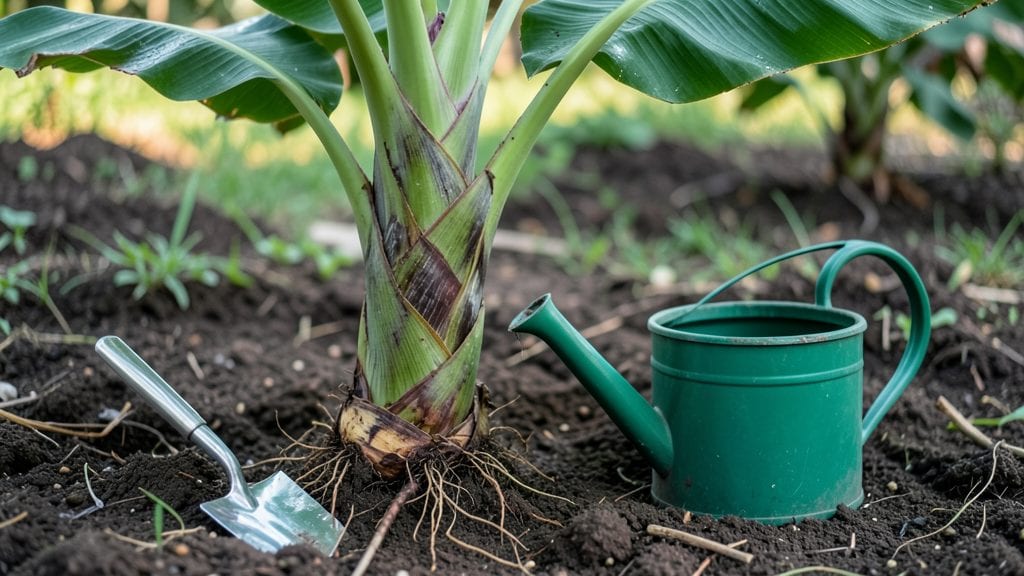
Transplanting banana plants isn't as intimidating as it sounds—once you know the right timing and techniques, you'll end up with a thriving plant that rewards you with bigger harvests. 🌱 I learned the hard way that rushing this process leads to shock and stunted growth, but following these steps ensures your banana thrives in its new spot.
The secret lies in moving them during the rainy season or early spring when temperatures are mild, and the soil stays consistently moist. Dig a hole twice as wide as the root ball but only as deep, then loosen the roots gently before placing the plant in.
Water deeply right after transplanting to help settle the soil and reduce stress—this single step cuts shock by half.
📚 In This Guide
- What you need
- Instructions
- Tips and common mistakes
- Wrapping up and next steps
What you need
- ● Banana plants: 1–3 healthy suckers (pups) per mature plant, with roots at least 6–12 inches long.
- ● Shovel or spade: A sharp, medium-sized (18–24 inches) digging tool for minimal root damage.
- ● Pruners or shears: Sterilized (rubbing alcohol wipe) to trim excess leaves or roots.
- ● Garden gloves: Heavy-duty to protect against thorns and soil-borne pathogens.
- ● Wheelbarrow or bucket: For transporting plants and soil (5+ gallons capacity).
- ● Watering can or hose: With a gentle spray nozzle for hydration.
- ● Organic mulch: Straw, wood chips, or pine needles (2–3 inches thick) to retain moisture.
- ● Compost or well-aged manure: 1–2 buckets per plant to enrich the new soil.
- ● Rooting hormone: Powder or gel to boost survival rates (especially for tropical climates).
- ● Soil test kit: To check pH (ideal: 5.5–7.0) and nutrient levels before transplanting.
- ● Support stakes or trellis: For windy areas (6–8 feet tall, 2-inch diameter).
- ● Shade cloth (30–50% coverage): Temporary protection for the first 2 weeks post-transplant.
- ● Drip irrigation system: Automates watering for consistent moisture.
Step-by-step instructions for transplanting banana plants
Moving banana plants feels intimidating, but with the right timing and technique, you'll have thriving plants ready for even bigger harvests.
🌱 Step 1: Choose the Right Time and Location
Transplant banana plants during their dormant season, which is late fall or early winter in most climates. This gives roots time to establish before the growing season kicks in. Pick a spot with full sun exposure (6+ hours daily) and well-draining soil—bananas hate soggy roots. I dig a hole twice as wide as the root ball but only slightly deeper, since bananas prefer to sit just below ground level.
If your soil is heavy or clay-based, mix in a few shovelfuls of compost to improve drainage. The new hole should be at least 6 feet apart from other banana plants to give them room to spread their large leaves and roots. Here's the thing—bananas grow fast, so don't skimp on space.
🪴 Step 2: Prepare the Plant and Dig Carefully
Water the banana plant 2-3 days before transplanting to reduce stress. This helps the roots stay flexible and minimizes damage during removal. Use a sharp spade to dig around the root ball, keeping it intact—breakage here means slower recovery. I like to wrap the root ball in burlap or old towels to protect it during transport.
If your banana plant is large, you might need help to lift it out. Once out of the ground, gently loosen any circling roots with your fingers—this encourages outward growth. Don't trim healthy roots, but if you see damaged ones, snip them cleanly with sterilized pruners. The goal is to keep as much root structure intact as possible.
☀️ Step 3: Plant and Support the Transplanted Banana
Lower the banana plant into the prepared hole, positioning it so the base of the trunk sits just below soil level. Fill the hole with soil, pressing gently to remove air pockets but not compacting too tightly. Water deeply right after planting to settle the soil and eliminate air gaps around the roots.
Banana plants need support as they grow. Install a sturdy stake or bamboo pole near the plant and tie the main stem loosely with soft plant ties or strips of fabric. You'll see new leaves emerge within a few weeks—that's your signal everything is working. Just don't overtighten the ties as the trunk thickens.
💧 Step 4: Water and Mulch for Recovery
Keep the soil consistently moist (but not waterlogged) for the first 4-6 weeks after transplanting. Water deeply every 2-3 days until the top 6 inches of soil feel damp. Mulch around the base with 2-3 inches of organic mulch to retain moisture and regulate soil temperature. I use straw or wood chips because they break down slowly and add nutrients over time.
Watch for new growth as a sign of successful transplanting. If the leaves start to yellow or wilt, it could mean overwatering or poor drainage. Bananas are tropical plants—they'll tell you what they need through their leaves. Adjust your watering based on what you see, and avoid fertilizing for the first 3 months to let the roots focus on establishing.
✂️ Step 5: Prune and Protect for Long-Term Health
Once the plant shows signs of recovery (new leaves, firm stems), you can prune any damaged or dead leaves to redirect energy to growth. Cut back only what's necessary—bananas are heavy feeders and need all their strength. If your climate gets cold, wrap the base of the plant with burlap or a thick layer of mulch to protect it from frost.
Here's the moment that matters: After 6 months, your transplanted banana should look just as strong as it did before. You'll see thicker stems, larger leaves, and maybe even a few baby suckers at the base—that's how you know it's thriving. Keep an eye out for pests like aphids or banana weevils, and treat them early with neem oil or insecticidal soap.
Tips & tricks for transplanting banana plants
Here's what I've learned from years of moving banana plants—and how to avoid the mistakes that can set your transplant back.
Timing is Everything: Late fall or early winter is your best bet for transplanting, but if you're in a warmer climate, aim for the cooler months when growth naturally slows. I once transplanted in summer and watched my plant struggle for months to recover—don't make that mistake! The dormant season gives roots time to establish without competing with active growth.
Root Care Makes All the Difference: When digging, focus on keeping that root ball intact—it's the lifeline of your plant. I've seen people rush this step and end up with broken roots that take forever to recover. If you must transport the plant, wrap the root ball in burlap or even an old towel to protect it. And here's a secret: gently loosening circling roots with your fingers (not cutting!) encourages outward growth, which helps the plant spread faster.
Support System Saves Struggle: Banana plants grow tall and heavy, so that stake you install in Step 3 isn't just decorative—it's essential. I've seen plants lean dangerously without support, and once a strong breeze snapped an unsupported trunk. Use a sturdy bamboo pole or metal stake, and tie the stem loosely with fabric strips (not wire, which can cut into the plant). The ties should be snug enough to hold but loose enough to allow the trunk to thicken over time.
Watering Wisdom: The first 4-6 weeks after transplanting are critical for moisture. I can't stress enough how important it is to keep that soil consistently damp but never soggy. Water deeply every 2-3 days, and check the top 6 inches of soil—it should feel moist, not dry. Mulching with 2-3 inches of straw or wood chips helps maintain that moisture and regulates soil temperature, which is especially helpful in hot climates where water evaporates quickly.
Pro Tips for Transplant Banana Plants
- Here's what I've learned from years of moving banana plants—and how to avoid the mistakes that can set your transplant back.
- Timing is Everything: Late fall or early winter is your best bet for transplanting, but if you're in a warmer climate, aim for the cooler months when growth naturally slows.
- Root Care Makes All the Difference: When digging, focus on keeping that root ball intact—it's the lifeline of your plant.
Frequently asked questions
Got questions about transplanting banana plants? You’re not alone! Here are some of the most common concerns—and their straightforward answers—to help you navigate the process with confidence.
When is the best time to transplant banana plants?
Transplant banana plants during their dormant season (late fall or early winter in cooler climates) or after they’ve flowered but before new shoots emerge. Avoid extreme heat or frost—bananas hate stress! If you’re in a tropical zone, aim for the wet season when soil is moist and roots can establish faster.
How do I know if my banana plant is ready to be moved?
Look for these signs: mature pseudostems (trunks) at least 3–4 feet tall, a well-developed root system (roots should fill a 1–2 gallon container), and no visible pests or disease. If the plant is top-heavy or leaning, it’s a good candidate for relocation—just handle it gently to avoid snapping the stem!
Can I transplant a banana plant with fruit on it?
While it’s possible, it’s not ideal. Transplanting a fruiting banana plant adds stress, which can cause fruit drop or stunted growth. If you must move it, do so early in the fruiting stage (when bunches are small) and keep the plant well-watered. Consider waiting until after harvest for the best results.
What if my transplanted banana plant isn’t growing after relocation?
Don’t panic! Slow growth is normal for the first 4–6 weeks as roots adjust. Check for root rot (yellowing leaves, mushy stems) or transplant shock (wilted leaves). Improve drainage, mulch heavily, and avoid overwatering. If leaves turn brown and crispy, it might be sunburn—provide shade until it recovers.
Are there alternatives to digging up the whole plant?
Yes! For smaller or delicate banana plants, try top-working (grafting a new variety onto an existing plant) or pupping (removing and replanting offsets). If you’re dealing with a large mature plant, consider container growing—bananas thrive in 15+ gallon pots with proper drainage. Just ensure the container is stable to support the plant’s weight!
Wrapping up and next steps
Transplanting banana plants doesn’t have to be intimidating—with the right prep, timing, and care, you’ll give your tropical friends a thriving new home! 🌱 Remember to choose the perfect spot, handle the roots gently, and keep them hydrated for a smooth transition.
Your patience will pay off with lush foliage and sweet, homegrown bananas in no time.
Ready to take the next step? Monitor your plant’s progress over the next few weeks, adjust care as needed, and soon, you’ll be enjoying the rewards of your hard work. Happy gardening!