
Pruning
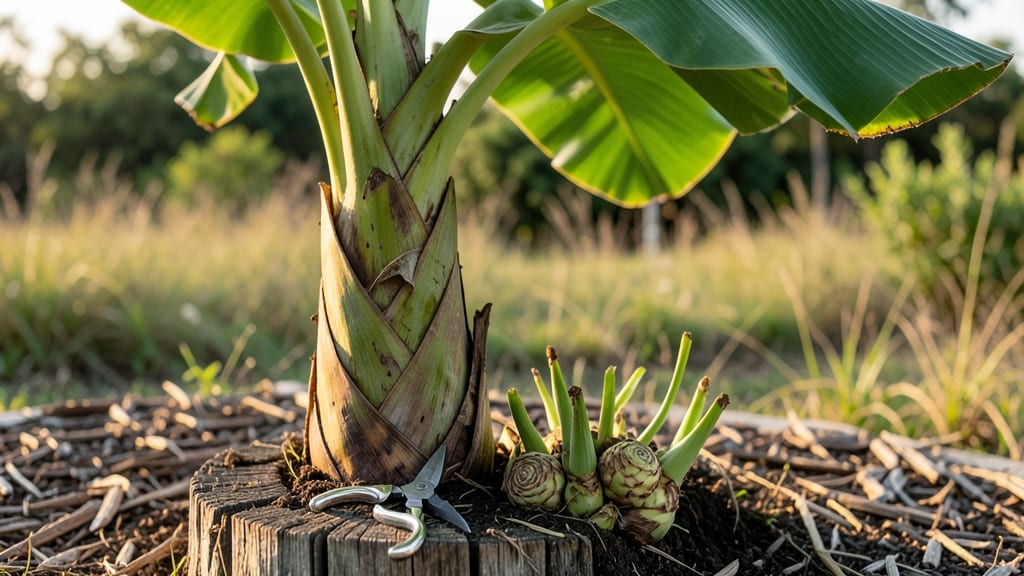
Trimming banana plants can double your harvest if you do it right. 🌿 I used to avoid it—until I learned how cutting back the old stems actually signals the plant to send energy into new growth and fruit production.
The key is timing, tools, and knowing which parts to keep (and which to remove).
You’ll need sharp pruners or a machete for thick stems, gloves to protect against jagged edges, and a bucket for the cut pieces. The best time to trim is after harvest, when the plant’s energy shifts naturally toward recovery.
Never cut into the growing point at the center—this is where next year’s fruit will form.
After trimming, you’ll see fresh, vibrant shoots emerge within weeks, and the plant will focus its energy on producing bigger, more abundant fruit next season. The old stems can even be composted or used as mulch. It’s shocking how much healthier the plant looks after just a few clean cuts.
This method works for both tropical and subtropical climates, though timing varies slightly by zone. The first time I tried it, my plant went from struggling to thriving—with fewer pests and more fruit. Let’s get those pruners ready!
📚 In This Guide
- What you need
- Instructions
- Tips and common mistakes
- Wrapping up and next steps
What you need
- ● Pruning shears or loppers: Sharp, clean, and disinfected (7–10" blades, bypass-style preferred for precision). Quantity: 1 pair.
- ● Gloves: Heavy-duty gardening gloves (nitrile-coated for grip and protection). Quantity: 1 pair.
- ● Disinfectant: 70% isopropyl alcohol or a 10% bleach solution (to sterilize tools between cuts). Quantity: Small bottle or spray.
- ● Compost or mulch: Organic matter (e.g., shredded leaves, coconut coir) to cover the base after trimming. Quantity: Enough to layer 2–3" thick.
- ● Watering can or hose: For post-trimming hydration (avoid overhead watering to prevent fungal risks).
- ○ Markers or flags: Optional but helpful—use biodegradable stakes or masking tape to label healthy vs. dead pseudostems.
- ● Pruning saw: For thick, woody pseudostems (if loppers struggle).
- ● Fungicide spray: Copper-based or neem oil to prevent disease if the plant looks stressed.
- ● Garden twine or zip ties: To temporarily support weak stems post-trimming.
- ● Camera or phone: Snap progress pics—because banana plant transformations are that satisfying!
Step-by-step guide to reviving your banana plant through strategic trimming
Here's how to breathe new life into your banana plant with three simple, high-impact cuts.
🌱 Step 1: Identify and Remove Dead or Damaged Leaves
Start by examining your banana plant's leaves from top to bottom. Look for any that are completely brown, yellowed all the way through, or torn beyond repair. These leaves are no longer contributing to the plant's health—they're just draining energy. I grab each leaf at the base and gently wiggle it to test its attachment. If it comes away easily, it's ready to go.
Use clean, sharp pruners or shears to cut each dead leaf at its base, making a clean slice about ½ inch above the stem. Avoid tearing the leaf—this can damage the plant's vascular system. You'll know you're doing it right when the cut feels firm and the leaf pulls away without resistance. I like to work in the early morning when the plant is well-hydrated and cuts heal faster.
✂️ Step 2: Prune Overcrowded or Weak Pseudostems
Banana plants grow from a central pseudostem (the thick, false trunk). If you notice multiple weak or spindly shoots growing from the base, these are competing for nutrients and light. Use your pruners to cut these back to about 2-3 inches above the soil line, leaving a small stub to prevent rot. I focus on the smallest shoots first—they're the least productive and easiest to remove.
For the main pseudostem, wait until it's fully mature and fruiting is complete before cutting it down. When the leaf blades turn completely brown and start drying out, it's time to trim. Cut the pseudostem at the base, leaving a 1-inch stub. This may seem drastic, but it encourages the plant to send up new, stronger shoots from the roots. I've seen plants bounce back with fresh growth within 4-6 weeks after this cut.
☀️ Step 3: Encourage New Growth with Proper Aftercare
After trimming, your banana plant will need extra care to recover. Water deeply at the base, soaking the soil until it's 6-8 inches wet. Avoid wetting the leaves to prevent fungal diseases. I use a hose with a gentle spray nozzle to avoid disturbing the soil. Let the top 2 inches of soil dry out between waterings—banana plants are surprisingly drought-tolerant once established.
Move your plant to a location with bright, indirect light for the first 2 weeks after trimming. Direct sun can stress newly cut plants, and they need time to recover. You'll see new shoots emerge from the base or roots within 3-6 weeks, depending on your climate. If you're in a cooler zone, consider wrapping the pseudostem in burlap or moving the plant indoors during winter to protect it from frost.
Tips & tricks for perfect banana plant revival
Here's what I've learned after helping my own banana plant bounce back from the brink—these tricks will give your plant the second chance it deserves.
Timing is Everything: The early morning is ideal for trimming because your plant is well-hydrated and cuts heal faster. I've found that working between 8-10 AM gives me the best results. Avoid trimming in hot afternoons—it stresses the plant and slows recovery. If you must trim later, make sure to water deeply beforehand to help the plant cope with the stress.
Tool Selection Matters: Using clean, sharp pruners is non-negotiable—dull tools can crush the stem and damage the plant's vascular system. I keep a dedicated pair of pruners just for my banana plants and sterilize them with rubbing alcohol between uses. For larger pseudostems, a small handsaw works better than shears. Always cut at a 45-degree angle to prevent water from pooling on the cut surface, which can lead to rot.
Don't Skip the Stub: Leaving that 1-inch stub when cutting down the main pseudostem might seem counterintuitive, but it's crucial. The stub protects the plant's crown from water damage and provides a natural barrier against pests. I've seen plants with clean cuts develop rot at the base, while those with proper stubs recover beautifully. This small detail makes all the difference in preventing post-trim complications.
Light Aftercare Strategy: That 2-week period of bright, indirect light is where many people go wrong. I've had plants placed back in direct sun too soon, which caused leaf scorch. Use sheer curtains or place your plant near an east-facing window to filter the light. If you're unsure about your light conditions, test with a single leaf—if it develops brown spots within a few days, move the plant to a shadier spot immediately.
Pro Tips for Trim Banana Plants
- Here's what I've learned after helping my own banana plant bounce back from the brink—these tricks will give your plant the second chance it deserves.
- Timing is Everything: The early morning is ideal for trimming because your plant is well-hydrated and cuts heal faster.
- Tool Selection Matters: Using clean, sharp pruners is non-negotiable—dull tools can crush the stem and damage the plant's vascular system.
Frequently asked questions
Got questions about trimming banana plants?
Here are answers to the most common ones—so you can keep your plants thriving without the guesswork!
When is the best time to trim a banana plant?
Trim your banana plant after it produces fruit and the pseudostem starts drying out (usually late fall or winter in tropical climates). Avoid trimming during active growth or flowering—this stresses the plant. If you’re in a cooler zone, wait until frost risk passes for spring trimming.
What if I cut too much off my banana plant?
Over-trimming (removing more than 1/3 of the pseudostem) can weaken the plant or even kill it. Focus on removing only the dried-out leaves and the old pseudostem at the base. If you’ve already cut too much, reduce watering slightly and fertilize lightly to help recovery.
Can I use banana plant trimmings for anything else?
Dry and compost the trimmed leaves for nutrient-rich mulch, or use them as mulch around other plants to retain moisture. The fibrous pseudostem can even be chopped up for natural weed barrier fabric. Just avoid composting diseased or pest-infested trimmings.
Will trimming my banana plant produce more fruit?
Not directly—trimming helps revitalize the plant for future fruit production. A well-maintained banana plant can produce 1-2 bunches per year, but trimming ensures it stays healthy enough to flower again. Think of it like giving your plant a fresh start for next season’s harvest!
How do I know if my banana plant needs trimming?
Watch for these signs:
- Yellowing or drying leaves at the base (a natural sign of aging).
- A hollow, brown pseudostem (the "trunk").
- New shoots emerging from the base (a sign the plant is ready to regrow).
Wrapping up and next steps
Trimming your banana plant isn’t just about keeping it neat—it’s the secret to stronger growth, bigger harvests, and a healthier plant! 🌱 By following these simple steps, you’ll encourage new shoots, prevent disease, and give your banana plant the care it deserves.
Now that you’re armed with the know-how, there’s no better time to roll up your sleeves and get pruning.
Ready to see your banana plant thrive? Pick a sunny day, gather your tools, and start trimming today! Your future fruit will thank you.