Container Gardens
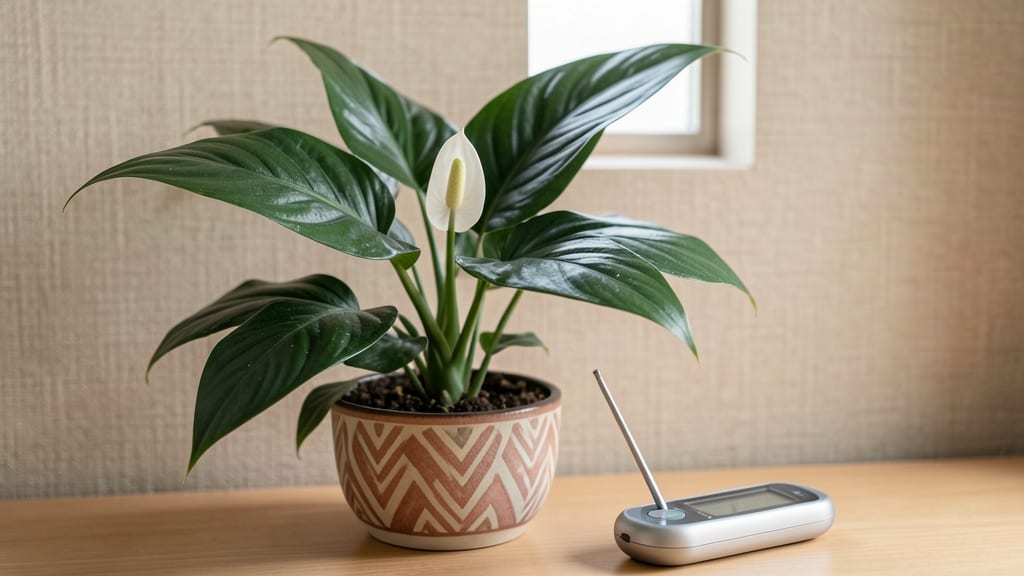
The indoor plants white I’ve chosen—like the velvety Sansevieria 'Moonshine' or the glossy Zamioculcas 'White ZZ'—transform dull corners into luminous focal points with almost no effort. ✨ the effect is pure, effortless sophistication.
The best part? They thrive in spaces where other plants would struggle, making them the perfect solution for busy lives and low-light areas.
These plants aren’t just pretty—they’re built to survive. Most handle moderate light, infrequent watering, and even the occasional forgotten watering schedule (yes, really).
Pair a Calathea 'White Fusion' with a ceramic pot in a Scandinavian-style corner, or let a Hoya 'White Pearl' cascade from a minimalist shelf for a touch of organic texture. The key is matching their care needs to your space—no green thumb required.
Imagine waking up to sunlight filtering through leaves that look like snow, or running your fingers over foliage so bright it feels almost unreal. That’s the magic of white indoor plants: they reflect light better than dark varieties, making rooms feel larger and airier.
With the right placement, you’ll create a serene, modern aesthetic that feels intentional—even if you’re just starting your plant collection.
Whether you’re styling a cozy nook or a high-traffic living area, these plants adapt effortlessly. Start with one variety to test your space, then layer in complementary textures—think woven baskets or matte finishes—to tie the look together. The result? A home that feels polished, alive, and uniquely yours.
📚 In This Guide
- What you need
- Instructions
- Tips and common mistakes
- Wrapping up and next steps
What you need
- ● White indoor plants: Choose from low-maintenance varieties like Sansevieria (Snake Plant), ZZ Plant, or White Kimono Calathea (1-3 plants, depending on space).
- ● Containers: 1-2 pots with drainage holes (6-10 inches in diameter for medium-sized plants). Opt for white, ceramic, or terracotta for a cohesive look.
- ● Well-draining potting mix: 1-2 bags of high-quality soil blend (e.g., cactus/succulent mix or all-purpose mix with perlite).
- ● Drainage layer: Small pebbles, gravel, or broken pottery (1-2 inches thick per pot).
- ○ Gloves (optional): For handling soil or spiky plants like Snake Plants.
- ● Watering can or spray bottle: 1 with a narrow spout for precision.
- ○ Pruning shears (optional): Small pair for trimming dead leaves.
- ○ Plant food (optional): Balanced liquid fertilizer (e.g., 10-10-10) or slow-release granules.
- ○ Decorative accents (optional): White pebbles, moss, or decorative stones for aesthetic flair.
- ● A bright, indirect-light spot (e.g., near a north or east-facing window).
- ● Access to room-temperature water (avoid tap water if it’s heavily chlorinated).
- ● Patience! These plants thrive with minimal fuss—perfect for busy schedules.
Step-by-step guide to selecting and caring for striking white indoor plants
Here's how to choose and maintain four showstopping white-flowered varieties that thrive indoors.
🌱 Step 1: Choose the Right White-Blooming Varieties for Your Space
Start with four proven white-flowering plants that adapt well to indoor conditions: Peace Lily (Spathiphyllum), African Violet (Saintpaulia), Kalanchoe (Kalanchoe blossfeldiana), and Bromeliad (Guzmania). Each brings a different texture and bloom cycle to your collection. Peace Lilies thrive in medium to low light and produce elegant white spathes, while African Violets deliver delicate white blooms under bright, indirect light.
Kalanchoes offer bold white clusters and prefer bright light, making them perfect for sunrooms. Bromeliads, with their striking white bracts, add tropical drama but require slightly higher humidity. Place each plant where its light needs are met—this ensures consistent blooming and prevents leggy growth. I always group them by light requirements to simplify care routines.
💧 Step 2: Establish Proper Watering and Humidity Routines
White-flowering Peace Lilies and African Violets need bottom-watering—place each pot in a saucer of water for 10-15 minutes, then drain excess. This prevents root rot while keeping soil evenly moist. Let the top 1 inch of soil dry out between waterings, but never let them sit in soggy conditions. Overwatering is the fastest way to kill these plants, especially in cooler indoor temperatures.
Kalanchoes and Bromeliads are drought-tolerant but still need consistent moisture. Water Kalanchoes when the top 2 inches of soil feel dry, and Bromeliads when the center leaves begin to wrinkle. Increase humidity for Bromeliads by placing their pot on a tray of pebbles and water—this mimics their tropical habitat without overwatering the roots. Mist African Violets lightly in the morning to prevent fungal issues.
☀️ Step 3: Position Plants for Optimal Light Exposure
African Violets and Kalanchoes need bright, indirect light—place them within 2-3 feet of an east or west-facing window. Too much direct sun bleaches their leaves, while insufficient light causes weak stems and sparse blooms. Rotate each pot quarter-turn weekly to encourage even growth. Peace Lilies adapt to medium to low light, making them ideal for bathrooms or north-facing rooms.
Bromeliads require moderate to bright indirect light—a 3-4 foot distance from a south-facing window works best. If leaves develop brown tips, they’re getting too much sun; if they stretch toward the light, they need more brightness. Adjust placement gradually to avoid shocking the plants. I always test light exposure by observing leaf color—deep green means perfect conditions, while pale or yellowing leaves signal a need for adjustment.
✂️ Step 4: Encourage Reblooming and Prune for Health
After blooms fade, trim spent stems just above the nearest leaf node to redirect energy into new growth. For Peace Lilies, pinch back leggy stems to encourage bushier foliage. African Violets benefit from deadheading—remove faded blooms with clean scissors to prevent seed pods from draining the plant. Kalanchoes need a 6-week dark period to rebloom; move them to a cool (60-65°F), dark closet for this period, then return to bright light.
Bromeliads are epiphytes—their "pups" (baby plants) grow at the base. Once the mother plant finishes blooming, remove it to allow pups to mature. Repot pups when they reach one-third the size of the parent, using fresh well-draining potting mix. Fertilize lightly every 4-6 weeks with a balanced liquid fertilizer (10-10-10) during active growth, but reduce feeding in winter when growth slows.
Tips & tricks for perfect indoor white-blooming plants
A few simple strategies will help your white-flowering plants thrive and keep blooming beautifully year after year.
Light Exposure Secrets: For African Violets and Kalanchoes, that 2-3 foot window distance is critical—use a ruler to measure precisely. I place my plants on a rotating tray that lets me adjust their position daily without moving the pots. This gradual rotation prevents uneven growth and ensures all sides get equal light exposure.
Watering Technique Refinement: When bottom-watering Peace Lilies and African Violets for those 10-15 minutes, use room-temperature water to avoid shocking the roots. I always check the soil's moisture by sticking my finger in—if it feels damp just below the top inch, wait another day. Overwatering is the silent killer of these elegant plants, especially in cooler indoor temperatures.
Reblooming Strategy: That 6-week dark period for Kalanchoes at 60-65°F is non-negotiable for reblooming. I use a small closet with a timer light that automatically turns on for just 2 hours a day during this period. This mimics natural daylight cycles without requiring constant attention. The result? Stunning white clusters that appear reliably every 8-12 months.
Humidity Hacks: For Bromeliads, create a DIY humidity tray by filling a shallow dish with pebbles and water, then placing the pot on top. The pebbles prevent root rot while the evaporating water increases humidity around the plant. I also group my Bromeliads with other tropical plants to create a mini humidity microclimate—this works beautifully for Peace Lilies too.
Pro Tips for Indoor Plants White
- A few simple strategies will help your white-flowering plants thrive and keep blooming beautifully year after year.
- Light Exposure Secrets: For African Violets and Kalanchoes, that 2-3 foot window distance is critical—use a ruler to ...
- Watering Technique Refinement: When bottom-watering Peace Lilies and African Violets for those 10-15 minutes, use roo...
Frequently asked questions
Got questions about keeping your indoor plants white and thriving? You’re not alone! Here are some of the most common concerns—plus quick, easy solutions to keep your space fresh and elegant.
Why are my white-leaved plants turning yellow or brown?
Yellowing or browning on white foliage (like Sansevieria 'Moonshine' or Zebra Plant) usually signals overwatering or low humidity. Let the top 1–2 inches of soil dry out between waterings, and mist leaves occasionally. If edges crisp, it’s too dry—group plants together to boost humidity!
How often should I water white indoor plants?
Most white-leaved plants (e.g., Snake Plant, White Kimono Calathea) thrive on infrequent watering. Water every 2–3 weeks (or when soil is bone-dry), but adjust for your climate. Pro tip: Use a moisture meter or the "finger test" to avoid soggy roots!
Can I keep white plants in low-light areas?
Some white varieties (like Peace Lily or Cast Iron Plant) tolerate low light, but others (e.g., White Bird of Paradise) need bright, indirect light. If leaves lose vibrancy, rotate the pot weekly or move it near a north-facing window. Avoid direct sun—it can scorch delicate foliage!
Do white plants need special fertilizer?
Nope! Use a balanced, water-soluble fertilizer (like 10-10-10) diluted to half-strength every 2–3 months during spring/summer. White plants (e.g., White Striped Dracaena) don’t need extra nutrients, but a light feed keeps them lush. Skip fertilizer in winter—they’re dormant!
What’s a low-maintenance white plant for beginners?
Start with these foolproof picks:
- Snake Plant ('Moonshine'): Tolerates neglect, purifies air.
- ZZ Plant ('Raven'): Nearly indestructible, thrives in shade.
- Pothos ('Marble Queen'): Trailing white variegation, easy to propagate.
Wrapping up and next steps
Bringing indoor plants with white foliage into your home isn’t just about aesthetics—it’s about creating a serene, vibrant space that’s easy to care for. From the striking Snake Plant to the delicate Peperomia, these plants add a touch of elegance while thriving in low light and minimal attention.
Whether you’re a seasoned plant parent or just starting your green journey, these beauties make it effortless to elevate your decor.
Ready to transform your space? Start small—pick one plant that catches your eye, and let its natural beauty inspire the rest of your home! 🌿✨