Plants
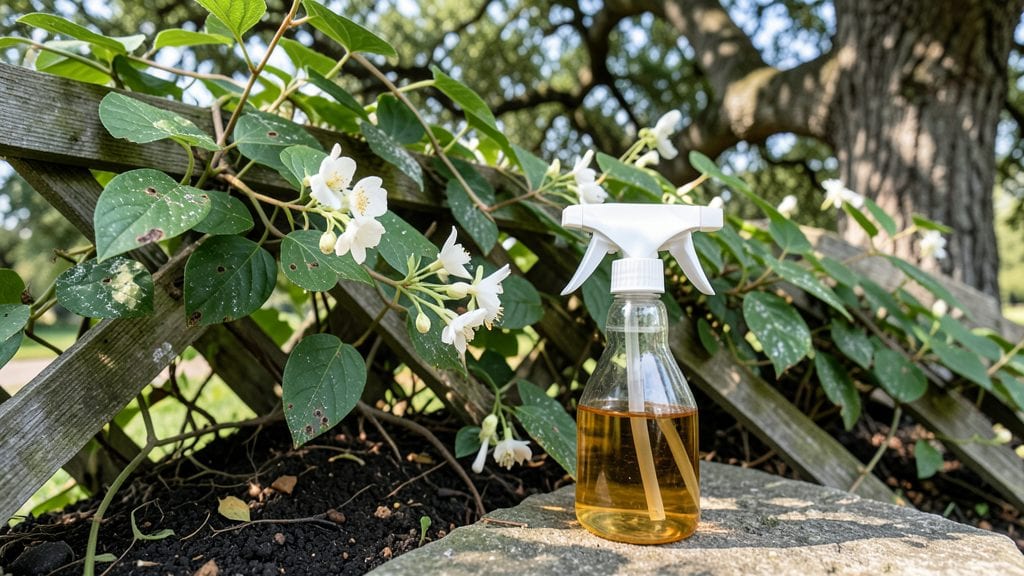
The fungus on your jasmine plant can turn vibrant vines into a spotted, wilted mess—unless you act fast. 🌿 I’ve battled powdery mildew and root rot, but with the right care, you can still rescue your jasmine.
The key is spotting the signs fast: white powder, yellow leaves, or mushy stems mean trouble’s brewing.
Most fungus shows up when jasmine gets too wet, crowded, or stressed—like after heavy rain or poor airflow. Pruning for better circulation and watering at the base (not overhead) cuts the risk dramatically. I’ve saved plants by adjusting care routines before reaching for sprays, and you can too.
You’ll stop the spread with simple fixes: neem oil sprays for mildew, hydrogen peroxide soaks for roots, and copper fungicides as a last resort. Within a week, you’ll see fresh growth pushing out, and the plant will bounce back stronger than before.
This works for both climbing and bush jasmine, whether you’re dealing with powdery mildew on leaves or root rot at the base. Let’s get your plant back to thriving—before the fungus wins.
Root Causes Of Fungal Spread
Fungal infections in jasmine plants—whether star jasmine (Trachelospermum jasminoides), Confederate jasmine (Trachelospermum confusum), or other varieties—don’t just appear out of nowhere. They thrive due to a mix of environmental, biological, and even human-related factors. Understanding these causes is the first step to prevention and treatment.
Fungi love moisture, and jasmine plants are no exception. When soil stays soggy for extended periods, it creates the perfect breeding ground for pathogens like powdery mildew or root rot. Here’s why it happens:
- Compacted or heavy soil traps excess water, preventing roots from breathing.
Jasmine thrives in well-draining soil (think sandy loam or amended clay), but if water pools around the base, fungal spores multiply rapidly. - Overhead watering (especially in the evening) keeps leaves damp for hours, inviting fungal spores to land and infect.
Unlike succulents, jasmine prefers consistent moisture but not saturation. - Lack of airflow in crowded plantings or dense foliage traps humidity, accelerating fungal growth. Prune regularly to improve circulation.
Actionable fix: Water deeply but infrequently—only when the top 1–2 inches of soil are dry. Use pots with drainage holes and elevate containers to prevent waterlogging.
Just like humans, plants with compromised defenses are more susceptible to fungal attacks. Stressors like nutrient deficiencies, pests, or sudden environmental changes weaken jasmine’s natural resistance. Common culprits include:
- Nitrogen deficiency (yellowing leaves) or potassium deficiency (weak stems) make plants vulnerable. A balanced fertilizer (10-10-10) supports fungal resistance. - Pests like aphids or spider mites damage leaves, creating entry points for fungi.
Their sticky residue (honeydew) also feeds secondary fungal infections. - Temperature swings (e.g., moving from indoors to outdoors without acclimation) shock the plant, lowering its ability to fight off pathogens.
Actionable fix: Monitor soil pH (aim for 6.0–7.0), apply neem oil for pests, and harden off plants gradually if transitioning environments.
Fungal spores are microscopic but mighty—they can hitchhike on dirty pruners, gloves, or even potting mix. Here’s how contamination spreads:
- Reusing tools without sterilizing them transfers spores from infected plants to healthy ones. A quick dip in 70% isopropyl alcohol or a bleach-water solution (1:10 ratio) kills spores on blades. - Old or reused potting soil may harbor dormant fungal spores.
Sterilize soil by baking it at 200°F (93°C) for 30 minutes or using fresh, fungus-free mix. - Cross-contamination in greenhouses or shared gardening spaces occurs when infected plants are placed near healthy ones. Always quarantine new plants for 2–4 weeks.
Actionable fix: Sterilize tools before and after use, and avoid composting diseased plant material. If repotting, use new soil or pasteurized mix.
Fungi don’t just appear—they wait for the right conditions.
Jasmine plants are especially at risk when: - Humidity exceeds 70% for prolonged periods (common in tropical climates or shaded areas). - Temperatures hover between 60–80°F (15–27°C), the sweet spot for many fungal pathogens. - Rain or dew lingers on leaves overnight, creating a film that spores cling to.
Actionable fix: Space plants to allow airflow, prune for sunlight exposure, and water in the early morning so leaves dry by evening.
Crowded jasmine plants compete for resources and trap moisture, creating a fungal paradise. Signs of overplanting include:
- Leaves touching (promotes spore spread).
- Stunted growth (stress signals to fungi: "Eat me!").
- Slow-drying soil (roots suffocate in shaded, humid conditions).
Actionable fix: Space jasmine 3–5 feet apart (depending on variety) and prune to maintain an open canopy. If growing in containers, ensure pots are at least 12 inches wide for mature plants.
Fixing Fungal Issues in Jasmine Plants
Fungal infections can turn your fragrant jasmine into a sad, wilted mess—but don’t panic! Early action and the right approach can save your plant. Below, we’ve mapped out practical, step-by-step solutions for the most common fungal problems affecting jasmine, along with prevention tips to keep your plant thriving.
Cause: Overwatering, poor drainage, or soggy soil creates the perfect breeding ground for Phytophthora or Pythium fungi, leading to root rot.
How to Fix It:
- 🔥 Stop Watering Immediately
- Let the soil dry out completely before watering again. Stick your finger 1–2 inches deep—if it’s damp, wait.
- 👨🍳 Repot in Fresh, Sterile Soil
- Gently remove the plant from its pot and trim any mushy, blackened roots with sterilized scissors.
- Repot in a well-draining mix (cactus/succulent soil + perlite or sand) and use a pot with drainage holes.
- 💡 Fungal Treatment Boost
- Add 1 tbsp of hydrogen peroxide (3%) per gallon of water to the new soil to deter fungus.
- Drench the roots with a fungicide (like copper-based or neem oil solution) for extra protection.
Prevention Tips: ✅ Water only when the top 1–2 inches of soil are dry. ✅ Use pots with drainage holes—no exceptions! ✅ Avoid overpotting—jasmine roots need airflow.
Cause: Fungal spores (Alternaria, Septoria, or Cercospora) spread via splashing water, humidity, or contaminated tools, creating brown/black spots on leaves.
How to Fix It:
- 🍳 Prune the Damaged Leaves
- Snip off spotted leaves with clean, sharp scissors (sterilize with rubbing alcohol).
- Dispose of them in the trash—not the compost!
- 🌡️ Improve Air Circulation
- Thin out crowded branches to allow airflow.
- Move the plant to a bright, indirect spot (avoid dense shade or humidity traps like bathrooms).
- ✨ Spray with a Fungicide
- Mix 1 tbsp neem oil + 1 tsp baking soda + 1 tsp mild soap per quart of water. Spray every 7–10 days until new growth appears.
- For severe cases, use a store-bought fungicide (like Myclobutanil).
Prevention Tips: 💡 Water at the base (not overhead) to avoid spreading spores. 💡 Clean pruning tools before and after use. 💡 Space plants 12+ inches apart to reduce humidity buildup.
Cause: High humidity, poor airflow, or crowded growth triggers Erysiphe fungi, coating leaves in a chalky white film.
How to Fix It:
- 🔪 Trim Infected Growth
- Remove heavily mildewed leaves to stop the spread.
- 🥘 Baking Soda Spray (DIY Fix!)
- Mix 1 tsp baking soda + 1 tsp oil + 1 tsp soap per quart of water. Spray every 5–7 days until cleared.
- 🌿 Boost Airflow & Light
- Move the plant to a sunnier spot (jasmine loves 6+ hours of light).
- Use a small fan on low 24/7 near the plant (or open windows for airflow).
Prevention Tips: ✨ Space plants properly—crowding = mildew magnet. ✨ Water in the morning so leaves dry quickly. ✨ Rotate the pot occasionally for even light exposure.
Cause: Fungal infections (Sclerotinia, Botrytis) attack weak stems, often from overwatering or wounds.
How to Fix It:
- 🔪 Cut Back the Rotten Stems
- Use sterilized scissors to remove affected stems below the rot (healthy tissue should be firm).
- 🌡️ Apply Fungicide & Let Dry
- Dust the cut area with fungicidal powder (like sulfur or copper).
- Avoid watering for 3–5 days to allow healing.
- 💡 Repot if Necessary
- If the root system is compromised, repot in fresh, sterile soil with perlite.
Prevention Tips: 🔥 Water only at the base—never on stems. 🔥 Avoid wounding stems (e.g., rough pruning). 🔥 Space plants to prevent humidity buildup.
If your jasmine is beyond saving, take healthy cuttings to propagate! Dip in rooting hormone, plant in sterile soil, and keep humid (use a plastic bag) until new growth appears.
Remember: Fungal issues are manageable with quick action. The key is prevention—good airflow, proper watering, and clean tools will keep your jasmine lush and disease-free! 🌿✨
Frequently asked questions
What does jasmine fungus look like on leaves?
Fungal infections on jasmine often appear as white powdery spots (powdery mildew), dark brown/black patches (leaf spot), or yellowing leaves with mushy stems (root rot). Check the undersides of leaves first—they’re where spores love to hide.
Can I save my jasmine if the roots are rotting?
Yes, but act fast! Trim all mushy roots with sterilized scissors, repot in fresh, well-draining soil, and stop watering until the soil dries completely. Add hydrogen peroxide (1 tbsp per gallon) to the new soil to kill lingering spores. Most plants recover within 2-3 weeks if the crown (top of roots) is still firm.
Is neem oil safe for jasmine plants?
Neem oil is a natural fungicide that works against powdery mildew and leaf spot. Mix 1 tbsp neem oil + 1 tsp baking soda + 1 tsp mild soap per quart of water and spray both sides of leaves. Apply in the early morning so the plant has time to dry, and repeat every 7-10 days until symptoms disappear.
Why does my jasmine keep getting fungus even after treatment?
Persistent fungus usually means poor airflow or overwatering. Check these fixes first: space plants 12+ inches apart, water only at the base (not overhead), and prune to improve circulation. If humidity stays above 70%, use a small fan nearby or move the plant to a sunnier spot.
Can I use copper fungicide on jasmine flowers?
Yes, but avoid spraying directly on blooms—focus on leaves and stems. Copper fungicides (like Bordeaux mix) are safe for jasmine once flowers open, but apply in the early morning so it dries before evening. For extra protection, mix with 1 tsp honey per gallon to boost the plant’s natural defenses.