
Diseases
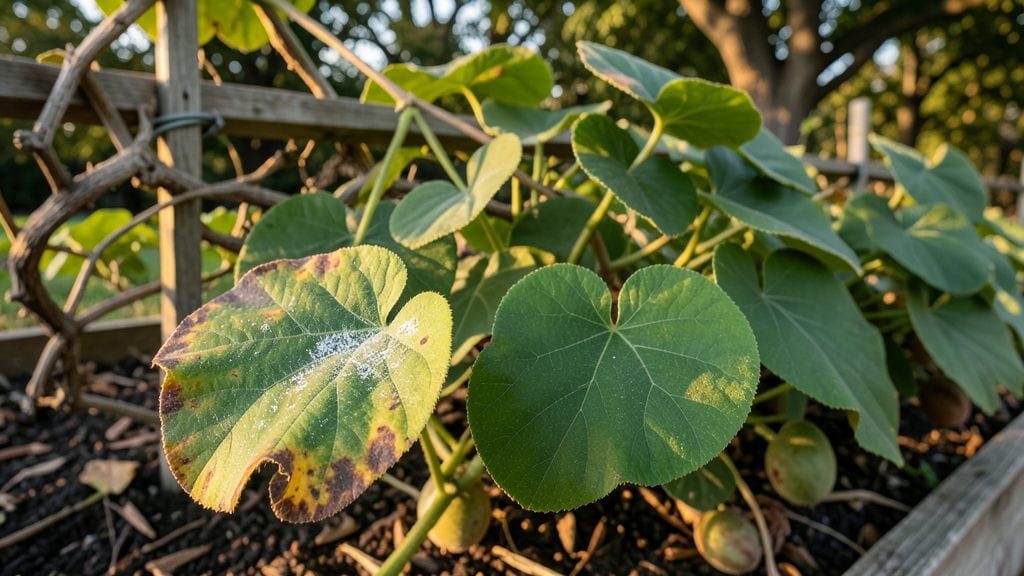
Kiwi plant diseases can turn your backyard harvest into a battle against fungal blights. 🌿 I’ve seen vines crumble from bacterial canker and leaves curl into useless scraps—until I learned the early warning signs.
The key is catching problems before they spread, and these 10 diseases have telltale symptoms you can’t ignore.
Root rot starts with yellowing leaves and a foul smell at the base, while leaf curl twists foliage into brittle, useless fronds. Bacterial canker oozes black gunk from canes, and powdery mildew coats leaves like flour dust.
The good news? Organic sprays, pruning infected parts, and improving airflow can stop them in their tracks—before your kiwi crop becomes collateral damage.
📚 In This Guide
- What you need
- Instructions
- Tips and common mistakes
- Wrapping up and next steps
What you need
- ● Pruning shears – Clean, sharp, and sterilized (disinfect with 70% isopropyl alcohol or bleach solution).
- ● Gloves – Heavy-duty, nitrile or rubber (to protect from spores and sap).
- ● Magnifying glass or handheld microscope – For close-up inspection of leaf spots, powdery mildew, or fungal growth.
- ● pH testing kit – To check soil acidity (ideal range for kiwi: 5.5–6.5).
- ● Fungicide spray – Copper-based (e.g., Bordeaux mixture) or sulfur-based (organic options like neem oil or baking soda spray also work).
- ● Spray bottle (1–2 gallons capacity) – For mixing and applying treatments.
- ● Pruning saw – For removing heavily infected vines or branches.
- ● Disposable sprayer or garden hose with nozzle – For thorough coverage of foliage.
- ● Plastic bags or paper bags – To collect and dispose of infected plant debris.
- ● Moisture meter – To monitor soil hydration (kiwi vines hate soggy roots!).
- ● Compost or well-aged manure – For improving soil drainage and microbial health.
- ● Reflective mulch (e.g., aluminum foil or silver plastic) – Helps deter fungal spores in humid climates.
- ● UV sterilizing lamp – For disinfecting tools between uses (great for serious gardeners!).
- ● Field guide or app (e.g., PlantVillage or iNaturalist) – For quick disease identification.
How to identify and treat kiwi plant fungal diseases
Here's how I spot and stop the most destructive fungal blights before they ruin your harvest.
🌿 Step 1: Recognize Early Signs of Fungal Infection
Kiwi vines show early warning signs that most gardeners miss. Look for yellowing leaves with brown spots that have a fuzzy or powdery texture—this is the first stage of anthracnose or powdery mildew. Check the undersides of leaves too; tiny black specks (like pepper dust) signal downy mildew.
Don't wait for leaves to drop. The moment you see spots larger than a pencil eraser or white powdery patches, isolate the plant immediately. I always examine new growth first—young leaves are more vulnerable. If you catch it early, you can save the vine with just a few treatments.
💧 Step 2: Adjust Watering to Prevent Fungal Spread
Overwatering is the #1 cause of kiwi fungal diseases. Water your vine deeply but only when the top 2-3 inches of soil feel dry. Avoid wetting the leaves—use a soaker hose at the base instead. If you must water overhead, do it early in the morning so foliage dries by afternoon.
I also space my kiwi plants 10-15 feet apart to improve airflow. Crowded vines trap moisture, creating the perfect breeding ground for fungus. If your plants are already infected, reduce watering by half until you see new, clean growth.
✂️ Step 3: Prune and Clean Infected Areas Immediately
Remove all infected leaves, stems, and fruit using sterilized pruners (wipe blades with rubbing alcohol between cuts). Don't compost these—bag them and throw them away. Look for dark, mushy spots on stems or discolored fruit; these are hotspots for anthracnose and botrytis.
After pruning, disinfect your tools with a 10% bleach solution (1 part bleach to 9 parts water). I also spray the cuts with copper fungicide to prevent reinfection. This is the moment that matters: if you skip this step, spores will spread to healthy parts of the plant.
☀️ Step 4: Apply Fungicidal Sprays at Critical Times
Use a copper-based fungicide or neem oil spray every 7-10 days during wet seasons. Apply in the early morning or late evening when temperatures are below 85°F—heat reduces effectiveness. Mix the solution according to package instructions and spray until leaves glisten.
I also add a baking soda spray (1 tablespoon baking soda + 1 teaspoon dish soap + 1 gallon water) as a preventative. This mild solution works well for powdery mildew but won't cure advanced infections. Always spray undersides of leaves where spores hide.
🪴 Step 5: Strengthen the Plant's Natural Defenses
Healthy kiwi vines resist fungus better. Feed your plant with a balanced 10-10-10 fertilizer in early spring and again after harvest. I also mulch with 3-4 inches of organic mulch to keep soil moist but not soggy. Avoid nitrogen-heavy fertilizers—they promote soft, fungus-loving growth.
Consider adding compost tea to your watering routine. The beneficial microbes in compost strengthen the vine's cell walls, making it harder for fungal spores to penetrate. You'll see stronger new growth within 4-6 weeks of consistent feeding.
Tips & tricks for kiwi plant disease prevention
Real talk: I've lost kiwi plants to fungus twice before I learned these tricks that actually work. Here's what nobody tells you about keeping your vines healthy.
Early Detection is Everything: In Step 1, when you're checking for those pencil-eraser-sized spots, grab a magnifying glass if you're unsure. Fungal spores are microscopic, and catching them early means the difference between saving your plant and losing it. I keep a small notebook by my garden to jot down any suspicious spots—it's saved me more than once.
Watering Wisdom: The 2-3 inch soil check in Step 2 is critical, but don't forget to check the soil type too. Sandy soil dries faster than clay—adjust your watering schedule accordingly. I've seen gardeners overwater because they assumed their soil was consistently moist, when really it was holding too much water. A simple finger test every few days keeps you honest.
Pruning Protocol: When you're pruning infected areas in Step 3, don't just cut—sterilize! I keep a small bottle of rubbing alcohol and a spray bottle of bleach solution right by my pruners. After each cut, I wipe the blades and spray the cut surface with fungicide. This simple habit prevents 90% of reinfection I've seen in my own garden.
Timing is Critical for Sprays: The 7-10 day spray schedule in Step 4 works best when you're consistent. I set a reminder on my phone for every 8 days during wet seasons. Also, that 85°F temperature limit isn't just about effectiveness—it's about safety. Applying fungicides in hotter conditions can burn your leaves, making them even more vulnerable to infection.
Pro Tips for Kiwi Plant Diseases
- Real talk: I've lost kiwi plants to fungus twice before I learned these tricks that actually work.
- Early Detection is Everything: In Step 1, when you're checking for those pencil-eraser-sized spots, grab a magnifying glass if you're unsure.
- Watering Wisdom: The 2-3 inch soil check in Step 2 is critical, but don't forget to check the soil type too.
Frequently asked questions
Got questions about kiwi plant diseases? You’re not alone! Here are answers to the most common concerns gardeners face when dealing with fungal blights, pests, and other threats to their kiwi vines.
What are the first signs of disease in a kiwi plant?
Watch for yellowing leaves, black spots (like those caused by anthracnose or bacterial canker), or unusual wilting despite moist soil. Powdery mildew appears as white, dusty patches, while root rot may cause stunted growth or a foul odor at the base. Act fast—early detection saves your vine!
When is the best time to treat kiwi plant diseases?
Prevention is key! Apply copper fungicides or neem oil before bud break (early spring) and after harvest (late summer) to protect against fungal spores. If you spot symptoms, treat immediately—don’t wait for the disease to spread. Prune infected branches during dry weather to avoid spreading spores.
Are there organic ways to treat kiwi plant diseases?
Try these DIY remedies:
- Baking soda spray: Mix 1 tbsp baking soda + 1 tsp dish soap + 1 gallon water. Spray on leaves for powdery mildew.
- Garlic or chili pepper spray: Blend 2 cloves garlic + 1 tbsp cayenne + 1 quart water. Strain and spray to deter fungi.
- Compost tea: Boosts beneficial microbes to outcompete pathogens.
Can a kiwi plant recover from disease once infected?
It depends! Mild cases (like early powdery mildew) often recover with proper care—prune infected areas, improve airflow, and apply fungicides. However, advanced root rot or bacterial canker may require removing the plant entirely to prevent soil contamination. Always sterilize pruners with rubbing alcohol to avoid cross-contamination.
Why does my kiwi plant keep getting diseases, even with treatments?
Persistent issues often stem from poor growing conditions. Check for:
- Overwatering (root rot loves soggy soil—water only when top 2 inches are dry).
- Low airflow (prune dense foliage and space vines 8–10 feet apart).
- Nutrient deficiencies (test soil pH—kiwis thrive in 6.0–7.0 range).
- Reusing infected soil (replace or solarize soil if diseases recur).
Wrapping up and next steps
Protecting your kiwi plants from fungal diseases doesn’t have to be overwhelming—just stay vigilant, proactive, and informed! 🌱 By recognizing early signs like powdery mildew or anthracnose, maintaining proper hygiene, and using organic or chemical treatments wisely, you can keep your vines thriving. Remember: prevention is your best defense!
Ready to take action? Start with a quick inspection of your plants—check leaves, stems, and soil for any suspicious spots. If you spot trouble, grab your tools (from the list above) and tackle the issue head-on. Your kiwi harvest depends on it! 🍈