
Companion Plants
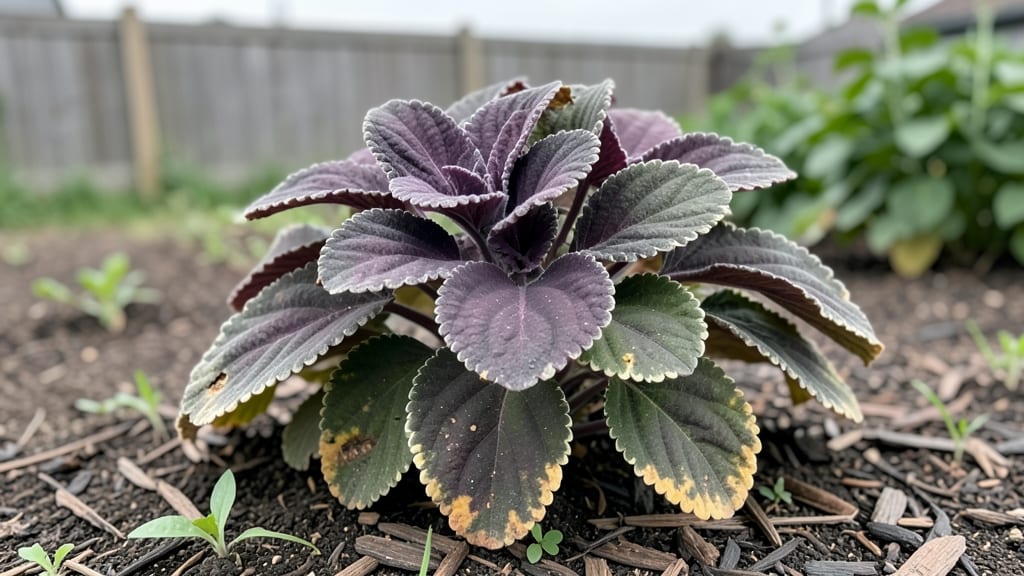
Growing large coleus plants transforms your garden into a vibrant, year-round privacy screen that outshines anything you can buy in a store. ✨ I discovered this trick after struggling with boring green hedges—coleus doesn’t just survive in partial shade, it thrives, with foliage so bold it stops neighbors in their tracks.
The key is treating them like the architectural statement plants they are, not just annuals you toss after summer.
You’ll need well-draining soil (mix in compost for extra richness), bright but indirect light (morning sun is ideal), and consistent moisture—think of them like thirsty houseguests who hate soggy feet.
A balanced fertilizer every 4-6 weeks keeps their colors popping, and regular pruning (cut back by 1/3 when they get leggy) turns them into bushy, impenetrable walls. The best part? They rebound faster than most shrubs after a haircut.
By late summer, your plants will reach 3-4 feet tall with that lush, tropical look, and if you bring them indoors before frost, they’ll keep performing as living art for months.
The foliage stays vibrant through fall and even winter with proper light, making them the only "hedge" that actually feels alive year-round. Here’s how to get started without the guesswork.
Works equally well in containers for patios or directly in the ground for borders—just adjust spacing (2-3 feet apart for full coverage). The real magic happens when you mix varieties: deep purples, fiery oranges, and chartreuse yellows create a privacy screen that’s as eye-catching as it is functional.
Let’s make your garden the talk of the neighborhood.
📚 In This Guide
- What you need
- Instructions
- Tips and common mistakes
- Wrapping up and next steps
What you need
- ● Coleus plants: 10–20 mature plants (or 5–10 large cuttings) per 3–4 ft section of screen. Choose varieties like ‘Black Dragon,’ ‘Wine & Roses,’ or ‘Electric Pink’ for bold color.
- ● Well-draining potting mix: 1–2 cubic yards (for in-ground planting) or 10–20 gallons (for containers). Mix equal parts peat moss, perlite, and compost for optimal drainage.
- ● Organic fertilizer: 5–10 lbs of balanced 10-10-10 or slow-release 14-14-14 fertilizer (or compost tea for organic gardening).
- ● Mulch: 2–3 inches of shredded bark or straw to retain moisture and suppress weeds.
- ● Garden trowel or spade: For planting and soil prep.
- ● Pruning shears: Sharp, bypass pruners (for trimming and shaping).
- ○ Watering can or hose with nozzle: Soaker hose (optional but ideal for deep watering).
- ● Gloves: Heavy-duty gardening gloves to protect hands.
- ● Measuring tape: To ensure even spacing (plant 12–18 inches apart for full coverage).
- ○ Stakes or trellis (optional): For vertical support if training coleus upward.
- ● Sunlight: Partial shade (4–6 hours of dappled sun) for vibrant foliage. Avoid harsh afternoon sun.
- ● Water source: Consistent access to water (coleus detests drought).
- ● Space: Minimum 3–4 ft wide and 6+ ft tall (for mature height).
- ● Seasonal timing: Plant in spring after last frost or early summer for best growth.
Step-by-step instructions for growing bold coleus privacy screens
Here’s how to transform your space with vibrant, fast-growing coleus plants that thrive as a living privacy screen.
🌱 Step 1: Select and Prepare Healthy Coleus Starts
Choose 4 mature coleus plants with thick stems and lush, colorful foliage—this ensures your screen grows full and vibrant quickly. I look for plants with at least 6-8 inches of stem length and multiple healthy leaves, as these will root faster and establish stronger.
Before planting, trim each stem just below a leaf node (where leaves attach) to encourage branching. This creates a bushier plant right from the start. Remove any yellow or damaged leaves—they’ll only slow growth. If your coleus has leggy stems, cut them back by half to promote compact, fuller growth.
🪴 Step 2: Plant in Well-Draining, Nutrient-Rich Soil
Fill a large container or in-ground bed with 6-8 inches of moistened potting mix mixed with 1 part perlite or coarse sand to improve drainage. Coleus roots rot easily in soggy soil, so this blend keeps them happy. Dig a hole slightly deeper than the plant’s root ball—about 2-3 inches deeper—to encourage new root growth.
Place each coleus plant 12-18 inches apart in a staggered pattern for a natural, full look. Press the soil gently around the roots to remove air pockets, then water deeply until moisture seeps out the bottom of the container or drains from the soil surface. This settles the roots and kickstarts growth.
☀️ Step 3: Position for Bright, Indirect Light
Coleus thrives in bright, indirect light—think morning sun with afternoon shade. A spot near an east-facing window or under a sheer curtain works perfectly. If your plants start looking pale or leggy, they’re stretching for more light. Move them closer to the window or add a grow light for 6-8 hours daily.
Rotate the container or plants a quarter turn weekly so all sides get even light exposure. This prevents lopsided growth and keeps foliage vibrant. Avoid harsh afternoon sun, which can scorch the leaves—you’ll see crispy edges as a warning sign.
💧 Step 4: Water Consistently and Fertilize Monthly
Keep the soil evenly moist but never soggy. Water when the top 1-2 inches of soil feel dry to the touch, which is usually every 2-3 days in warm weather. Overwatering is the fastest way to kill coleus—roots suffocate in wet soil. Use a moisture meter if you’re unsure, or stick your finger in the soil to check.
Feed plants with a balanced liquid fertilizer (10-10-10) every 4-6 weeks during the growing season. Dilute the fertilizer to half-strength to avoid burning the roots. You’ll notice richer colors and faster growth within a few weeks. Stop fertilizing in fall as growth slows.
✂️ Step 5: Prune and Maintain for Fullness
Pinch back the tips of new growth when plants reach 6-8 inches tall to encourage bushier growth. This simple step prevents leggy stems and keeps your screen dense. Use clean pruning shears to snip just above a leaf node—avoid tearing the stem, which can invite disease.
Trim any yellow or brown leaves immediately, and remove spent flowers if they appear. Deadheading keeps energy focused on foliage growth. Every 3-4 months, give your coleus a light haircut by cutting back stems by one-third. This rejuvenates the plant and keeps it compact and full.
Tips & tricks for growing bold coleus privacy screens
Here's what I've learned after growing these vibrant coleus screens for years—these tricks will help you avoid common pitfalls and keep your foliage looking lush for seasons.
Selection Tip: When choosing your 4 coleus plants, look for varieties with different leaf patterns and colors. Mixing purple, pink, and green foliage creates a stunning visual screen. I always pick plants with at least 6-8 inches of stem length—they establish faster and give you that full, immediate look. Confession: I skipped this step my first year and ended up with patchy, uneven growth that took months to fill in.
Soil Strategy: The 6-8 inches of moistened potting mix blended with perlite or sand is non-negotiable for coleus. I've tried regular garden soil, and within weeks, the roots started rotting from poor drainage. For containers, add a layer of small pebbles at the bottom to create extra drainage space. In-ground beds should have a slight slope to prevent water pooling around the roots.
Lighting Hack: That quarter turn weekly rotation in Step 3 makes all the difference for even growth. I mark my containers with a dot using a permanent marker to track rotation progress. For indoor screens, LED grow lights are a game-changer—they provide that bright, indirect light coleus craves without the risk of scorching. I use mine for 6 hours daily, and my plants stay vibrant even in winter.
Pruning Pro Tip: When you're pinching back those tips at 6-8 inches tall, don't be afraid to get aggressive! I actually cut back to just 3-4 inches on some stems to encourage even more branching. Store the cuttings in water for a few weeks, and you'll have free baby coleus plants for next year. Just remember to use clean pruning shears—diseased blades can transfer pathogens to your healthy plants.
Pro Tips for Large Coleus Plants
- Here's what I've learned after growing these vibrant coleus screens for years—these tricks will help you avoid common pitfalls and keep your foliage looking lush for seasons.
- Selection Tip: When choosing your 4 coleus plants, look for varieties with different leaf patterns and colors.
- Soil Strategy: The 6-8 inches of moistened potting mix blended with perlite or sand is non-negotiable for coleus.
Frequently asked questions
How fast do large coleus plants grow?
Coleus grows moderately fast—expect 1–2 feet per season under ideal conditions (full sun to partial shade, consistent moisture, and rich soil). For a quick privacy screen, plant 3–4 coleus per linear foot and pinch back tips early to encourage bushier growth. With proper care, you’ll see noticeable height and spread in 3–4 months!
Can coleus survive winter outdoors?
Most coleus are tender perennials and won’t tolerate frost—they’ll die back to the ground in freezing temps (below 30°F/-1°C). For year-round color, dig up plants before the first frost, trim, and overwinter indoors near a bright window. Alternatively, treat them as annuals and replant next spring for a fresh start!
Why are my large coleus leaves turning yellow?
Yellowing leaves usually signal overwatering or poor drainage. Ensure your coleus is planted in well-draining soil (mix in perlite or sand) and water only when the top 1–2 inches of soil feel dry. Yellow edges? It could be underwatering or salt buildup—flush the soil with water and adjust your routine. Pests like spider mites can also cause stress—check undersides of leaves!
What’s the best way to prune large coleus for bushiness?
Pruning is key to encouraging fuller growth! Use clean shears to pinch back the tips of stems when plants are 6–8 inches tall. For a privacy screen, trim 1/3 of the height in early spring to shape and promote branching. Deadhead spent flowers to redirect energy to foliage. Pro tip: Save cuttings in water to propagate new plants!
Are there drought-tolerant coleus varieties for hot climates?
While coleus loves moisture, some varieties handle heat better than others. Look for ‘Black Dragon’ or ‘Wine ‘n’ Roses’, which tolerate brief dry spells once established. To improve drought resistance, mulch heavily (2–3 inches of organic mulch) and water deeply but infrequently (early morning is best). Avoid soggy soil—coleus hates “wet feet”!
Can I grow large coleus in containers instead of a garden bed?
Coleus thrives in containers 12+ inches deep with drainage holes. Use a lightweight potting mix (add peat moss for moisture retention) and fertilize every 4–6 weeks with a balanced liquid fertilizer. For a privacy screen effect, group 3–5 plants in a large trough or hanging basket. Just move containers indoors before frost!
Wrapping up and next steps
Growing large coleus plants as a bold, year-round privacy screen is a game-changer for vibrant gardens! 🌿 With their striking foliage and low-maintenance care, they thrive in partial shade, resist pests, and adapt to containers or in-ground plantings.
Whether you’re a seasoned gardener or just starting out, coleus delivers wow-worthy results with minimal effort.
Ready to transform your space? Start by choosing your favorite coleus varieties and follow the steps above—your lush, colorful privacy screen is just a few weeks away! 🌟 Pro tip: Snap a photo of your progress and tag us—we’d love to see your garden glow!