How To
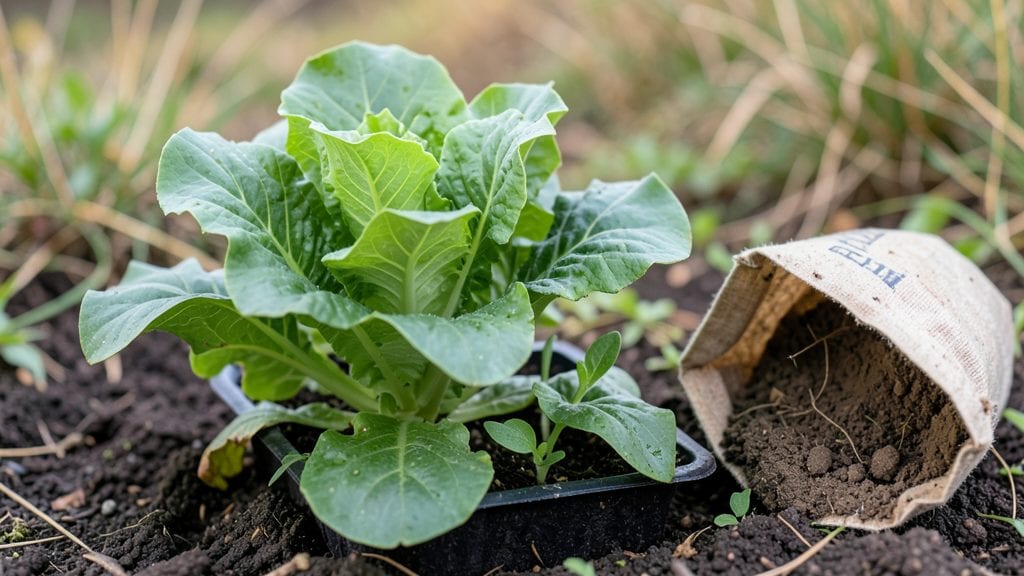
Creating a lightweight planting soil mix transforms how your plants grow—roots breathe easier, water drains properly, and seedlings establish without the dreaded "damping off" that ruins batches.
I learned this the hard way after watching my first batch of tomato starts rot in heavy potting mix, and now I use this recipe for everything from delicate ferns to heavy feeders like peppers.
The magic is in the balance: one-third coconut coir for moisture retention, one-third perlite or vermiculite for aeration, and one-half compost or peat moss for nutrients. For containers, I add a handful of orchid bark to keep things fluffy—this mix stays loose even when wet, preventing that compacted, waterlogged mess.
Most garden centers sell these ingredients separately, but pre-mixed blends like FoxFarm Ocean Forest Lite work too if you're short on time.
Your plants will reward you with faster root growth, fewer transplant shocks, and a soil that crumbles instead of clumps. The texture stays airy for months, and you’ll notice seedlings popping up in half the usual time.
For delicate roots like African violets or orchids, I even mix in a little horticultural charcoal to keep things sterile and prevent fungal issues.
This recipe works for seed starting, container gardens, and amending heavy clay—just adjust the compost ratio for different needs. The key is testing your mix: if it holds water like a sponge, add more perlite; if it falls apart like dust, boost the compost.
Once you master this, you’ll never go back to dense, root-suffocating soil again.
📚 In This Guide
- What you need
- Instructions
- Tips and common mistakes
- Wrapping up and next steps
What you need
- ● 50% coconut coir or peat moss – 4 parts (holds moisture while staying light)
- ● 30% perlite or vermiculite – 3 parts (boosts aeration; perlite for extra lightness)
- ● 20% compost or worm castings – 2 parts (adds nutrients; opt for worm castings for a gentle, nutrient-rich kick)
- ● Large mixing container or wheelbarrow (for blending dry ingredients)
- ● Garden trowel or shovel (for stirring and layering)
- ● Glove and dust mask (to avoid irritation from perlite or peat)
- ○ Optional: pH testing kit (to adjust soil acidity if needed)
- ○ Optional: slow-release fertilizer (like osmocote) for extra nutrition
Step-by-Step guide to creating lightweight planting soil
This airy mix promotes root expansion and prevents compaction—ideal for containers, seed starting, and delicate plants.
Measure and Combine Base Materials
Start by gathering 4 parts peat moss—this forms the foundation for moisture retention while keeping the mix loose. In a large wheelbarrow or clean workspace, spread the peat moss evenly. Next, add 2 parts perlite—this creates the air pockets essential for root respiration. I sift the perlite through a fine mesh screen to break up any clumps, ensuring even distribution throughout the mix.
For structure and nutrient balance, incorporate 2 parts vermiculite. Vermiculite holds moisture while allowing excess to drain, preventing waterlogged roots. Mix these three components thoroughly with a garden fork or sturdy trowel until the texture appears uniformly fluffy. Avoid compacting the mix—press gently only enough to combine materials evenly. This blend alone provides excellent drainage, but we’ll refine it further.
Add Organic Matter for Nutrient Density
To boost fertility and microbial activity, fold in 1 part coconut coir. Coconut coir retains moisture better than peat moss and adds beneficial fungi to the mix. Break up any large chunks with your hands to distribute evenly. Next, stir in ½ part compost—this introduces essential nutrients while maintaining the lightweight structure. I use well-aged compost to avoid introducing weed seeds or pathogens.
For a final nutrient boost, sprinkle 1 tablespoon of balanced organic fertilizer (5-5-5 ratio) per 4 cubic feet of mix. Work the fertilizer into the blend until it disappears completely. This ensures even distribution without creating hot spots that could burn tender roots. Test the moisture level now—it should feel like a damp sponge, not dripping water.
Customize for Plant Type Needs
For seed starting, add ¼ part fine horticultural sand to improve drainage further. This prevents damping-off disease by keeping seeds from sitting in soggy soil. Mix the sand in gently with a gloved hand to avoid inhaling dust. For container plants, reduce the sand to ⅛ part—containers already drain well, and too much sand can create air pockets that hinder root development.
If you’re preparing mix for succulents or cacti, replace the coconut coir with 1 additional part perlite and reduce the peat moss to 3 parts. This creates an ultra-dry mix that mimics their native arid conditions. For orchids or epiphytes, blend in ½ part orchid bark instead of compost—this mimics their natural growing medium while maintaining aeration.
Test and Adjust the Final Mix
Fill a small container with the completed mix and press it gently with your finger. The surface should hold its shape but not feel compacted. If it crumbles easily, add 1 part additional perlite to lighten it further. If it feels too dense, incorporate ½ part extra coconut coir to improve aeration. The ideal mix should feel like a cloud—supportive yet airy.
Moisten the mix with warm water until it reaches 60% moisture capacity—this means squeezing a handful should release a few drops of water without dripping. Store any unused mix in a sealed container for up to 3 months, though I recommend using it fresh for best results. This lightweight blend will keep roots healthy, prevent waterlogging, and create the perfect environment for vigorous growth.
Tips & tricks for perfect lightweight planting soil
Creating the ideal lightweight planting mix requires attention to detail—these insights will help you achieve the perfect balance of aeration, moisture retention, and nutrient density every time.
Base Material Ratio: The foundation of your mix starts with the 4:2:2 ratio of peat moss to perlite to vermiculite. This precise combination creates the optimal balance between moisture retention and air circulation. I recommend pre-sifting all components through a ¼-inch mesh screen to eliminate any clumps that could create air pockets or compacted areas in your final mix. This step is particularly important for perlite, which can form hard clumps if not broken up properly.
Organic Matter Integration: When folding in the 1 part coconut coir and ½ part compost in Step 2, work these ingredients gently into the base materials. The key here is to maintain the airy texture while adding nutrients—overmixing can compress the blend. I find that using my hands to break up coconut coir chunks and distribute compost evenly works better than a trowel, which can compact the mix. This careful integration preserves the delicate structure we've worked so hard to create.
Customization for Specific Needs: The adjustments in Step 3 are where you tailor the mix to your plants' requirements. For seed starting, the ¼ part fine horticultural sand creates the perfect drainage while preventing damping-off disease. Remember that this sand should be sterile and free of additives—regular beach sand can introduce pathogens. For container plants, reducing the sand to ⅛ part maintains adequate drainage without creating excessive air pockets that could hinder root development.
Storage and Shelf Life: While the mix can be stored for up to 3 months, I've found that fresh mix performs best. If you need to store it, use airtight containers with moisture barriers to prevent the peat moss from drying out or the organic components from decomposing too quickly. For long-term storage, consider freezing portions in sealed bags—this preserves the integrity of the organic matter for up to 6 months while maintaining the lightweight structure.
Pro Tips for Lightweight Planting Soil
- Creating the ideal lightweight planting mix requires attention to detail—these insights will help you achieve the perfect balance of aeration, moisture retention, and nutrient density every time.
- Base Material Ratio: The foundation of your mix starts with the 4:2:2 ratio of peat moss to perlite to vermiculite.
- Organic Matter Integration: When folding in the 1 part coconut coir and ½ part compost in Step 2, work these ingredients gently into the base materials.
Frequently asked questions
Got questions about lightweight planting soil? You’re not alone! Here are answers to the most common queries to help you grow with confidence.
What makes lightweight planting soil different from regular potting mix?
Lightweight planting soil is designed to mimic the airy, well-draining properties of natural forest floors. It blends organic matter (like peat moss or coco coir) with perlite, vermiculite, or sand to reduce compaction and improve oxygen flow to roots. Regular potting mix can become dense over time, restricting growth, while lightweight mixes stay fluffy and root-friendly.
How soon can I use homemade lightweight soil after mixing?
Your DIY lightweight soil is ready to use immediately after mixing—no waiting required! However, let it sit for 1–2 hours to settle if you’re filling large containers. This helps distribute moisture evenly. For seed starting, mix it fresh to avoid compaction from storage. Pro tip: Store extra batches in a sealed bin to preserve moisture and structure.
Can I substitute perlite or vermiculite if I don’t have them?
Yes! If you’re missing perlite or vermiculite, try these alternatives:
- Coarse sand (sterilized) – improves drainage but may compact faster.
- Pumice – lightweight and retains some moisture.
- Hydroton (expanded clay) – reusable and great for moisture control.
- Chopped leaves or bark – adds organic bulk but breaks down over time.
Why is my lightweight soil sinking or collapsing after watering?
This usually happens if the mix lacks enough structural additives (like perlite or fiber) or if organic matter decomposes too quickly. To fix it:
- Add 10–20% more perlite or vermiculite to future batches.
- Mix in chopped coconut coir or shredded newspaper for stability.
- Avoid overwatering—let the top inch dry out between waterings.
Is lightweight soil suitable for all plants, or just certain types?
Lightweight soil works best for plants that thrive in well-draining, airy conditions, such as:
Heavy feeders (e.g., tomatoes or peppers) may need a 50/50 blend with compost or regular potting mix to retain nutrients. Always check your plant’s specific needs!
Wrapping up and next steps
Creating your own lightweight planting soil is a game-changer for thriving plants—whether you’re a seasoned gardener or just starting out! 🌱 With the right blend of perlite, coconut coir, compost, and vermiculite, you’ll give your plants the airy, nutrient-rich foundation they deserve.
This DIY mix ensures better drainage, root health, and stronger growth without the hassle of heavy, compacted soil.
Ready to elevate your gardening game? Grab your materials, roll up your sleeves, and start mixing! Your plants (and future harvests) will thank you. 🌿