Companion Plants
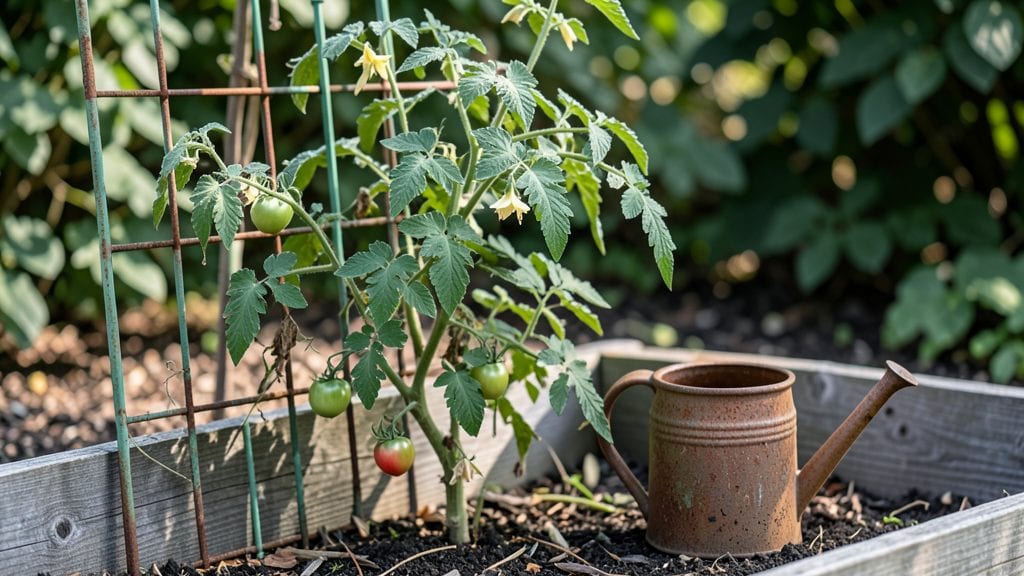
My limp tomato plants once looked like sad, overwatered weeds—until I discovered the three simple fixes that brought them back to life. 🌱 The droop isn’t always about water; sometimes it’s hidden stress from heat, pests, or even overcrowded roots.
I’ve revived plants that looked done for with just a few targeted tweaks, and you can too.
The first step is checking the soil—stick your finger in an inch deep. If it’s soggy, you’re overwatering; if it’s bone-dry, you’re underwatering. Most limp plants need a consistent watering schedule, not daily drenching.
Then, trim any yellow or wilted leaves to redirect energy to new growth. This alone can turn a sad plant around in 3-5 days.
For long-term health, feed them a balanced fertilizer every 2-3 weeks once they’re perking up. A handful of compost around the base gives them a slow-release nutrient boost. Within a week, you’ll see sturdier stems and vibrant green leaves—proof the plant’s back in business.
This works for both container and in-ground tomatoes, and the same fixes apply to peppers and eggplants too. The key is acting fast and addressing the root cause, not just the symptoms. Let’s get those plants standing tall again!
Root Causes Of Floppy Tomatoes
Understanding why your tomato plants suddenly go limp is the first step to bringing them back to life. 🌱 Drooping leaves and weak stems usually signal an underlying issue—often one that’s fixable with the right knowledge.
Let’s break down the most common culprits behind limp tomato plants, so you can diagnose and act fast.
Tomatoes need consistent moisture, but too much water can suffocate their roots. When soil stays soggy, oxygen can’t reach the roots, leading to root rot—a fungal infection that weakens the plant’s structure.
Signs include: - Yellowing leaves (especially lower ones) - Mushy, dark stems when pulled gently - Slow recovery even after watering stops
Why it happens:
- Compacted or clay-heavy soil holds excess water.
- Overzealous watering (especially without checking soil moisture).
- Lack of drainage in containers or raised beds.
Actionable fix: Let the top 1–2 inches of soil dry out between waterings. If your plants are in pots, ensure drainage holes are present, and use a well-draining potting mix (like 60% compost, 30% perlite, and 10% vermiculite).
Tomatoes are thirsty plants, and when they don’t get enough water—especially in hot, dry conditions—they wilt to conserve moisture. Unlike overwatering, underwatering causes:
- Crispy, dry leaf edges
- Leaves curling inward (like a taco!)
- Stems that feel hollow or brittle when squeezed
Why it happens:
- Inconsistent watering (e.g., forgetting during heatwaves).
- Shallow root systems in young plants.
- Evaporative stress from intense sunlight without shade.
Actionable fix: Water deeply at the base (not the leaves) in the early morning or late afternoon to reduce evaporation. Mulch with straw or wood chips to retain moisture. For container-grown tomatoes, check soil moisture daily in extreme heat.
Limp tomatoes can also stem from malnutrition, particularly a lack of nitrogen (N) or potassium (K). These nutrients are critical for:
- Nitrogen (N): Leaf growth and overall vigor.
- Potassium (K): Root strength and water regulation.
Signs of deficiency:
- Yellowing leaves (nitrogen deficiency, starting at the bottom).
- Brown, crispy leaf edges (potassium deficiency).
- Stunted growth despite regular watering.
Why it happens:
- Poor soil quality (low organic matter).
- Over-fertilizing with phosphorus-heavy fertilizers (like bone meal) without balancing N and K.
- Leaching in sandy or frequently watered soils.
Actionable fix: Use a balanced fertilizer (like 5-5-5 or 10-10-10) every 2–3 weeks during the growing season. For organic options, try compost tea, banana peel tea (for potassium), or fish emulsion. Test your soil annually to identify specific deficiencies.
Hidden pests or diseases can severely damage roots, leaving your tomato plants unable to absorb water and nutrients.
Common culprits include: - Root-knot nematodes (microscopic worms that feed on roots, causing galls). - Fungal diseases like early blight or verticillium wilt (which clog root vessels). - Cutworms or slugs (chewing through stems at the base).
Signs of root damage:
- Stems that snap easily near the soil line.
- Stunted growth despite healthy-looking leaves.
- Mushy, discolored roots when inspected.
Why it happens:
- Contaminated soil (from previous infestations).
- Poor garden hygiene (leaving plant debris).
- Overhead watering (spreading fungal spores).
Actionable fix:
- Rotate crops to prevent soil-borne diseases.
- Use nematode-resistant varieties (like ‘Mountain Merit’ or ‘Defiant PhR’).
- Apply organic nematicides (like neem oil or marigold companion planting).
- Handpick pests at night or use diatomaceous earth as a barrier.
Tomatoes are sensitive to sudden temperature swings and strong winds, which can cause transpirational stress—where plants lose more water than they absorb.
This leads to: - Wilting even when soil is moist (a sign of vapor pressure deficit). - Sunburned leaves (white or gray patches in hot weather). - Blown-over plants (especially in exposed garden beds).
Why it happens:
- Lack of windbreaks (like trellises, fences, or tall companion plants).
- Extreme heatwaves (above 90°F/32°C).
- Cold snaps (below 50°F/10°C for extended periods).
Actionable fix:
- Provide shade cloth (30–50% coverage) during heatwaves.
- Use windbreaks (e.g., cornstalks, sunflowers, or burlap screens).
- Mulch heavily to regulate soil temperature.
- Water deeply in the morning to help plants withstand afternoon heat.
If your tomato plants are newly transplanted or root-bound in containers, their root systems may struggle to support the plant’s needs. Signs include:
- Wilting within days of transplanting.
- Roots circling the pot (visible when gently removed).
- Slow recovery even after adjusting water.
Why it happens:
- Disturbed root systems during transplanting.
- Small or crowded pots restricting growth.
- Improper hardening off before outdoor planting.
Actionable fix:
- Water thoroughly before transplanting to reduce shock.
- Use larger containers (at least 5 gallons for determinate varieties, 10+ for indeterminate).
- Prune circling roots before repotting.
- Avoid fertilizing for 1–2 weeks post-transplant to reduce stress.
Pro Tip: 💡 The "Finger Test" – Stick your finger 1–2 inches into the soil. If it’s dry, water deeply. If it’s damp but the plant is still limp, check for pests or nutrient issues next!
Revive Your Tomato Plants Fast
Limp tomato plants can feel like a gardener’s worst nightmare—but don’t panic! With the right approach, you can nurse them back to health and even prevent future droops. Below are targeted fixes for the most common causes, along with easy-to-follow steps and prevention tips to keep your plants strong.
Signs: Yellowing leaves, mushy stems, or dry, crispy foliage.
How to Fix It:
- Check the Soil 🌱
- Stick your finger 1-2 inches deep into the soil. If it’s soggy, you’re overwatering. If it’s bone-dry, you’re underwatering.
- Pro Tip: Use a moisture meter for accuracy—no guesswork!
- Adjust Your Watering Routine 💧 - Overwatered? Let the top 2-3 inches of soil dry out before watering again. Improve drainage by adding perlite or sand to heavy clay soil. - Underwatered? Water deeply at the base (not the leaves) in the early morning to reduce evaporation.
Use drip irrigation for consistency.
- Fix Root Rot (If Severe) ⚰️🔄
- If stems feel mushy, prune blackened or rotting roots with sterilized scissors.
- Repot in fresh, well-draining soil and hold off on watering for 3-4 days to let roots recover.
Prevention: ✅ Water only when needed—tomatoes thrive on 1-1.5 inches of water per week (more in heatwaves). ✅ Mulch with straw or shredded leaves to retain moisture without drowning roots.
Signs: Wilting, bleached or crispy leaf edges, or plants sagging in midday heat.
How to Fix It:
- Provide Temporary Shade 🌞🛡️
- Use shade cloth (30-50%) or move potted tomatoes to a partially shaded spot for a few days.
- Quick Fix: Drape a lightweight sheet over them during peak sun (11 AM–3 PM).
- Boost Hydration & Humidity 💦🌿
- Water early in the morning to cool leaves.
- Mist foliage gently (avoid soaking flowers/fruit) to raise humidity.
- Gradually Reintroduce Sun ☀️🔄
- After 3-4 days, slowly increase sun exposure to harden them off.
Prevention: ✅ Choose heat-tolerant varieties like ‘Solar Fire’ or ‘Heatmaster’. ✅ Plant in late spring after soil warms (60°F+) to avoid early-season heat shocks.
Signs: Yellow spots, powdery white growth, or black mold on stems/leaves.
How to Fix It:
- Prune Infected Areas ✂️🔥
- Cut off yellowed or spotted leaves with sterilized pruners (wipe with rubbing alcohol).
- Don’t compost diseased plants—trash them to prevent reinfection.
- Apply Fungicide 🛡️🍄
- Spray with neem oil (1 tsp per quart of water) or baking soda mix (1 tbsp baking soda + 1 tsp soap + 1 gallon water).
- Reapply every 7-10 days until new growth appears.
- Improve Airflow 🌬️
- Space plants 18-24 inches apart and stake tomatoes to prevent humidity buildup.
Prevention: ✅ Water at the base (never overhead) to keep leaves dry. ✅ Rotate crops—don’t plant tomatoes in the same spot yearly.
Signs: Purple stems, small leaves, or slow growth despite water.
How to Fix It:
- Test Your Soil 📊💡
- Use a DIY soil test kit (or send a sample to a local extension office). Tomatoes need:
- Nitrogen (N) for leaves
- Phosphorus (P) for roots
- Potassium (K) for fruit
- Use a DIY soil test kit (or send a sample to a local extension office). Tomatoes need:
- Fertilize Correctly 🍅💪
- Early growth: Use a balanced fertilizer (10-10-10).
- Flowering/fruiting: Switch to low-nitrogen, high-potassium (5-10-10) to boost harvests.
- Avoid over-fertilizing—burnt leaves mean too much salt!
- Compost Tea Boost 🌿✨
- Brew compost tea (steep compost in water for 24 hours) and foliar spray for a quick nutrient kick.
Prevention: ✅ Side-dress with compost every 4-6 weeks. ✅ Avoid synthetic fertilizers—opt for fish emulsion or worm castings for organic balance.
Signs: Holes in leaves, sticky residue, or chewed stems.
How to Fix It:
- Handpick or Blast Off Pests 🕷️💨
- Aphids/Spider Mites: Spray with soapy water (1 tsp mild soap + 1 quart water).
- Tomato Hornworms: Hunt them at dawn/dusk (they’re huge and easy to spot!).
- Use Natural Repellents 🌿🛡️
- Crushed garlic/chili spray deters soft-bodied pests.
- Diatomaceous earth (food-grade) kills crawling insects—reapply after rain.
- Encourage Beneficial Bugs 🐞🐝
- Plant basil, marigolds, or dill nearby to attract ladybugs and lacewings.
Prevention: ✅ Inspect plants weekly—catch pests before they multiply! ✅ Remove weeds (they harbor pest eggs).
Signs: Slow growth, roots circling the pot, or plants toppling over.
How to Fix It:
- Repot if Needed 🏺🌱
- If roots are circling the pot, transplant to a larger container with fresh well-draining soil.
- Pro Tip: Add mycorrhizal fungi to the soil to boost root health!
- Loosen Compacted Soil 🕳️🔄
- Gently fork the soil around roots to improve aeration.
Prevention: ✅ Use pots with drainage holes (at least 12 inches deep). ✅ Avoid overcrowding—tomatoes need room to sprawl.
- Morning Care > Night Care: Water and fertilize in the morning so plants dry off by evening.
- Prune Strategically: Remove suckers (side shoots) to focus energy on fruit production.
- Monitor Weather: Sudden temperature drops (below 50°F) can wilt tomatoes—cover with frost cloth if needed.
With these fixes, your tomato plants should perk up in days—and with a little prevention, you’ll be feasting on juicy, homegrown tomatoes all season! 🍅🌟
Frequently asked questions about weak tomato plants
Why do my tomato plants suddenly droop even when the soil feels moist?
This is often caused by transpirational stress from heat or wind, or root damage from pests like nematodes. Check for crispy leaf edges (heat stress) or snap easily at the base (root issues). Try providing afternoon shade or testing soil for hidden pests.
How quickly should limp tomato plants recover after adjusting watering?
With proper care, most plants show improvement within 24-48 hours if the issue was water-related. For nutrient deficiencies or root problems, recovery may take 3-7 days. Monitor daily and adjust as needed—patience is key for severe cases.
Can I save tomato plants with mushy stems from overwatering?
If caught early, yes! Prune any blackened roots, repot in fresh well-draining soil, and withhold water for 3-4 days to let roots recover. For advanced rot, you may need to replace the plant entirely to prevent spread to others.
What's the best natural fertilizer to revive weak tomato plants?
Use a balanced organic fertilizer like fish emulsion (for nitrogen) or compost tea (for quick nutrients). For potassium, try banana peel tea (steep peels in water for 24 hours). Apply in the morning to prevent fungal growth.
Will pruning help limp tomato plants recover faster?
Yes! Removing yellow or damaged leaves redirects energy to new growth. Focus on pruning suckers (side shoots) to improve airflow. Just avoid cutting more than 1/3 of the foliage at once to prevent additional stress.