Companion Plants
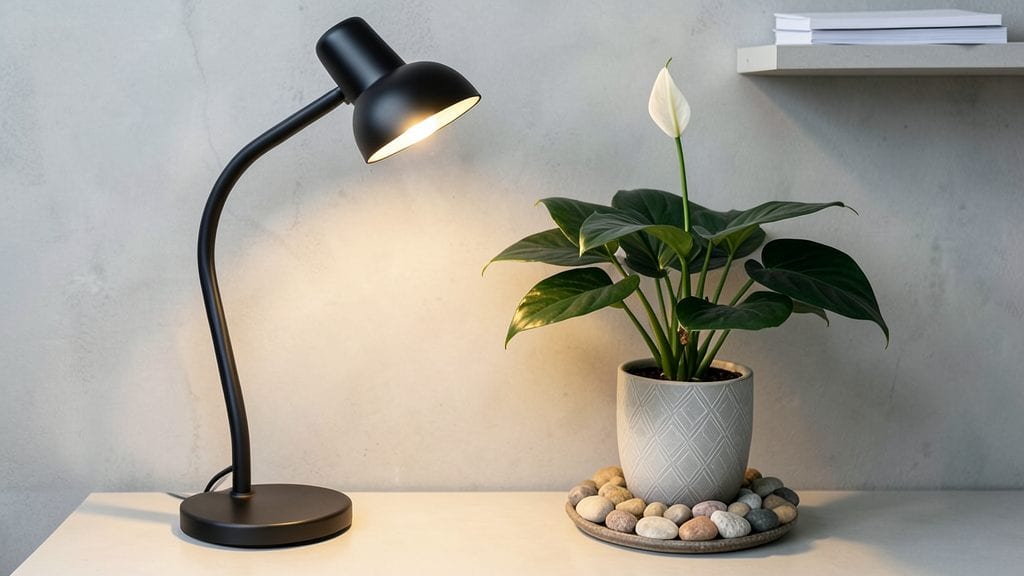
These live office plants can do more than just look good—they clean the air, lift your mood, and thrive even with minimal care, filtering toxins and reducing stress while you work. ✨ I’ve tested dozens of varieties, and the right ones do it all. by up to 40%.
The key is matching plants to your workspace’s light and humidity, then giving them just enough care to keep them lush.
The best office plants—like snake plants, pothos, or ZZ plants—survive in low light and dry air, making them perfect for cubicles or busy desks. You’ll need a few simple supplies: a pot with drainage, well-draining soil, and a spray bottle for occasional misting.
Most only need water every 2-3 weeks, and they’ll reward you with vibrant growth all year.
By the end of the month, you’ll notice the difference: fewer headaches, cleaner air, and plants that stay green even when you forget to water them. The right setup turns your workspace into a mini sanctuary without requiring a green thumb. Let’s pick the perfect plants for your office.
Whether your space is bright or dim, humid or dry, there’s a plant that will thrive—and make your workdays brighter. Here’s how to choose and care for them so they last all season long.
📚 In This Guide
- What you need
- Instructions
- Tips and common mistakes
- Wrapping up and next steps
What you need
- ● Live office plants: Choose low-maintenance varieties like snake plants, pothos, or ZZ plants (1–3 plants per room, depending on size).
- ● High-quality potting mix: Well-draining soil (1–2 bags, ~2–3 gallons each). Opt for cactus/succulent mix or all-purpose potting soil with perlite.
- ● Containers: Pots with drainage holes (1–3, depending on plant count). Sizes: 6–12 inches in diameter for small plants, 14+ inches for larger ones.
- ● Watering can or spray bottle: A light misting spray for humidity-loving plants or a narrow-spout can for precision watering.
- ● Fertilizer: A balanced liquid fertilizer (10-10-10 or 20-20-20) or slow-release granules (1–2 bottles or packets).
- ● Pruning shears: Small, sharp pair for trimming dead leaves or shaping plants.
- ○ Gloves (optional): Protect your hands from soil or sap (nitrile or gardening gloves work well).
- ○ Plant labels (optional): Small tags or a whiteboard to track plant names and care tips.
- ○ Humidity tray (optional): A shallow tray with pebbles and water for tropical plants like ferns or peace lilies.
- ○ Grow lights (optional): LED grow bulbs or a small full-spectrum lamp for low-light offices.
Step-by-Step guide to choosing and caring for live office plants
Here’s how to pick and maintain plants that’ll purify your workspace while keeping your desk vibrant.
🌱 Step 1: Select the Right Plants for Your Office Space
Start with low-maintenance, air-purifying plants that thrive in office conditions. Snake plants and ZZ plants are my top picks—they survive in low light and need watering only when the soil feels completely dry. Pothos and spider plants are equally forgiving, handling everything from fluorescent lighting to occasional neglect.
Check your workspace’s light levels first. If you’re in a dim corner, go for snake plants or cast iron plants—they’ll stay lush with minimal care. For brighter areas, pothos or peace lilies will grow faster and reward you with vibrant foliage. Avoid fussy plants like ferns or orchids unless you’re ready to commit to humidity trays and precise watering.
🪴 Step 2: Set Up the Perfect Planter and Soil
Use a 6-8 inch pot with drainage holes to prevent root rot—this is non-negotiable for office plants. I like terracotta pots because they wick away excess moisture, but plastic works too as long as it drains. Fill the pot with well-draining potting mix (avoid garden soil—it compacts and suffocates roots).
For extra insurance, add a 1-inch layer of perlite or orchid bark at the bottom of the pot before the soil. This improves drainage and keeps roots oxygenated. If your plant came in a nursery pot, repot it immediately into your chosen container—nursery pots often lack drainage and trap moisture.
💧 Step 3: Master the Watering Routine
Water only when the top 1-2 inches of soil feel dry—this is your golden rule. Stick your finger in the soil; if it’s damp, wait another day. Overwatering kills office plants faster than anything else. I water mine every 7-10 days in winter and every 5-7 days in summer, but adjust based on your office’s temperature and humidity.
Use room-temperature water to avoid shocking the roots. Pour water slowly until it drains from the bottom, then empty the saucer after 10 minutes. Yellowing leaves? You’re probably overwatering. Brown, crispy edges? It’s time to water. Find that happy medium, and your plants will thrive.
☀️ Step 4: Position for Optimal Light and Airflow
Most office plants need bright, indirect light—think near a north or east-facing window. If your office has only fluorescent lighting, rotate plants weekly so they grow evenly. Avoid direct sunlight, which scorches leaves, especially for varieties like pothos or peace lilies.
Keep plants away from drafty vents or doors. Cold drafts weaken plants, making them susceptible to pests. If your workspace is dry, mist leaves occasionally or place a tray of water nearby to boost humidity. You’ll notice healthier growth and fewer brown leaf tips when humidity stays consistent.
✂️ Step 5: Prune and Maintain for Long-Term Health
Trim yellow or damaged leaves with clean scissors to encourage new growth. I prune mine every 2-3 months, cutting just above a leaf node where new shoots can sprout. This keeps plants bushy and prevents them from looking leggy. For trailing plants like pothos, pinch back the tips to encourage fuller growth.
Dust leaves monthly with a damp cloth—this helps them absorb light efficiently. A quick wipe also prevents pests like spider mites. Fertilize every 6-8 weeks in spring and summer with a balanced liquid fertilizer (half-strength to avoid burning roots). Skip fertilizer in fall and winter when growth slows.
Tips & tricks for perfect live office plants
Transforming your workspace into a lush green haven doesn't have to be complicated—these simple tricks will help your office plants thrive without the fuss!
Selection Strategy: When choosing plants, prioritize varieties that match your office's specific conditions. Snake plants and ZZ plants are my go-to for low-light offices—they practically thrive on neglect! For brighter spaces, pothos or peace lilies grow faster and add vibrant color. Pro tip: Check your plant's natural growing patterns—if it's a jungle plant like a fern, it'll need more humidity than a desert plant like a cactus.
Soil Science: That 1-inch layer of perlite or orchid bark in Step 2 isn't just optional—it's your plant's insurance policy! This layer prevents compaction and improves aeration, which is especially important in office environments where watering might be inconsistent. I've seen plants double in health just from this simple upgrade. Remember to use well-draining potting mix exclusively—garden soil will suffocate your plant's roots.
Watering Wisdom: The 10-minute drain time after watering is crucial—don't skip it! This prevents salt buildup in the soil, which can damage roots over time. For extra insurance, I like to use the "finger test" twice: once before watering (to check dryness) and again after (to confirm drainage). In winter, I extend my watering interval to 10-14 days since most offices have lower humidity and cooler temperatures.
Lighting Hacks: If your office only has fluorescent lighting, try this trick: Place your plant near the light source for half the day, then rotate it 180 degrees for the other half. This ensures even growth and prevents your plant from leaning toward the light. For plants like pothos that can handle lower light, you can even place them in rooms with no windows at all—they'll still grow, just more slowly.
Pro Tips for Live Office Plants
- Transforming your workspace into a lush green haven doesn't have to be complicated—these simple tricks will help your office plants thrive without the fuss!
- Selection Strategy: When choosing plants, prioritize varieties that match your office's specific conditions.
- Soil Science: That 1-inch layer of perlite or orchid bark in Step 2 isn't just optional—it's your plant's insurance policy!
Frequently asked questions
Got questions about keeping live office plants thriving? You’re not alone! Here are answers to the most common concerns—from care tips to troubleshooting—so your workspace stays fresh, green, and full of life.
How often should I water my office plants?
Watering depends on the plant, but most live office plants (like snake plants or pothos) thrive with weekly watering—or when the top inch of soil feels dry. Overwatering is the #1 killer, so always check moisture levels with your finger. Pro tip: Use a self-watering pot or place plants near a humidifier to cut down on frequency!
Can I keep live plants in a low-light office?
Opt for low-light superstars like ZZ plants, cast iron plants, or peace lilies—they’re tough and adaptable. Place them near windows (even indirect light helps) or use a grow light for 6–8 hours daily. Avoid leaf drop by rotating plants occasionally for even exposure.
Are live office plants safe for pets?
Not all plants are pet-friendly! Common toxic plants (e.g., philodendrons, lilies) can harm cats/dogs. Stick to pet-safe options like spider plants, Boston ferns, or parlor palms. Always research before buying, or ask your local nursery for vet-approved picks. When in doubt, keep plants out of reach!
How do I clean my plants without damaging them?
Dust buildup blocks light, so wipe leaves gently with a damp microfiber cloth or spray with water (avoid harsh chemicals!). For stubborn grime, dip leaves in lukewarm water for 10 seconds, then pat dry. Skip the soap—it can leave residue. Do this monthly or when leaves look dull!
Why are my leaves turning yellow or brown?
Yellow leaves often mean overwatering, while brown edges signal underwatering or low humidity. Check soil moisture and adjust care. Move plants away from drafts (AC/heaters) or group them together to boost humidity. If pests (like spider mites) are the culprit, isolate the plant and treat with neem oil or insecticidal soap.
What’s the easiest live office plant for beginners?
Start with snake plants (nearly indestructible) or pothos (fast-growing and forgiving). Both tolerate neglect, low light, and irregular watering. For a pop of color, try peperomia or calathea—just keep them in brighter spots. Avoid fussy plants like orchids or ferns if you’re new!
Wrapping up and next steps
Bringing live office plants into your workspace isn’t just about aesthetics—it’s a game-changer for your air quality, productivity, and well-being! 🌿 From low-maintenance succulents to air-purifying snake plants, these green companions transform dull spaces into vibrant, healthier environments.
Whether you’re a busy professional or a plant enthusiast, the key is to start small and stay consistent.
Ready to take the next step? Pick one plant that fits your space and schedule, then watch your workspace—and mood—thrive. Your future self (and your lungs!) will thank you. 🌱✨