
Companion Plants
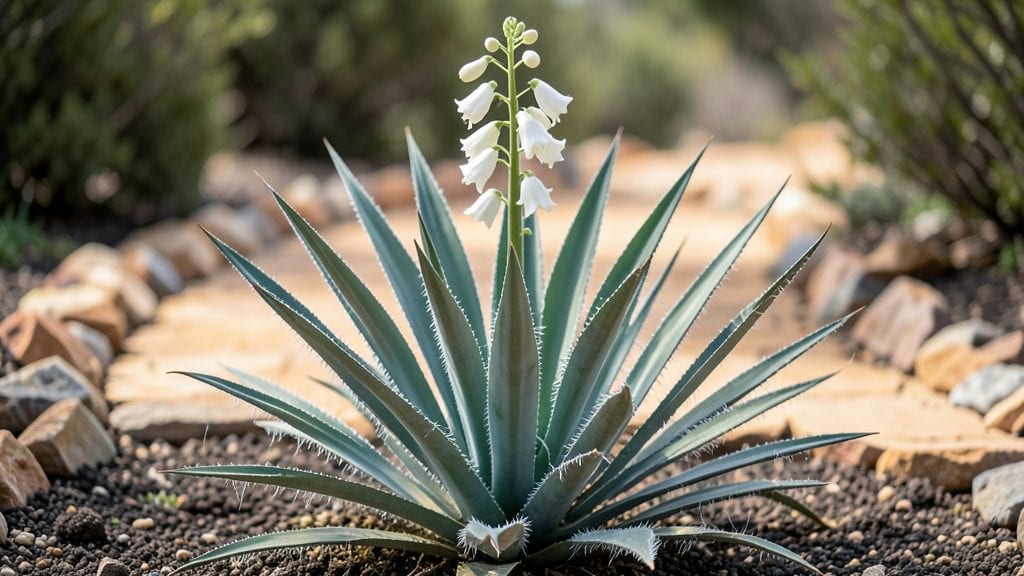
The long-lived plants don’t just survive—they thrive for decades with barely a thought from you, their glossy leaves still vibrant after half a century. 🌿 I’ve watched boxwoods in my grandmother’s yard stand tall for 50 years, while crepe myrtles in my own garden bloom. like they’re 10 years old.
The secret isn’t luck; it’s choosing the right plants and giving them just enough care to let them do what they do best: grow.
These long-lived plants need three things above all: the right soil (well-draining but rich in organic matter), occasional watering (deep but infrequent), and minimal pruning (just enough to shape them, not stress them).
Most people overwater or prune too aggressively—both kill plants faster than anything else. The best part? Many of these plants—like serviceberry trees or Russian sage—handle drought and pests like they’re nothing, once established.
You’ll end up with a garden that matures into something timeless: a backdrop of evergreen boxwoods framing a crepe myrtle’s summer blooms, or a fruit tree heavy with harvests year after year.
The payoff isn’t just beauty—it’s the quiet pride of knowing your garden will outlast you. Here’s how to make it happen without the fuss.
Works in every climate zone, from coastal California’s mild winters to the deep South’s brutal summers. The key is matching plants to your region’s natural conditions—no forcing the issue. Let’s get to the plants that’ll stand the test of time.
📚 In This Guide
- What you need
- Instructions
- Tips and common mistakes
- Wrapping up and next steps
What you need
- ● Long-Lived Plant Seeds or Saplings: Choose from species like Yucca, Agave, Boxwood, Hosta, or Hydrangea. Start with 3-5 plants to experiment with placement.
- ● High-Quality Soil: 5-10 gallons of well-draining, nutrient-rich soil (e.g., miracle-gro potting mix or compost-enriched garden soil). Avoid heavy clay soils unless amended.
- ● Organic Mulch: 2-3 bags of cedar chips, pine straw, or compost to retain moisture and suppress weeds.
- ● Watering Can or Hose: A 3-gallon watering can with a rose attachment or a soaker hose for deep, even hydration.
- ● Fertilizer: 1 bottle of slow-release granular fertilizer (e.g., 10-10-10 NPK ratio) or organic options like fish emulsion.
- ● Garden Gloves: A pair of durable, breathable gloves (e.g., workman’s forge or gardening-specific for protection).
- ● Hand Trowel or Transplant Spade: A 6-inch stainless steel trowel for digging and planting.
- ● Pruning Shears: 1 pair of sharp, bypass pruners (e.g., felco) for shaping and maintenance.
- ● Measuring Tape or Ruler: To ensure proper spacing (most long-lived plants need 2-6 feet between them).
- ○ pH Testing Kit (Optional): A digital soil pH meter to check acidity/alkalinity (ideal range: 6.0-7.0 for most long-lived plants).
- ● Sunlight Assessment: Identify a spot with 4-6+ hours of sunlight daily (adjust based on plant type—some thrive in shade!).
- ● Water Source Access: Ensure your chosen location is near a water outlet or you have a portable solution.
- ● Local Climate Knowledge: Research your USDA hardiness zone to pick plants that thrive in your area’s winters.
- ● Patience & Planning: Long-lived plants reward consistency over speed—think decades, not seasons!
- ● Test Your Soil First! 🌡️ Amend with sand or peat moss if drainage is poor.
- ● Label Your Plants ✨ Use biodegradable plant markers to track varieties and care needs.
- ● Start Small 🎯 Begin with 3-5 plants to learn their quirks before expanding.
How to select and care for long-lived garden plants
Here’s the straightforward approach I’ve used to keep perennials thriving for decades.
🌱 Step 1: Choose Plants with Natural Longevity
Focus on perennials known for their staying power—think hostas, lavender, daylilies, and ornamental grasses. These plants have deep root systems that store nutrients and survive harsh winters. I always check the USDA hardiness zone for my area to ensure the plant can handle local winters without stress.
Look for mature plants at nurseries, not young seedlings. A well-established plant with a strong root ball will establish faster and live longer. Avoid annuals or plants labeled as short-lived—they’ll need replanting every few years, which defeats the purpose of long-term elegance.
☀️ Step 2: Plant in the Right Location
Most long-lived plants thrive when planted in full sun (6+ hours of direct light daily) or partial shade (3-6 hours of light). Dig a hole twice as wide as the root ball but no deeper—this prevents root suffocation. Gently loosen the roots if they’re circling tightly, then place the plant in the hole.
Fill the hole with native soil mixed with a small amount of compost (about 1 cup per plant). Avoid heavy amendments like peat moss, which can compact over time. Water deeply after planting to settle the soil and eliminate air pockets around the roots.
💧 Step 3: Water Deeply but Infrequently
Long-lived plants develop deep roots over time, so they need deep watering—about 1 inch per week during the first growing season. Use a soaker hose or watering wand to deliver moisture directly to the root zone without wetting the foliage, which reduces disease risk.
Once established (after 2-3 years), most perennials only need watering during prolonged dry spells. Check soil moisture by sticking your finger 2 inches deep—if it feels dry, water thoroughly. Overwatering is the fastest way to shorten a plant’s lifespan, so let the soil dry out between waterings.
✂️ Step 4: Prune Strategically for Longevity
Prune late winter or early spring (just as new growth begins) to remove dead or damaged foliage. For grasses and perennials like coneflowers, cut back one-third of the previous year’s growth to encourage fresh, vibrant regrowth. Never prune into old wood—this stresses the plant and can shorten its lifespan.
Divide clumps every 3-5 years to prevent overcrowding. Dig up the plant, separate the root ball into smaller sections, and replant the healthiest divisions. This rejuvenates the plant and ensures it doesn’t outgrow its space, which can lead to decline.
🪴 Step 5: Mulch and Protect Seasonally
Apply a 2-3 inch layer of mulch (like shredded bark or straw) around the base of the plant in early spring. This retains moisture, regulates soil temperature, and suppresses weeds. Keep mulch 2-3 inches away from the plant stem to prevent rot.
In winter, add an extra layer of mulch (up to 4 inches) for insulation, especially in colder climates. This protects roots from freezing and thawing cycles, which can damage cell structure. Remove old mulch in spring and replace it with fresh material to avoid nutrient depletion.
Tips & tricks for perfect long-lived plants
Here's how I've kept my garden thriving for decades with minimal fuss—these are the secrets nobody tells you.
Selection Tip: When choosing plants, focus on their natural hardiness rather than just looks. I always look for plants with thick, sturdy stems and deep green foliage—these are visual cues of a plant that will last. For example, hostas with broad leaves and lavender with woody stems are classic long-lived winners. Don't be fooled by flashy annuals that promise quick color but won't return next year.
Planting Strategy: The hole you dig is just as important as the plant itself. In Step 2, when you're creating that hole twice as wide as the root ball, make sure to loosen the surrounding soil with a garden fork. This helps roots spread out more easily and establishes a better connection with the native soil. I also like to add a handful of mycelium-rich soil from nearby established plants—it introduces beneficial fungi that help roots establish faster.
Watering Wisdom: The 1-inch-per-week guideline in Step 3 is perfect, but there's a trick to make it even more effective. Water in the early morning so the foliage has all day to dry, reducing disease risk. I use a rain gauge to track rainfall—if we've had 1 inch of rain, I skip watering entirely. And here's a pro move: water at the base of the plant rather than overhead. This encourages roots to grow deeper rather than staying shallow.
Pruning Precision: When you're pruning in late winter or early spring (Step 4), don't just cut back what looks dead. Run your hand through the plant first—sometimes what looks like dead foliage is actually dormant growth that will come back. For grasses, I cut back to about 6 inches rather than one-third, which gives them more energy to regrow. And never use hedge trimmers—they tear rather than cut cleanly, which stresses the plant.
Pro Tips for Long Lived Plants
- Here's how I've kept my garden thriving for decades with minimal fuss—these are the secrets nobody tells you.
- Selection Tip: When choosing plants, focus on their natural hardiness rather than just looks.
- Planting Strategy: The hole you dig is just as important as the plant itself.
Frequently asked questions
Got questions about keeping long-lived plants thriving for decades? You’re not alone! Here are answers to the most common inquiries—because even low-maintenance plants need a little guidance now and then.
What are the easiest long-lived plants for beginners?
Start with hardy, low-maintenance stars like lavender, rosemary, or boxwood. Perennials like hostas and daylilies also return year after year with minimal fuss. Choose based on your climate—some thrive in heat (e.g., yucca), while others love shade (e.g., heuchera).
How often should I water long-lived plants once established?
Once established (usually after 1–2 years), most long-lived plants need water only during droughts. Aim for 1 inch of water per week, either from rain or deep watering. Overwatering is worse than underwatering—let soil dry between sessions. Mulch helps retain moisture and reduces evaporation.
Can I grow long-lived plants in containers?
Opt for dwarf varieties (e.g., miniature roses, dwarf fruit trees) or slow-growing perennials like sedum. Use containers with drainage holes and well-draining soil. Just repot every 2–3 years to refresh nutrients. Containers dry out faster, so monitor soil moisture closely.
Why did my long-lived plant suddenly stop blooming?
Common culprits include over-fertilizing (too much nitrogen = leafy growth, no flowers), poor sunlight, or age. Prune spent blooms regularly, ensure 6+ hours of sun (for most), and feed with low-nitrogen, high-phosphorus fertilizer in spring. Some plants bloom only every few years—check your species!
Do long-lived plants attract pests or diseases?
Even tough plants can fall prey to pests like aphids or diseases such as powdery mildew, especially in crowded or damp conditions. Prevent issues with:
- Good airflow (prune regularly)
- Resistant varieties (e.g., black-eyed Susans over petunias)
- Neem oil or insecticidal soap for early treatment
Can I divide long-lived perennials to expand my garden?
Yes! Most perennials (like coneflowers or irises) can be divided every 3–4 years to rejuvenate growth. Do it in early spring or fall, using a sharp spade to separate clumps. Replant divisions immediately and water well. Avoid dividing woody plants (e.g., shrubs)—they’re better propagated from cuttings.
Wrapping up and next steps
Long-lived plants are the unsung heroes of the garden—offering decades of beauty with minimal fuss. From sturdy perennials to resilient shrubs, these hardy companions prove that low-maintenance doesn’t mean low-impact.
Whether you’re a busy gardener or a beginner, their ability to thrive year after year makes them a game-changer for any landscape.
Ready to transform your garden into a timeless oasis? Start small—pick one or two long-lived plants to test in your space, then expand as you see what works best. Your future self (and your plants!) will thank you. 🌿✨