
Diseases
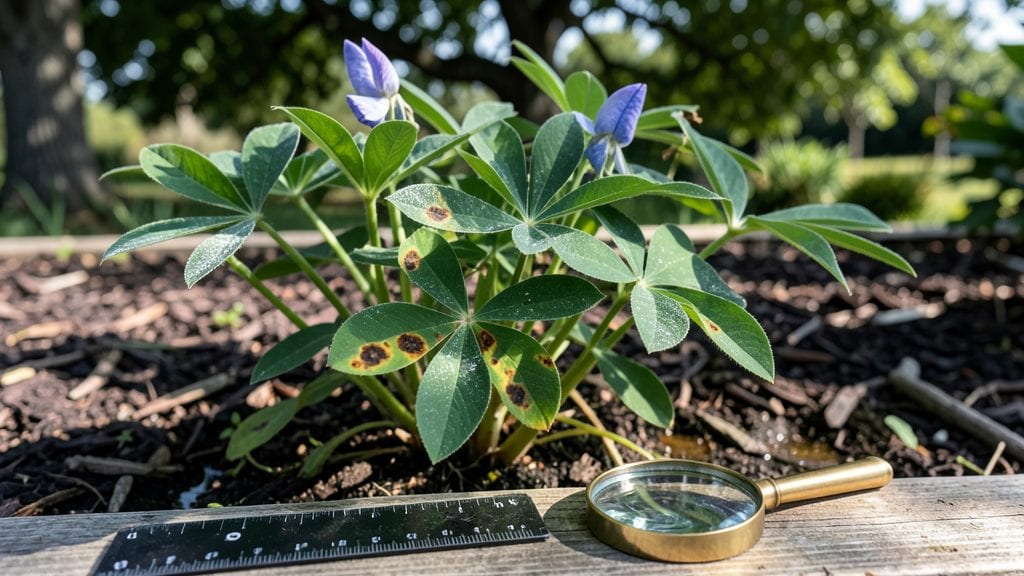
Lupine plant diseases can turn your vibrant blue spires into sad, crinkled messes if you don’t catch them early. 🌿 I’ve seen healthy lupines go from showstoppers to sad, wilted shadows in just weeks—usually because the first brown spots were ignored.
The good news? Most lupine problems come from three common culprits: fungal infections, bacterial rot, and pests that mimic disease. Once you know what to watch for, you can stop them before they spread.
Fungal diseases like powdery mildew and rust love lupines because their leaves stay damp too long. You’ll spot white fuzzy patches or orange rust spots on the undersides of leaves—classic red flags. Bacterial infections show up as water-soaked stems or yellowing leaves that smell funky when crushed.
And here’s the kicker: aphids and spider mites can cause similar damage, so don’t jump to conclusions. The key is acting fast—prune infected parts immediately and adjust your watering routine.
Prevention is easier than cleanup. Water at the base in the morning so leaves dry quickly, space plants for airflow, and avoid overhead sprinklers. If you catch a problem early, a mix of neem oil, copper fungicide, or baking soda spray can save your plants.
For stubborn cases, remove the worst offenders and sterilize your tools between cuts. With these steps, your lupines stay lush, blue, and thriving all season.
This works for both garden beds and containers, whether you’re growing annuals or perennials. The same rules apply—just scale the treatment to your plant size. Now let’s get those lupines back to their best before the next rainstorm rolls in.
Root Causes Of Lupine Illness
Lupines are hardy, vibrant plants, but they’re not immune to disease—especially when environmental or biological factors create the perfect storm. Understanding why these issues arise is the first step to prevention. Below, we break down the key culprits behind lupine plant diseases, from soil-borne pathogens to weather-related stress.
Fungal infections are the #1 enemy of lupines, thriving in damp, nutrient-rich soil. The most common offenders include:
- Phytophthora Root Rot 🍄 - Why it happens: This water-loving fungus spreads in waterlogged or poorly drained soil, where oxygen levels drop and roots suffocate.
Lupines, with their deep taproots, are especially vulnerable when planted in heavy clay or compacted ground. - Actionable insight: Test your soil’s drainage—if water pools after 6+ hours, amend with sand, perlite, or compost to improve aeration.
- Powdery Mildew (Erysiphe spp.) - Why it happens: High humidity (70%+), stagnant air, and crowded plants create ideal conditions for this fungal film.
Lupines grown in shady or enclosed spaces (like greenhouses) are at higher risk. - Actionable insight: Space plants 12–18 inches apart and improve airflow with fan circulation or pruning.
- Verticillium & Fusarium Wilt - Why it happens: These soil-borne fungi persist for years, entering plants through root wounds.
Lupines stressed by nutrient deficiencies (especially phosphorus) or overwatering become easier targets. - Actionable insight: Rotate crops every 3–4 years and avoid planting lupines where infected plants grew before.
Bacteria like Xanthomonas and Pseudomonas exploit weak plants, often entering through physical damage (e.g., pruning cuts, insect bites). Here’s how they gain a foothold:
- Leaf Spot Diseases (Bacterial Blight) - Why it happens: Splashing water (from rain or overhead irrigation) spreads bacteria from infected leaves to healthy ones.
Warm, wet conditions (60–80°F) accelerate spread. - Actionable insight: Water at soil level (use drip irrigation) and remove infected foliage immediately to prevent cross-contamination.
- Crown & Stem Rot - Why it happens: Overcrowded lupines compete for resources, leading to stunted growth and weak stems.
Bacteria like Erwinia seize the opportunity, rotting the base where stems meet soil. - Actionable insight: Thin seedlings to 6–8 inches apart and avoid mulching too close to the crown (keep 2–3 inches of clearance).
Lupines are tough, but extreme conditions lower their defenses, making them susceptible to disease:
- Prolonged Rain or Drought - Why it happens: Too much moisture weakens roots, while drought stresses plants, making them more vulnerable to fungal/bacterial attacks.
Both scenarios disrupt the plant’s natural resistance. - Actionable insight: Mulch with straw or wood chips to regulate moisture and protect roots from temperature swings.
- Temperature Swings
- Why it happens: Lupines prefer cool to moderate climates (50–75°F). Sudden heatwaves or late frosts shock the plant, reducing its ability to fight pathogens.
- Actionable insight: Choose heat-tolerant varieties (e.g., Lupinus polyphyllus) and provide light shade during extreme heat.
- Poor Air Circulation
- Why it happens: Stagnant air traps moisture, creating a fungal paradise. Dense foliage or container-grown lupines (with limited airflow) are high-risk.
- Actionable insight: Elevate containers on feet and prune to open the canopy for better airflow.
Even well-meaning gardeners can accelerate disease with these mistakes:
- Overwatering - Why it happens: Lupines hate soggy roots.
Excess water drowns beneficial microbes, while also washing away nutrients, leaving plants malnourished and defenseless. - Actionable insight: Water deeply but infrequently (1–2 times per week) and check soil moisture 1 inch below the surface before watering.
- Excess Nitrogen Fertilizer
- Why it happens: Too much nitrogen promotes lush, soft growth—a buffet for pests and pathogens. Lupines prefer low-nitrogen, high-phosphorus soil for strong roots.
- Actionable insight: Use a balanced 5-10-10 fertilizer (low nitrogen) or compost tea for a gentler nutrient boost.
Insects like aphids, thrips, and beetles don’t just damage lupines—they spread diseases while feeding:
- Aphids & Whiteflies
- Why it happens: These sap-suckers inject toxins and leave honeydew (a sticky residue that attracts sooty mold), weakening plants and creating entry points for fungi.
- Actionable insight: Blast off pests with a strong spray of water or use neem oil as a preventative spray.
- Root-Knot Nematodes
- Why it happens: Microscopic worms burrow into roots, causing galls that block nutrient uptake and leave plants susceptible to secondary infections.
- Actionable insight: Solarize soil in summer (cover with clear plastic for 4–6 weeks) or plant nematode-resistant lupine varieties.
Most lupine diseases don’t strike randomly—they exploit weaknesses created by poor growing conditions. By addressing soil health, water management, airflow, and pest control, you can dramatically reduce risks before problems start. 🚀
Fixing Lupine Plant Troubles Step-by-Step
Lupines are tough little plants, but even they need a helping hand when fungal or bacterial infections strike. The good news? With the right approach, you can reverse damage, save your plants, and prevent future outbreaks—without breaking the bank or your back.
Below, we’ve mapped out practical fixes for the most common lupine diseases, paired with prevention tips to keep your garden thriving. Let’s roll up our sleeves and get to work! 🌱💪
Fungi love damp, crowded conditions—so if your lupines are battling powdery mildew, rust, or root rot, act fast with these targeted solutions.
1. Powdery Mildew: The Fluffy White Invader
**👨🍳 Cause: High humidity, poor airflow, or overcrowded plants 🔪 Fix It Fast: - Prune aggressively 🌿: Remove all infected leaves (don’t compost them—toss in the trash).
Fungi spread via spores, and even small patches can reinfect. - Spray with neem oil 🍯: Mix 1 tbsp neem oil + 1 tsp baking soda + 1 quart water + a drop of dish soap (as a surfactant).
Spray every 7–10 days** until mildew disappears. Neem oil smothers spores and strengthens plant defenses. - Boost airflow 🌬️: Space plants 12–18 inches apart and avoid watering overhead. If growing in containers, elevate pots to improve drainage.
**💡 Prevent It:
- Water in the morning ⏰ so foliage dries quickly.
- Mulch with gravel (not organic mulch) to reduce soil moisture near stems.
- Rotate crops—don’t plant lupines in the same spot yearly.
2.
Rust Fungus: Orange Pustules on Leaves 👨🍳 Cause: Warm, wet weather + susceptible lupine varieties (e.g., Lupinus polyphyllus) 🔪 Fix It Fast: - Cut back infected leaves 🗡️: Snip off only the rust-covered parts (not whole leaves) to avoid shocking the plant. - Apply copper fungicide 🛡️: Use Bordeaux mixture or copper soap** (follow label rates). Copper disrupts fungal spores without harming beneficial insects. - Encourage competition 🌱: Plant marigolds or garlic nearby—they release fungicidal compounds.
**💡 Prevent It:
- Avoid overhead watering—use drip irrigation or soaker hoses.
- Choose resistant varieties** like Lupinus arboreus (tree lupine), which tolerates rust better.
3.
Root Rot: The Silent Killer **👨🍳 Cause: Overwatering, compacted soil, or poor drainage 🔪 Fix It Fast: - Stop watering immediately 💧❌: Let the soil dry out completely before watering again. - Repot or amend soil 🏺: If in a container, replace 50% of the soil with a well-draining mix (60% potting soil, 30% perlite, 10% compost).
For in-ground plants, add coarse sand or grit to improve drainage. - Fungicide treatment 🍄: Drench roots with hydrogen peroxide (3%) or mycorrhizal fungi to outcompete pathogens.
💡 Prevent It:
- Test your soil—lupines prefer slightly acidic to neutral pH (6.0–7.0).
- Plant in raised beds if your soil stays soggy.
Bacteria are trickier—they thrive in wounds and spread via water splashes. If your lupines have black spots, oozing lesions, or wilting stems, these fixes will help.
1.
Bacterial Leaf Spot: Dark, Greasy Spots 👨🍳 Cause: Rain, contaminated tools, or infected seeds 🔪 Fix It Fast: - Remove infected leaves 🗑️: Do not compost—bag and dispose of them. - Sanitize tools 🧼: Wipe pruners with 70% rubbing alcohol between cuts. - Bactericide spray 💊: Use copper-based bactericide (like Copper Funzide) every 10–14 days for 3 weeks.
💡 Prevent It:
- Water at the base (never overhead).
- Rotate crops—don’t replant lupines in infected soil for 3 years.
2.
Bacterial Wilts: Sudden Collapse 👨🍳 Cause: Soil-borne bacteria entering through root wounds 🔪 Fix It Fast: - Pull and destroy infected plants ⚰️: Do not compost—burn or bag them. - Solarize the soil ☀️: Cover the area with clear plastic for 6–8 weeks in summer to kill bacteria. - Plant resistant varieties** 🌿: Some lupines (like Lupinus albus) are less susceptible.
**💡 Prevent It:
- Avoid over-fertilizing with nitrogen—it weakens roots.
- Use sterile potting mix if growing in containers.
No matter the issue, these universal strategies will speed up healing and boost lupine resilience:
- Strengthen immunity 💪:
- Foliar feed with seaweed extract (spray on leaves weekly for 2 weeks).
- Encourage beneficial microbes 🦠➡️🌱:
- Monitor and repeat 👀:
- Reapply treatments every 7–14 days until the problem clears.
✨ Pro Tip: If your lupines are severely infected, don’t hesitate to replace them—some diseases (like bacterial wilt) are incurable. Use the space for disease-resistant varieties next season!
By tackling issues early and methodically, your lupines will bounce back stronger—and you’ll enjoy healthy blooms for years** to come. 🌸🔥
Frequently asked questions about lupine plant diseases
What are the first signs my lupines might have a fungal infection?
Watch for white powdery patches on leaves (powdery mildew) or orange rust-colored spots (rust fungus). These usually appear on the undersides first. For root rot, look for yellowing leaves, wilting despite moist soil, or stems that feel mushy when touched.
Can I save my lupines if they already have bacterial leaf spot?
You can try! Remove all infected leaves immediately and sanitize your tools with rubbing alcohol. Apply a copper-based bactericide every 10-14 days for 3 weeks. However, if the disease spreads to stems, the plant may need removal to prevent soil contamination.
Why does my lupine keep getting powdery mildew even after treatment?
Powdery mildew thrives in humid, stagnant conditions. Check your watering habits—overhead watering keeps leaves wet too long. Space plants 12-18 inches apart, improve airflow with pruning, and water only at soil level in the morning for fastest drying.
Are there lupine varieties that naturally resist diseases?
Yes! Lupinus arboreus (tree lupine) shows better rust resistance, while Lupinus albus handles bacterial wilt better than other varieties. For containers, choose dwarf varieties like Lupinus nanus which have improved airflow naturally.
How do I know if my lupine's problems are from disease or pests?
Check for tiny insects (aphids, spider mites) on leaf undersides or sticky residue (honeydew). Diseases typically show as spots, powdery coatings, or stem rot, while pests cause curled leaves, webbing, or chewed edges. Use a magnifying glass for close inspection.