
Pests
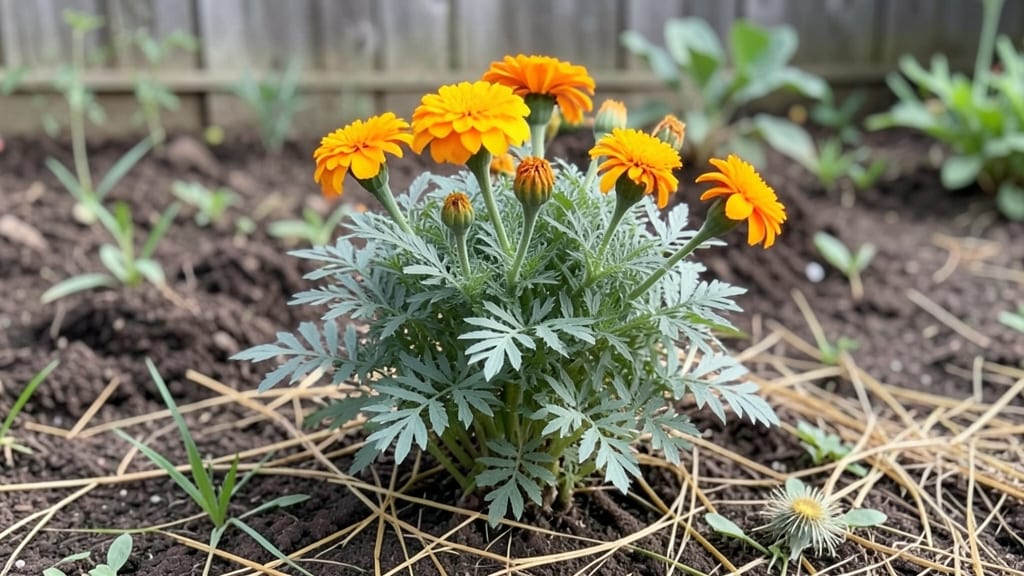
The right marigold planting distance turns these golden pest fighters into your garden’s unsung heroes 🌼 — but space them wrong, and you’ll lose their magic.
Marigolds aren’t just pretty faces. They’re the secret weapon against nematodes, aphids, and even rabbits, but only when given room to breathe. Crowd them too close, and their pest-repelling oils get diluted.
Space them too far, and you waste prime real estate. The sweet spot keeps your veggies safe and your marigolds thriving.
Whether you’re tucking them into a raised bed or a window box, I’ll break down the exact spacing for French, African, and signet varieties — plus how to adjust for containers and companion plants. No more guesswork, just proven distances that work.
Ready to turn your garden into a pest-free fortress? Let’s get those marigolds planted the right way.


Optimal marigold planting distance by variety and purpose
Marigolds thrive when given the right space to grow, but their planting distance varies dramatically depending on the variety and your garden goals. Overcrowding weakens their pest-repelling abilities, while spacing them too far apart wastes your garden's potential.
Let’s break down the ideal distances for French marigolds, African marigolds, and signet marigolds—plus how spacing impacts their effectiveness as natural pest deterrents.
French marigolds, like the popular ‘Bonanza’ series, stay compact at 12-18 inches tall and benefit from closer spacing. African marigolds, such as ‘Tangerine Gem’, grow taller (up to 3 feet) and need more room.
Meanwhile, signet marigolds, like ‘Baby’ or ‘Thumbelina’, are dwarf varieties that thrive in tight clusters. Each type has unique spacing needs to maximize both growth and pest control.
Spacing isn’t just about aesthetics—it directly affects how well marigolds produce the volatile oils that repel nematodes, aphids, and even rabbits. Too close, and their roots compete for nutrients, reducing oil production.
Too far, and you lose the companion planting benefits. Let’s dive into the specifics so you can plant with confidence.
The summary table below provides a quick reference for spacing by variety, including adjustments for container gardening and pest protection goals. Use this as your guide to create a thriving, pest-resistant garden.
For French marigolds, spacing them 8-12 inches apart ensures they form a dense, low-growing barrier perfect for repelling nematodes and aphids. This variety is ideal for edging garden beds or planting between rows of vegetables like tomatoes or peppers. Their compact size also makes them great for container gardening, where you can place 3-4 plants per 12-inch pot. If you’re growing African marigolds, their towering presence (up to 3 feet) means you’ll need to space them 12-18 inches apart to prevent overcrowding. This variety excels at deterring larger pests like rabbits and deer due to their height and strong scent. In containers, limit to 1 plant per 18-inch pot to avoid root competition. Signet marigolds, the smallest of the bunch, thrive in tight clusters with 6-8 inches between plants. Their dwarf stature makes them perfect for window boxes, hanging baskets, or as a living mulch between rows of crops. When planted closely, they create a low, dense carpet that smothers weeds and deters crawling pests like slugs. When planting marigolds for maximum pest control, consider their placement relative to other plants. For example, pairing African marigolds with tomatoes (space them 18 inches apart) creates a natural pest barrier that reduces the need for chemical interventions. Similarly, interplanting French marigolds with carrots or lettuce (spacing at 10 inches) enhances both crops’ health. In raised beds, you can reduce spacing by 20-30% since these beds offer superior drainage and nutrient access. For instance, African marigolds can be spaced 10-12 inches apart in raised beds instead of the standard 12-18 inches. This tighter arrangement boosts their pest-repelling density without sacrificing growth. One common mistake is assuming “more marigolds = better pest control”. Overcrowding reduces airflow, leading to fungal diseases
Variety
Mature Height
Spacing (Inches)
Container Spacing
Pest Control Effectiveness
French Marigolds
12-18"
8-12"
3-4" per plant
High (compact growth repels pests)
African Marigolds
24-36"
12-18"
6-8" per plant
Very High (tall stems deter flying pests)
Signet Marigolds
6-12"
6-8"
2-3" per plant
Moderate (best for borders)
How spacing impacts marigold pest-repelling power and growth
Marigolds release volatile oils like limonene and alpha-terthienyl that deter pests—but only when they have enough space to thrive. Crowded plants compete for nutrients, weakening their pest-repelling chemistry and making them more susceptible to fungal diseases.
The right spacing ensures each plant produces maximum essential oils, creating a stronger barrier against aphids, nematodes, and even rabbits.
Poor airflow from overcrowding also creates the perfect environment for powdery mildew and leaf spot diseases. When marigolds struggle, their pest-deterring compounds diminish, leaving your vegetables vulnerable. Even their vibrant color fades when plants are stressed—signaling weakened health and reduced effectiveness as a companion plant.
Proper spacing also prevents nutrient theft from neighboring plants. Marigolds with 12-18 inches between them develop stronger roots, allowing them to outcompete weeds while still sharing space with vegetables like tomatoes or peppers. This balance ensures your marigolds remain vigorous pest deterrents without stealing resources from your main crops.
For African marigolds, which grow 2-3 feet tall, aim for 18 inches apart to prevent shading smaller plants. French marigolds, with their compact 1-2 foot stature, thrive at 12 inches apart, creating dense pest-blocking borders. Signet marigolds, the smallest variety, can even be planted 6 inches apart in containers or tight borders.
One common mistake is assuming more marigolds = stronger pest control. Overplanting actually dilutes their effectiveness—each plant must have room to produce volatile oils at full capacity.
Test your spacing by planting a small grid (e.g., 3x3 feet) with 9 marigolds spaced 12 inches apartvibrant color and healthy foliage after 6 weeks.
Remember: Airflow + sunlight = stronger pest deterrence. Trim nearby plants to maintain 6+ hours of direct sun on your marigolds, and mulch around their bases to reduce competition while keeping soil moist. With the right spacing, your marigolds will become powerhouse pest repellents—not just pretty flowers. 🌼