
Companion Plants
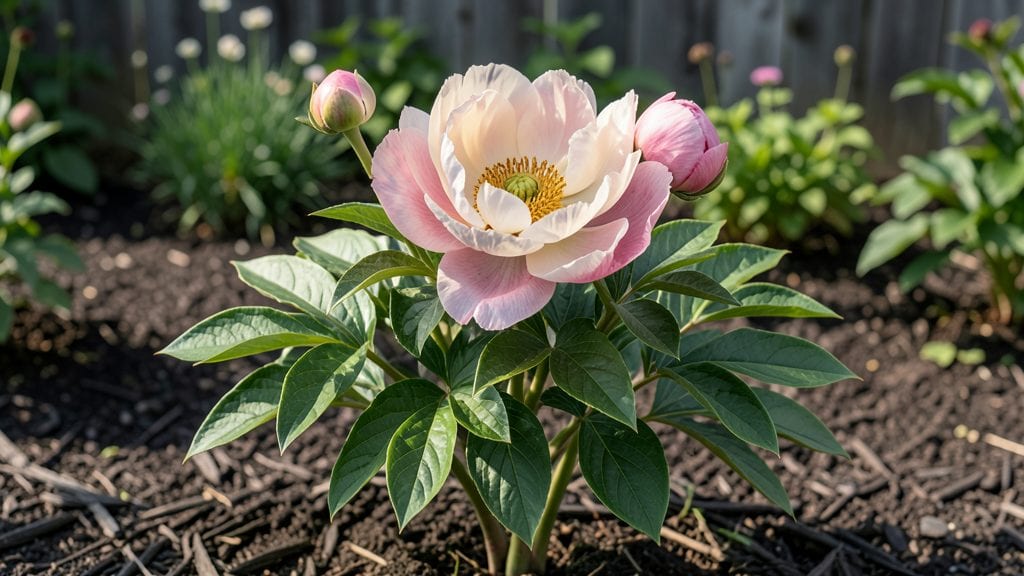
My mature peony plants are the unsung heroes of my garden—thick, woody stems that burst into vibrant blooms every spring with almost no effort from me. 🌸 The key to their year-round vigor isn’t mystery; it’s understanding their unique growth habits and seasonal needs.
Unlike younger plants, mature peonies have developed deep root systems that store energy for years, meaning they demand less water and fertilizer once established.
Pruning is where most gardeners stumble, but it’s actually simple once you know the rules. Cut back last year’s foliage in late fall or early spring, leaving just a few inches of stem—this prevents disease and encourages fresh growth.
The soil should be well-draining but rich in organic matter, and watering becomes a breeze once the roots spread wide. I’ve had the same clumps thriving for over a decade with minimal fuss.
What you’ll get is showstopping blooms that last weeks, lush green foliage that repels pests naturally, and a plant that outlives most garden trends. The secret weapon?
Patience—mature peonies reward consistency over flashy interventions. They’re the kind of plant that makes you feel like you’ve cracked the code on effortless gardening.
Works in full sun or partial shade, in containers or in-ground, and even tolerates urban pollution once established. The only real challenge is resisting the urge to over-prune or over-fertilize—trust the process, and these plants will keep delivering for generations.
📚 In This Guide
- What you need
- Instructions
- Tips and common mistakes
- Wrapping up and next steps
What you need
- ● Mature peony plants: 1-3 plants (depending on desired display size; choose Paeonia lactiflora or Paeonia officinalis for classic varieties).
- ● Well-draining soil: 50% native soil + 50% compost or peat moss (test pH: 6.5–7.0; amend with lime if acidic).
- ● Organic mulch: 2–3 inches of wood chips or straw (replenish annually).
- ● Slow-release fertilizer: 10-10-10 or 5-10-10 (apply 2–3 tbsp per plant in early spring).
- ● Pruning shears: Bypass pruners (sterilized with rubbing alcohol).
- ● Garden gloves: Heavy-duty (to protect from thorns!).
- ○ Garden fork: For loosening soil around roots (optional but helpful for established plants).
- ● Stakes or supports: 3–4 ft bamboo stakes (if stems need extra support post-pruning).
- ● Drip irrigation system: Or a watering can with a 1-gallon capacity (peonies love 1–2 inches of water weekly).
- ● Fungicide spray: Copper-based (for prevention of botrytis or powdery mildew; apply in damp seasons).
- ● Plant tags: Waterproof labels to track varieties and pruning dates.
Seasonal pruning guide for mature peony plants
Peonies thrive with strategic pruning—timing matters more than intensity. Here’s how to keep them blooming vigorously for decades.
✂️ Step 1: Prune After Blooming (Late Spring to Early Summer)
Wait until after the flowers fade but before new buds form—typically mid-June to early July. This is the only time to cut back stems. Use clean, sharp pruners to avoid crushing the woody stems, which can invite disease. Cut each stem back to 1-2 inches above the ground, removing only the spent blooms and foliage.
Don’t rush this step—peony buds for next year’s flowers form in late summer, so pruning too early disrupts their development. If you see green seed pods forming, leave them until they brown completely before pruning. These pods signal the plant’s energy is shifting toward reproduction, not blooms.
🌱 Step 2: Remove Weak or Crowded Growth (Early Fall)
In September or October, inspect the plant for thin, leggy stems or overcrowded growth. These stems rarely bloom well and compete with stronger ones for nutrients. Snip them at the base with your pruners, making sure to cut just above a healthy bud or node—never leave stubs. This encourages new, vigorous growth from the base.
Peonies multiply underground via rhizomes, so if you notice clumps of small shoots emerging around the base, gently separate and transplant 2-3 of the strongest to another spot. Overcrowding weakens blooms, and thinning now ensures next year’s flowers will be larger and more abundant.
⏰ Step 3: Light Winter Pruning (Late Winter, Before New Growth)
In February or early March, just as new shoots begin to swell, do a final check for dead or damaged stems. These appear brown, mushy, or hollow—cut them out completely. Avoid heavy pruning now; peonies store energy in their roots over winter, and aggressive cuts can stress the plant before it’s ready to grow.
If your climate experiences hard freezes, wait until after the last frost date before pruning. Cold snaps can mask dormant buds, and cutting too early removes potential blooms. A light trim here is enough—focus on cleaning up debris around the base to prevent fungal issues like botrytis blight, which thrives in damp, decaying foliage.
☀️ Step 4: Summer Maintenance for Long-Term Health
Throughout the growing season, water deeply once a week (unless rainfall provides 1 inch of moisture), keeping the soil 2-3 inches below the surface consistently damp. Peonies hate soggy roots but also wilting—their thick, woody stems store moisture, but prolonged drought stresses the plant. Mulch with 2-3 inches of organic matter (like shredded bark) to retain moisture and regulate soil temperature.
Watch for aphids or peony leaf blight—early signs include yellowing leaves or sticky residue on stems. Treat aphids with a strong spray of water or neem oil, and remove infected leaves immediately. Strong airflow (from light pruning to thin foliage) reduces humidity around the plant, preventing fungal spread. A healthy peony should have deep green, glossy leaves by mid-summer.
Tips & tricks for perfect seasonal peony pruning
Timing and technique are everything when it comes to peony care—these insights will help you avoid common pitfalls and maximize next year's blooms.
Timing is Everything: That mid-June to early July window in Step 1 is non-negotiable for peonies. I learned this the hard way after pruning too early and losing half my buds for the following season. Wait until flowers are completely faded and brown before cutting—this ensures next year's buds are fully formed. For northern climates, aim for July 4th week as a general guideline, while southern gardeners should wait until early July when nighttime temperatures consistently stay above 60°F.
Tool Selection Matters: Never use dull or rusty pruners on peonies—they crush stems and create entry points for fungal diseases. Invest in a pair of bypass pruners and clean them with rubbing alcohol between cuts. I sterilize mine after each pruning session by wiping with 70% isopropyl alcohol, which prevents cross-contamination between plants. For large-scale pruning, consider a pair of felco pruners with a 25-degree cutting angle for cleaner cuts.
Rhizome Management Strategy: When you see those clumps of small shoots in Step 2, don't just yank them out—transplant the strongest ones. I've found that dividing peony rhizomes every 3-4 years actually increases bloom size in the transplanted sections. Dig carefully to avoid damaging the main rhizome, and plant divisions at the same depth they were growing. The key is to separate them when they're about the size of a golf ball—smaller divisions may not bloom for a year or two.
Winter Preparation Tip: That light winter pruning in Step 3 is your chance to prevent botrytis blight, which can devastate peonies. After removing dead stems, spread a 2-inch layer of gravel or coarse sand around the base to improve drainage and reduce soil moisture. I also apply a 3-inch layer of straw mulch over the gravel—this creates an insulating barrier that protects roots from freeze-thaw cycles while preventing fungal spores from splashing onto the plant during spring rains.
Pro Tips for Mature Peony Plants
- Timing and technique are everything when it comes to peony care—these insights will help you avoid common pitfalls and maximize next year's blooms.
- Timing is Everything: That mid-June to early July window in Step 1 is non-negotiable for peonies.
- Tool Selection Matters: Never use dull or rusty pruners on peonies—they crush stems and create entry points for fungal diseases.
Frequently asked questions
Got questions about keeping your mature peony plants thriving? You’re not alone! Here are some of the most common inquiries—plus straightforward answers to help you master seasonal care with confidence.
How do I know if my peony plant is truly mature?
A mature peony typically takes 2–3 years to reach full bloom potential. Look for thick, woody stems (2–3 inches in diameter) and a well-established root system. Mature plants often produce 50+ buds per stem and bloom reliably for weeks. If your plant is 3+ years old but still struggling, it may need better sunlight or soil amendments!
When is the best time to prune mature peony plants?
Prune right after blooming (late spring to early summer) to avoid cutting off next year’s flower buds, which form in summer. Never prune in fall or winter—this can damage dormant growth. For deadheading, snip spent blooms at the first set of leaves below the flower to redirect energy to root development. Pro tip: Use clean, sharp shears to prevent disease!
Why aren’t my mature peony blooms opening this year?
Peonies often skip blooming due to over-pruning, poor sunlight (they need 6+ hours of direct sun), or excessive nitrogen (which fuels leaves over flowers). Check for crowded roots—divide clumps every 5–7 years if blooms dwindle. Yellowing leaves? It could signal overwatering or fungal issues. Adjust care and monitor for improvement next season!
Can I grow mature peonies in containers? If so, what’s the best setup?
Yes! Dwarf varieties (like ‘Bowl of Beauty’ or ‘Sarah Bernhardt’) thrive in 18–24-inch pots with well-draining soil (mix garden soil with perlite or sand). Use a large container to accommodate their deep roots. Place in full sun and water deeply when the top inch of soil dries. Winter care: Move pots to a garage or wrap them in burlap for frost protection.
How do I revive a mature peony that’s looking leggy or weak?
Leggy peonies often need more sunlight or fertilizer adjustments. Switch to a low-nitrogen, high-phosphorus fertilizer (like 5-10-10) in early spring to encourage blooms. Thin out crowded stems to improve airflow, and mulch with compost to retain moisture. If roots are shallow, gently loosen soil around the base. With patience, your peony should bounce back!
Bonus Tip:
Peonies are low-maintenance once established! The key is consistency—prune at the right time, avoid overwatering, and resist the urge to move them (they hate transplant shock). With these tweaks, your mature peonies will reward you with decades of lush, fragrant blooms!
Wrapping up and next steps
Mature peony plants are a rewarding addition to any garden, offering stunning blooms and year-round resilience with the right care.
By mastering seasonal pruning—whether deadheading in summer, trimming in fall, or protecting in winter—you’ll ensure their long-term health and beauty. Your efforts will pay off with lush, vibrant peonies for seasons to come!
Ready to elevate your garden? Start by observing your plants this season—adjust your pruning schedule based on their growth and local climate. Happy gardening! 🌸