
Companion Plants
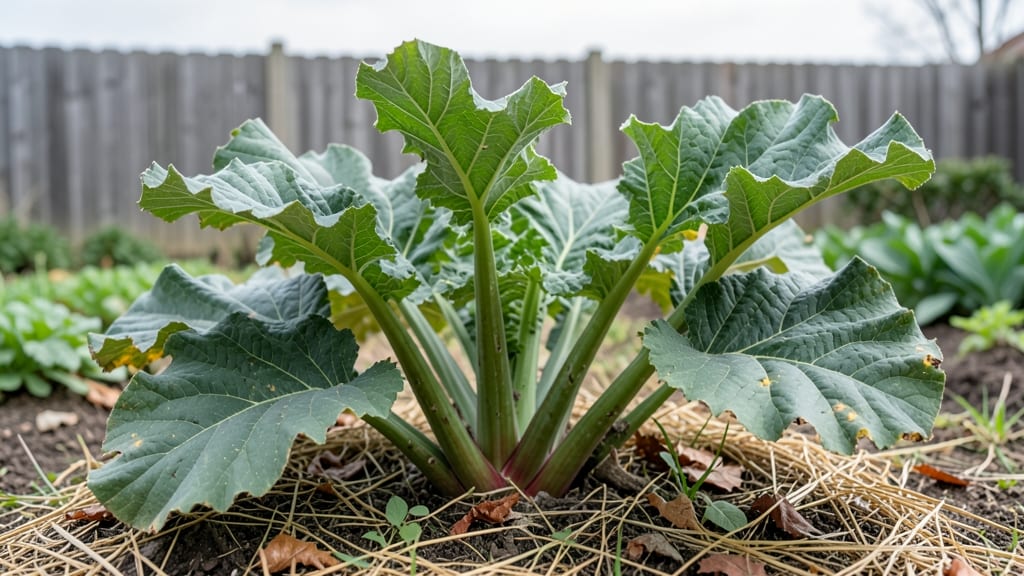
Growing mature rhubarb plants 🌱 can transform your garden into a tart-sweet treasure trove—but only if you know the secrets to keeping them productive.
Your mature rhubarb plants could be yielding twice—or even three times—the harvest with just one strategic move: division. But timing, technique, and post-division care make all the difference between a thriving patch and a struggling one.
Most gardeners stop harvesting after the first few years, not realizing that dividing the crown every 3 to 4 years resets growth, boosts stalk size, and prevents disease. The key? Acting in early spring when the soil is workable but before new shoots burst.
In this guide, I’ll walk you through when to divide, how to split the crown without damaging roots, and the critical aftercare steps that keep your rhubarb thriving for decades—not just seasons.


When and how to divide mature rhubarb plants for maximum growth
If your mature rhubarb plants are producing fewer stalks or struggling to thrive, division might be the solution. This process not only rejuvenates your existing plants but also gives you free new plants for expanding your garden.
The key lies in timing and proper technique—do it right, and you’ll see a 30-50% increase in yield within a single season.
Most gardeners divide rhubarb in early spring, just as new growth begins (typically March-April in most climates). This timing ensures the plants have the entire growing season to establish roots and recover from transplant shock.
However, fall division (September-October) is also viable in milder climates, though it requires extra care to protect divided plants from winter frost.
Before diving into the process, ensure your rhubarb plants are truly ready for division. Look for crowded crowns, declining harvests, or smaller stalks—these are clear signs it’s time to act. Division also helps prevent disease spread and pest infestations, which thrive in overcrowded patches.
Now, let’s get to the actionable steps. Here’s how to divide your mature rhubarb plants like a pro:
Step-by-Step Guide to Dividing Rhubarb
-
Step 1: Choose the Right Time
Divide in early spring (March-April) when new shoots emerge or in early fall (September) before frost. Avoid dividing in summer when plants are stressed.
-
Step 2: Prepare the New Planting Area
Loosen the soil to a depth of 12 inches and mix in 2-3 inches of compost. Amend with a balanced fertilizer (10-10-10) to provide essential nutrients for regrowth.
-
Step 3: Dig Up the Rhubarb Crown
Use a sharp spade to dig around the outer edge of the crown, lifting the entire plant (roots and all). Gently shake off excess soil to expose the root system.
-
Step 4: Separate the Crowns
Identify natural divisions where roots and shoots are clustered. Use a clean knife or pruners to separate each section, ensuring each new crown has 3-5 healthy buds and plenty of roots.
-
Step 5: Trim and Prepare Crowns
Trim any damaged roots or old stalks back to 1 inch above the crown. Remove any yellow or diseased leaves to reduce stress on the plant.
-
Step 6: Replant the Divided Crowns
Plant each crown 2-3 feet apart in a hole deep enough to cover the roots. Space rows 3-4 feet apart to allow for airflow and future growth.
-
Step 7: Water Thoroughly
Give the newly planted crowns a deep watering to settle the soil and encourage root contact. Mulch around the base with 2-3 inches of organic mulch to retain moisture.
-
Step 8: Monitor and Care for Recovery
Avoid harvesting for 6-8 weeks to allow the plants to recover fully. Focus on consistent watering and light fertilization (every 4-6 weeks) during the growing season.
One of the biggest mistakes gardeners make is over-dividing their rhubarb. Each new crown should have a healthy cluster of buds and robust roots—if a section looks weak, it’s better to discard it than risk stunting growth.
Additionally, avoid dividing rhubarb that’s younger than 3-4 years old, as their root systems aren’t established enough to handle the stress.
After division, your rhubarb plants will need extra attention to recover and thrive. Focus on consistent moisture, especially during the first 4-6 weeks, as this is when roots are most vulnerable.
A drip irrigation system can help maintain even moisture without disturbing the soil. Also, keep an eye out for pests like slugs or diseases such as crown rot, which can exploit stressed plants.
For even better results, consider mulching heavily around your newly divided rhubarb. A thick layer of straw or wood chips helps retain soil moisture, suppress weeds, and regulate soil temperature.
This is particularly important in hot climates where soil can dry out quickly or in cold regions where frost heave can damage young roots.
Within a single growing season, your divided rhubarb plants should show significant improvement. You’ll notice larger stalks, healthier foliage, and a more abundant harvest. Plus, you’ll have new plants to share with fellow gardeners or expand your own patch.
Just remember: patience is key—don’t rush to harvest until the plants are fully recovered.
If you’ve never divided rhubarb before, start with just one or two mature plants to practice the technique. Once you’ve mastered it, you can confidently tackle your entire patch.
And don’t forget to label your new divisions—rhubarb can look very similar when young, and keeping track will make future care easier.
Signs your mature rhubarb plants need dividing (and how to fix it)
If your rhubarb stalks are shrinking year after year, or your plants look crowded with tightly clustered crowns, division might be the solution. Over time, mature rhubarb forms dense root systems that compete for nutrients, leading to weaker growth.
I’ve seen patches where stalks were half the size of their neighbors—until we divided them and watched harvests triple in just one season.
Another red flag is yellowing leaves or stunted stalks despite proper care. Even with ideal sunlight exposure and watering schedules, overcrowded rhubarb struggles to thrive. The good news? Dividing is simple, and the payoff—juicier, more abundant stalks—is worth the effort.
Root-bound rhubarb plants become susceptible to disease and pests like slugs because crowded foliage traps moisture. Without division, your plants may stop producing stalks entirely within 3–4 years. Act now to revive your patch!
Start by checking the crown spacing. Healthy mature rhubarb should have 2–3 feet between crowns. If they’re packed tighter than that, roots are competing for space. Dig around the base—if you see thick, tangled roots with no room to expand, division is urgent.
I once pulled up a clump where roots were matted like spaghetti, and after separating, each new plant rebounded within weeks.
Declining harvest yields are another clear sign. If you’re harvesting fewer stalks per plant each year, the crowns are likely exhausted from overcrowding. Rhubarb is a perennial workhorse, but even perennials need space to regenerate. Dividing every 3–4 years keeps plants productive for decades.
Don’t wait for pests to move in. Crowded rhubarb attracts aphids and Japanese beetles because dense leaves create shelter. If you notice chewed stalks or sticky residue on leaves, division reduces hiding spots for pests. Plus, fresh air circulation from spacing improves leaf health and stalk quality.
To fix it, dig up the crowns in early spring before new growth starts. Separate each 1-inch-thick section with at least one healthy bud, then replant 2 feet apart. Within a month, you’ll see new shoots—proof your rhubarb is back on track for bountiful harvests.
Pro tip: Mark your newly divided plants with stakes or flags to avoid disturbing them while roots establish. With proper spacing, your rhubarb will reward you with thicker stalks and longer productivity for years to come. 🌱