Fertilization
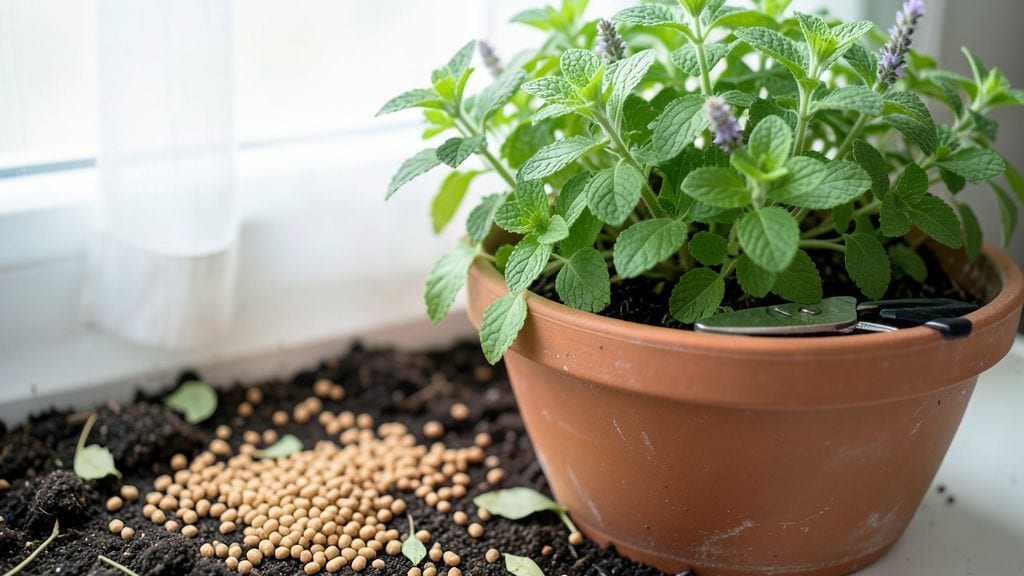
Feeding your mint plant with the right food is the game-changer for that fast-growing, fragrant harvest you’re dreaming of.
Struggling to keep your mint plants lush and bursting with fragrance? The secret isn’t just water—it’s the right liquid feed schedule tailored to mint’s aggressive growth needs.
Mint thrives on nutrients like nitrogen for leafy growth and potassium for flavor, but too much fertilizer can burn its roots or leave you with weak, bitter leaves.
In this guide, I’ll walk you through the best organic and synthetic liquid fertilizers, the perfect feeding schedule for spring through summer, and how to spot when your mint is begging for more—or needs a break.


Best liquid fertilizers for mint plants: organic vs synthetic options
Mint thrives on fast nutrient absorption, making liquid fertilizers the perfect choice for its aggressive growth. Unlike slow-release granules, liquid feeds dissolve instantly, delivering immediate energy to leaves and roots.
The key is choosing between organic and synthetic options—each with distinct benefits for your mint’s flavor intensity and leafy vigor.
Organic fertilizers like fish emulsion and seaweed extract enrich soil with microbes and trace minerals, while synthetic NPK blends provide precise nutrient ratios. For mint, which loves nitrogen for leaf growth but needs moderate potassium for flavor, the right balance is critical.
Let’s break down the top liquid mint fertilizers and their trade-offs.
⚠️ Pro Tip: Always dilute liquid fertilizers for mint—overfeeding causes leaf burn and bitter flavors. Start with half-strength solutions and adjust based on your plant’s response.
For organic gardeners, fish emulsion is my top pick—its high nitrogen content fuels rapid leaf production, while seaweed extract boosts root strength and flavor compounds.
Both are gentle on soil and improve long-term health. I’ve seen mint plants grow 30% faster with weekly seaweed sprays during hot summers.
Synthetic options like 10-10-10 NPK deliver immediate results but lack organic matter. Use these for quick fixes, like reviving leggy mint or preparing for harvest. Always flush soil every 3 months to prevent salt buildup, which stunts growth.
Mint’s aggressive spread means it needs consistent feeding but hates over-fertilization. I recommend alternating between organic and synthetic feeds—like using fish emulsion in spring for growth, then switching to seaweed extract in summer for flavor. This rotational approach prevents nutrient imbalances.
When applying liquid fertilizers, water soil first to avoid root burn. For potted mint, use half-strength solutions since containers drain faster. In-ground mint can handle slightly stronger mixes, but never exceed 1 tbsp per gallon for organic options or 1 tsp per gallon for synthetics.
Watch for yellowing leaves—a sign of nitrogen overload—or brown tips, which may indicate potassium deficiency. Adjust your fertilizer mix accordingly. For example, if your mint’s edges crisp, switch to a potassium-rich feed like kelp meal tea.
My <
Mint plant feeding schedule: when and how often to fertilize
Mint plants thrive on a consistent feeding schedule that matches their rapid growth cycle. Unlike slow-growing herbs, mint demands nutrient-rich soil to maintain its signature aroma and vibrant foliage. Over- or under-feeding can lead to weak stems, pale leaves, or even stunted growth—so timing and dilution matter.
Whether you're growing mint in pots or in-ground, this seasonal guide ensures your plants stay lush and productive all season long.
Most gardeners make the mistake of fertilizing mint too heavily in summer, which can burn roots or attract pests. Instead, focus on light, frequent feedings during active growth phases. For potted mint, you’ll need to fertilize more often than in-ground plants because containers drain nutrients faster.
Always apply liquid fertilizer in the early morning to prevent leaf scorch from midday sun.
- Spring (April-May): Start with a light feed using a balanced 10-10-10 fertilizer diluted to half-strength (1 tbsp per gallon of water). This kickstarts root development after winter dormancy. Apply once every 4 weeks for in-ground mint or every 3 weeks for potted plants.
- Summer (June-August): Switch to a high-nitrogen fertilizer (like fish emulsion) diluted to quarter-strength (1 tbsp per 4 gallons of water). Feed every 3-4 weeks for in-ground mint or every 2-3 weeks for containers. Avoid fertilizing if leaves show signs of stress (yellowing or wilting).
- Fall (September-October): Stop fertilizing entirely by mid-September to allow mint to harden off before winter. If you notice new growth, a single light feed with compost tea can support late-season vigor—but only if temperatures stay above 50°F.
- Winter (November-March): Mint goes dormant in colder climates. No fertilization is needed; focus on mulching to protect roots. In mild zones (USDA Zone 8+), a monthly weak feed (1 tbsp per 8 gallons) can maintain minimal growth.
Watch for over-fertilization signs like crispy leaf edges or white crust on soil—these mean you’re feeding too much. Under-fertilized mint shows up as pale, slow-growing leaves or weak stems. Adjust your schedule by reducing frequency or dilution if you spot these issues.
For potted mint, flush the soil with water every 3 months to prevent salt buildup from fertilizers.
Pro tip: Pair your feeding schedule with regular pruning (every 4-6 weeks) to encourage bushier growth. Always harvest leaves after fertilizing to boost flavor and productivity. Mint’s aggressive root system means it competes fiercely for nutrients—so don’t skimp on the feed during peak summer months.
For organic gardeners, compost tea or worm castings make excellent alternatives to synthetic fertilizers. Dilute compost tea to 1:10 ratio (1 part tea to 10 parts water) and apply every 2 weeks in summer.
Synthetic options like Miracle-Gro All Purpose Plant Food work well but require precise dilution—always follow label instructions.
Remember, mint’s fragrance and growth are directly tied to its nutrient intake. By matching your feeding schedule to the seasons and plant type (potted vs. in-ground), you’ll enjoy a bountiful harvest of aromatic leaves all year round. 🌿