
Planting
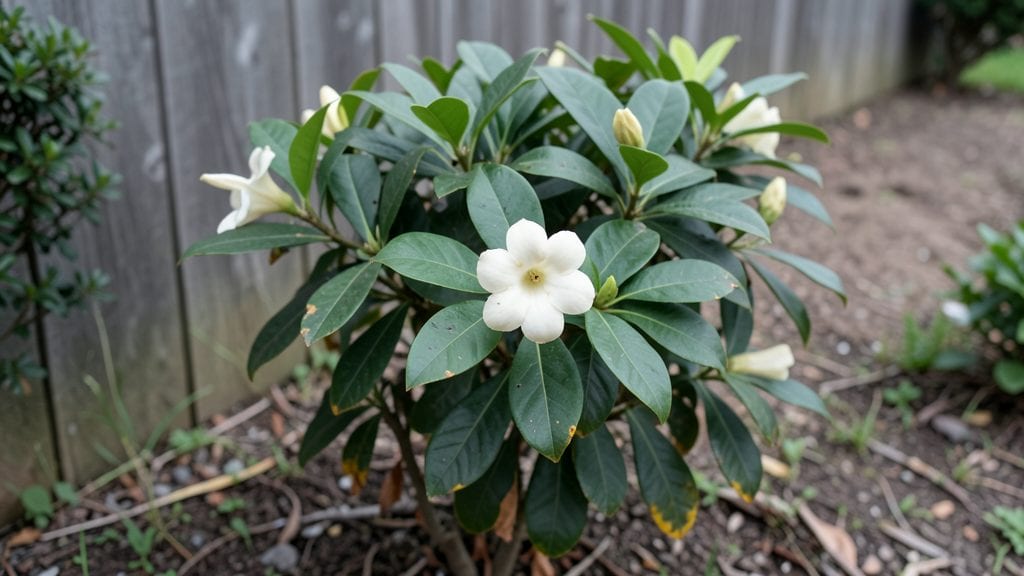
The Moon bush plant (Artabotrys hexapetalus) transforms shady corners into lush, green havens with almost no effort. I’ve grown mine for three years now, and it’s the kind of plant that thrives while you forget about it—until you notice its glossy, deep-green leaves reaching for the light.
The secret lies in its adaptability: it tolerates low light, irregular watering, and even indoor spaces where most tropical plants would struggle.
This plant doesn’t demand much—just a spot with bright, indirect light (a north-facing window or dappled shade works perfectly) and well-draining soil. You’ll rarely need to prune it, unless you want to shape it or encourage bushier growth, which means less work and more foliage.
The real magic happens in late spring when it bursts into fragrant, white flowers that smell like vanilla—though the leaves stay stunning year-round.
By summer’s end, you’ll have a full, vibrant bush that cleanses the air and adds texture to your garden or home. It’s the kind of plant that rewards patience: slow but steady growth means it’ll outlast trendy annuals and become a reliable staple.
Even if you’ve killed houseplants before, this one’s forgiving—just don’t let it sit in soggy soil.
Whether you’re filling a hanging basket, lining a patio, or brightening a dim corner, the Moon bush adapts effortlessly. Here’s how to keep it thriving—no green thumb required.
📚 In This Guide
- What you need
- Instructions
- Tips and common mistakes
- Wrapping up and next steps
What you need
- ● Moon Bush Plant: 1 healthy nursery-grown Serissa foetida (check for vibrant green leaves and no signs of pests).
- ● Well-draining potting mix: 1 bag (10-15 lbs) of a blend designed for acid-loving plants (e.g., African violet or azalea mix). Pro tip: Mix in 20% perlite or orchid bark for extra aeration! 💡
- ● Container (if indoor/garden bed): For pots: 1 ceramic or plastic container (10-12" diameter) with drainage holes.
- ● For outdoor planting: A hole twice as wide as the plant’s root ball.
- ● Pruning shears: 1 pair of clean, sharp shears (sterilize with rubbing alcohol!).
- ● Watering can or hose: With a gentle spray nozzle for moisture control.
- ● Organic fertilizer: 1 bottle of balanced, slow-release fertilizer (e.g., 10-10-10 or fish emulsion).
- ○ Mulch (optional but recommended): 1 bag of pine bark or shredded leaves to retain moisture.
- ● Sunlight: Partial shade to dappled sunlight (3–6 hours of indirect light daily). Avoid harsh afternoon sun! ☀️🌿
- ● Climate: Thrives in USDA Zones 9–11; protect from frost (Zone 8 or cooler? Grow as a houseplant!).
- ● Soil pH: Acidic (5.0–6.5). Test your soil or amend with sulfur if needed.
- ● Humidity: Prefers 50–70% humidity (mist leaves or use a pebble tray indoors).
- ● Patience: Moon Bush grows slowly—give it time to establish before heavy pruning! ⏳
- ● Grow lights for indoor setups (LED full-spectrum bulbs).
- ● Decorative stones or moss for a naturalistic container look.
- ● Slow-release fertilizer spikes for hassle-free feeding.
Instructions for planting and caring for Moon bush
Here’s how to grow this low-maintenance shrub with glossy leaves that stay lush year-round.
Choose the Right Location for Planting
Moon bush thrives in partial shade to full sun, but it tolerates some morning sun if your climate is hot. I always pick a spot where it gets at least 4 hours of indirect light daily—this prevents leaf scorch. Avoid deep shade, as the foliage will grow sparse and lose its signature glossy texture.
Test the soil by digging a small hole and checking moisture. Moon bush prefers well-draining soil—if your yard holds water after rain, amend with 2-3 inches of compost or sand mixed into the top 12 inches of soil. The roots hate soggy conditions, so drainage is non-negotiable.
Dig and Plant at the Correct Depth
Dig a hole twice as wide as the root ball but only as deep as the container’s base. This prevents burying the stem too deeply, which can cause rot. Gently remove the plant from its pot and loosen any circling roots with your fingers—this encourages outward growth.
Place the shrub in the hole so the top of the root ball sits level with the surrounding soil. Fill the gap with native soil, pressing lightly to remove air pockets. Water deeply until moisture reaches 6 inches down—this settles the soil and helps roots establish contact. Mulch with 2-3 inches of organic mulch (like shredded bark) to retain moisture and suppress weeds.
Water Consistently During the First Year
Keep the soil evenly moist but not soggy for the first 12 months. Water 1-2 times per week, depending on rainfall, until the plant is fully established. You’ll know it’s thirsty when the top 1-2 inches of soil feel dry—stick your finger in to check. Overwatering is the biggest mistake; yellowing leaves mean you’re drowning the roots.
After the first year, reduce watering to once every 2 weeks unless your area experiences a heatwave. Moon bush is drought-tolerant once mature, but young plants need consistent moisture to develop a strong root system. Avoid wetting the foliage when watering to prevent fungal issues.
Prune Only When Necessary
This shrub’s name says it all—it requires minimal pruning. Trim back 1/3 of the oldest stems in early spring to encourage new growth and maintain shape. Use clean, sharp pruners to make cuts just above a leaf node. Avoid heavy pruning in fall, as it stresses the plant before winter.
Remove any dead, diseased, or crossing branches year-round to keep airflow good. If your Moon bush gets leggy, a light trim in late summer can stimulate bushier growth. Never prune more than 20% of the plant at once—this ensures it doesn’t go into shock.
Fertilize Lightly for Healthy Growth
Apply a balanced, slow-release fertilizer (like 10-10-10) once in early spring and again in mid-summer. Follow the package instructions for dosage—too much fertilizer burns roots. I skip fertilizer in fall and winter, as the plant enters dormancy and doesn’t need extra nutrients.
If your Moon bush looks pale or growth slows, a light application of compost around the base in spring can boost soil health without overfeeding. Avoid high-nitrogen fertilizers, which promote leafy growth at the expense of sturdy stems.
Tips & tricks for perfect Moon bush plant care
Growing a thriving Moon bush is easier than you think—once you know these key strategies for long-term success.
Light Balance is Everything: In Step 1, when choosing your planting spot, pay close attention to how sunlight shifts throughout the day. Morning sun is generally safer than afternoon heat, which can scorch delicate leaves. I've found that east-facing locations often provide that perfect balance of indirect light. If your yard gets intense afternoon sun, consider a spot near a building or tree that provides afternoon shade while still allowing morning sunlight.
Soil Preparation Prevents Problems: The instructions mention amending with compost or sand, but here's what nobody tells you—test your soil first. If you're unsure about drainage, do a simple percolation test: Dig a hole, fill it with water, and time how long it takes to drain. If water remains after 6 hours, you definitely need to amend. I've seen Moon bushes fail spectacularly in heavy clay soil despite following all other instructions perfectly.
Watering Wisdom for First-Year Roots: During that critical first year, the 1-2 times per week watering guideline is just a starting point. The real secret is consistency. I recommend setting a calendar reminder to check soil moisture rather than relying on memory. In hotter months, you might need to water every other day, while cooler weather could extend it to weekly. Always water at the base, avoiding the foliage to prevent fungal issues that can develop from wet leaves.
Pruning Precision Pays Off: When it comes to pruning in Step 4, timing matters almost as much as technique. Early spring is ideal because the plant is just waking up from dormancy and can handle the stress. I've made the mistake of pruning too late in spring when new growth was already underway—this can leave your Moon bush looking ragged. Also, always make cuts at a 45-degree angle just above a leaf node to encourage new growth from that point.
Pro Tips for Moon Bush Plant
- Growing a thriving Moon bush is easier than you think—once you know these key strategies for long-term success.
- Light Balance is Everything: In Step 1, when choosing your planting spot, pay close attention to how sunlight shifts throughout the day.
- Soil Preparation Prevents Problems: The instructions mention amending with compost or sand, but here's what nobody tells you—test your soil first.
Frequently asked questions
How often should I water my moon bush?
The moon bush is drought-tolerant once established, so water deeply 1-2 times per week during dry spells (adjust for clay soil or extreme heat). Let the top 2-3 inches of soil dry out between waterings. Overwatering risks root rot—always ensure pots have drainage holes!
When is the best time to prune my moon bush?
Prune lightly in early spring (before new growth) to shape the plant or remove dead branches. Avoid heavy pruning—moon bushes thrive with minimal trimming. Never prune in fall or winter, as it can stress the plant before dormancy.
Can moon bushes survive winter in cold climates?
Moon bushes are hardy to USDA Zones 9-11 but may need protection in colder areas. Mulch the base with 2-3 inches of organic mulch (like straw) and wrap young plants in burlap. In pots, move them to a sheltered spot or indoors (near a bright window).
What are some alternatives if moon bush isn’t available?
If you love the moon bush’s silvery foliage and low-maintenance vibe, try these lookalikes:
- Texas Ranger (Leucophyllum frutesens) – Drought-proof with purple blooms.
- Frosted Fire (Euphorbia ‘Frosted Fire’) – Cold-hardy with striking variegation.
- Dwarf Mexican Bush Sage (Salvia leucantha ‘Midnight’) – Velvety purple flowers.
Why are my moon bush leaves turning yellow or dropping?
Yellowing leaves usually signal overwatering or poor drainage. Check for:
- Soggy soil – Reduce watering and improve drainage.
- Fungal issues – Prune affected areas and avoid wetting foliage.
- Too much sun – Move to partial shade if leaves scorch.
Wrapping up and next steps
The Moon Bush plant is a low-maintenance gem that rewards gardeners with lush, year-round greenery and minimal fuss! Whether you're a seasoned plant parent or just starting, its hardy nature and striking foliage make it a perfect addition to any outdoor space. 🌿
Ready to bring some effortless beauty to your garden? Start by gathering your supplies and choosing the perfect spot—then watch your Moon Bush thrive with confidence! Plant it, admire it, and enjoy the green rewards all year long.