Diseases
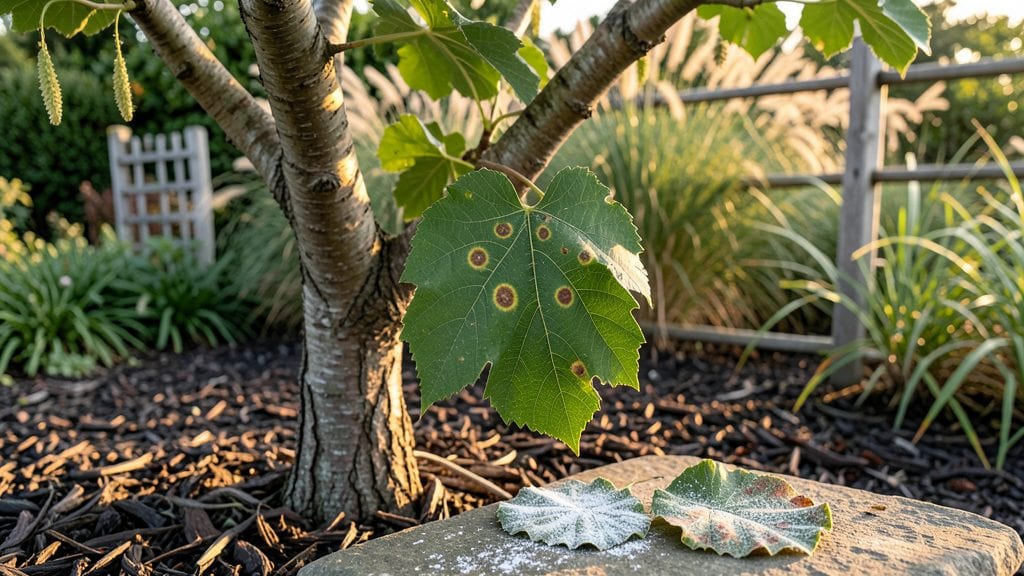
Mulberry plant diseases can turn your lush tree into a shadow of its former self if you don't catch them early. 🌿 I've seen anthracnose turn vibrant leaves to brown slime, powdery mildew coat branches like ghostly frost, and root rot silently strangle a tree from below—all in my own backyard.
The good news? Most issues respond to simple fixes if you spot them soon enough.
These problems usually start with environmental stress—too much moisture, poor airflow, or crowded branches. Mulberries are tough, but even they need proper spacing, occasional pruning, and the right soil drainage.
I learned the hard way that skipping these basics invites trouble. The key is checking leaves regularly for weird spots, sticky residues, or sudden wilting—those are your first warnings.
Once you identify the issue, treatments are straightforward: copper sprays for fungal spots, sulfur dust for mildew, and improved drainage for rot. I’ve even used a mix of baking soda and soap spray (yes, really) to stop powdery mildew in its tracks.
The goal isn’t just to fix the problem but to create conditions where your tree stays healthy long-term.
Whether you're dealing with a young sapling or a mature tree, these strategies work. The difference between a struggling mulberry and a thriving one often comes down to acting fast and giving your tree what it needs. Let’s get your tree back to its best—and keep it that way.
Root Causes Behind Mulberry Ailments
Understanding why mulberry plants fall prey to diseases is the first step to preventing them. These issues rarely occur in isolation—they’re often the result of a perfect storm of environmental, biological, or cultural factors. Let’s break down the key culprits that turn your thriving mulberry trees into struggling survivors.
Mulberry trees thrive in well-draining, slightly acidic to neutral soil (pH 6.0–7.5). When soil conditions veer off course, diseases like root rot or anthracnose gain a foothold.
- Compacted or Waterlogged Soil 💦 Mulberries hate soggy roots. Overwatering, poor drainage, or heavy clay soil restrict oxygen, creating the ideal breeding ground for Phytophthora (a water mold) and Fusarium fungi.
These pathogens thrive in anaerobic (low-oxygen) conditions, rotting roots and stems. Actionable fix: Amend soil with compost or sand to improve aeration. Elevate planting beds if your yard floods easily.
- Nutrient Deficiencies or Excesses 🌿➡️💀 Too much nitrogen (common with over-fertilizing) weakens structural defenses, making leaves soft targets for powdery mildew or leaf spot diseases.
Conversely, deficiencies in magnesium, iron, or zinc (visible as yellowing between veins) stress the plant, inviting fungal infections. Actionable fix: Test soil annually and balance fertilizers. Use organic matter (like worm castings) for slow-release nutrients.
Mulberries are hardy but not invincible. Temperature swings, humidity spikes, or prolonged drought create stress that opens the door to pathogens.
- High Humidity & Rainfall 🌧️🍄 Fungal diseases like anthracnose and rust spread rapidly in damp conditions.
Wet leaves for more than 12 hours provide the perfect moisture film for spores to germinate and infect. Actionable fix: Prune for airflow, avoid overhead watering, and apply copper fungicide preventatively during rainy seasons.
- Heat Stress & Drought 🔥💧 Mulberries wilt under prolonged dry spells, weakening their immune response. Bacterial leaf scorch and spider mites (which thrive in dry heat) exploit this vulnerability. Actionable fix: Mulch heavily to retain moisture and water deeply during droughts. Drip irrigation reduces leaf wetness.
Some mulberry diseases aren’t caused by pathogens alone—they hitch a ride on pests. Aphids, scale insects, and Japanese beetles don’t just damage leaves; they transmit viruses and bacteria.
- Sap-Sucking Insects (Aphids, Scale) 🐜💉 These pests inject toxins while feeding, causing yellowing, curling, and stunted growth. They also spread mulberry mosaic virus, which has no cure and stunts fruit production. Actionable fix: Blast off pests with neem oil or introduce ladybugs (natural predators).
Remove heavily infested leaves immediately.
- Boring Insects (Mulberry Pyralid Moth) 🐛🌳 Larvae tunnel into stems, creating entry points for bacterial canker (Pseudomonas syringae). Infected wood turns brown, oozes sap, and can girdle the tree. Actionable fix: Prune and destroy infested branches. Apply kaolin clay as a physical barrier to deter adults.
Dense plantings or neglected debris create a disease hotspot. Mulberries left unpruned or planted too closely suffer from poor airflow, trapping moisture and spores.
- Stagnant Air & Debris 🍂🍄 Fallen leaves, old fruit, and pruning waste harbor fungal spores over winter. When spring arrives, these spores launch a full-scale invasion. Actionable fix: Rake up debris promptly and sterilize pruners with rubbing alcohol between cuts.
- Stress from Competition 🌳🔗 Mulberries planted too close to aggressive roots (like black walnut) or other trees compete for resources, weakening their defenses. Root grafts between mulberry and infected neighbors can also spread diseases like armillaria root rot. Actionable fix: Space mulberries 15–20 feet apart and avoid planting near known disease carriers.
While pesticides and fertilizers help, overuse or incorrect application can backfire, inviting more problems.
- Fungicide Resistance 🍄⚔️ Repeatedly using the same fungicide (e.g., chlorothalonil) selects for resistant fungal strains. Suddenly, your usual spray becomes ineffective. Actionable fix: Rotate fungicides with baking soda sprays (1 tbsp baking soda + 1 quart water + a drop of dish soap) for organic control.
- Herbicide Drift or Soil Toxicity 🌿🚫 Residual herbicides (like glyphosate) in soil can weaken mulberry roots, making them susceptible to secondary infections. Even "safe" mulches (like black plastic) can suffocate roots if not managed. Actionable fix: Test soil for herbicide residues before planting.
Use organic mulch (straw, wood chips) and avoid plastic barriers.
Not all mulberry varieties are created equal. Some cultivars are bred for disease resistance, while others are sitting ducks.
- Vulnerable Varieties 🌿🛡️ Illinois Everbearing and Red River mulberries are prone to anthracnose without proper care, while Texas Evergreen handles heat better but may succumb to bacterial blight in wet climates. Actionable fix: Choose disease-resistant hybrids like ‘Chestnut’ or ‘Illinois Improved’ if your region has a history of specific pathogens.
- Young or Old Trees 🌱🌳 Seedlings lack the vigor to fight off infections, while aged mulberries (20+ years) have weakened bark and reduced sap flow, making them prime targets for canker diseases. Actionable fix: Monitor young trees closely and rejuvenate old trees with pruning to remove dead wood.
Pro Tip: 💡 The best defense is offense—combine cultural practices (proper spacing, sanitation) with preventative sprays (neem oil, copper fungicide) to starve diseases before they start.
How to Fix Mulberry Plant Ailments
Once you’ve identified the issue plaguing your mulberry plants, it’s time to take action! Early intervention is key to saving your harvest and keeping your garden thriving. Below, we’ve mapped out practical, step-by-step solutions for each common disease, along with prevention tips to stop future outbreaks.
Think of this as your mulberry plant’s emergency first-aid kit—clear, actionable, and designed to work.
**🔥 Cause: Overwatering, poor drainage, or contaminated soil 👨🍳 Fix It Fast:
- 🌱 Prune the Damage:
- Use
- Cut 1–2 inches above the soil line for severely infected stems to encourage new growth.
- 💦 *Drain the Problem:**
- If your mulberry is in a pot,
- For in-ground plants, raise the soil level around the base with compost or gravel to improve airflow.
- 🍄 Fungal Foe? Fight Back!
- Alternative: Mix 1 tsp baking soda + 1 quart water + a drop of dish soap and spray foliage (test on a small area first).
💡 Prevent Relapse:
- Water at the base (avoid wetting leaves) and only when the top 1–2 inches of soil are dry.
- Mulch with straw (not wood chips) to reduce soil moisture retention.
- Rotate crops if growing mulberries in containers—don’t reuse soil without sterilizing (bake at 200°F for 30 mins).
🔥 Cause: High humidity, poor airflow, or crowded plants 👨🍳 Fix It Fast:
- 🌬️ *Boost Airflow:**
- Avoid overhead watering—use a soaker hose or drip irrigation instead.
- 🧼 *Scrub & Spray:**
- Spray with neem oil solution (1 tbsp neem oil + 1 tsp mild soap + 1 quart water) every 5–7 days until cleared.
- 🌡️ Heat Treatment (Severe Cases):
- If mildew persists,
💡 Prevent Relapse:
- Water early in the day so foliage dries quickly.
- Plant mulberries in full sun (6+ hours/day)—shade encourages mildew.
- Choose resistant varieties** like Morus alba if mildew is recurrent.
**🔥 Cause: Fungal spores spread by rain, wind, or contaminated tools 👨🍳 Fix It Fast:
- 🗑️ *Clean Up Debris:**
- Sterilize pruners between cuts with 70% isopropyl alcohol.
- 🍄 Fungal Blockade:
- Homemade option: Mix 1 quart water + 1 tbsp hydrogen peroxide (3%) and spray weekly.
- 🌱 Revitalize the Plant:
💡 Prevent Relapse:
- Water in the morning to allow foliage to dry.
- Space plants to reduce humidity buildup.
- Avoid overhead sprinklers—use drip irrigation instead.
🔥 Cause: Viral infection (no cure—focus on containment) 👨🍳 Fix It Fast (Containment Only):
- 🚫 Isolate & Remove:**
- Disinfect tools and shoes with bleach solution (1 part bleach to 10 parts water).
- 🌱 *Sanitize the Area:**
- Do not replant mulberries in the same spot for at least 2 years.
- 🛡️ *Protect Healthy Plants:**
- Avoid sharing tools between mulberry plants and other crops.
💡 Prevent Relapse:
- Buy certified disease-free plants from reputable nurseries.
- Monitor aphids (vectors for the virus)—spray with soapy water if spotted.
- Rotate crops if growing mulberries in a small garden.
To keep diseases at bay, follow this quick maintenance guide:
- ✅ Prune regularly to improve airflow.
- ✅ Water deeply but infrequently (1–2 times per week, adjust for climate).
- ✅ Sterilize tools before and after use.
- ✅ Test soil pH (ideal: 6.0–7.0)—amend with lime or sulfur if needed.
- ✅ Rotate crops if growing mulberries in containers or small plots.
🎯 Final Tip: Act fast, but stay patient. Some diseases (like root rot) require weeks to months to fully resolve. Consistency is key—stick with treatments until you see new, healthy growth (usually 4–6 weeks). If all else fails, start fresh** with disease-resistant stock!
Frequently asked questions
What are the first signs my mulberry tree has a disease?
Look for yellowing leaves (especially between veins), dark spots with fuzzy or powdery textures, or sudden wilting. Check the undersides of leaves for pale spots or webbing—these often signal fungal infections like powdery mildew or anthracnose. Don’t ignore sticky residues (aphid honeydew) or holes in leaves (insect damage), as these can lead to secondary diseases.
Can I use household items to treat mulberry plant diseases?
Yes! For powdery mildew, mix 1 tablespoon baking soda with 1 quart water and a drop of dish soap—spray weekly. A neem oil solution (1 tbsp oil + 1 tsp soap per quart of water) works against fungal spores and pests. Always test sprays on a small leaf area first to avoid burns.
How do I know if my mulberry tree has root rot?
Root rot causes mushy, brown roots that smell foul, and the tree may wilt despite consistent watering. Check the soil—if it’s waterlogged or compacted, that’s your culprit. Pull back the top layer of soil gently; healthy roots should be firm and white, while infected ones will be blackened and slimy.
Are some mulberry varieties more disease-resistant?
‘Chestnut’ and ‘Illinois Improved’ mulberries are bred to resist common diseases like anthracnose. If your area has high humidity, opt for these hybrids. Always buy from reputable nurseries—they often carry disease-tested stock. Avoid Illinois Everbearing in wet climates; it’s more prone to fungal issues.
What’s the best way to prevent diseases in mulberry trees?
Focus on airflow and sanitation: Prune branches to 3–4 feet apart, water at the base (not overhead), and remove fallen leaves/debris. Use drip irrigation and mulch with straw (not wood chips) to reduce moisture retention. Sterilize pruners between cuts with rubbing alcohol to prevent spreading pathogens.