Container Gardens
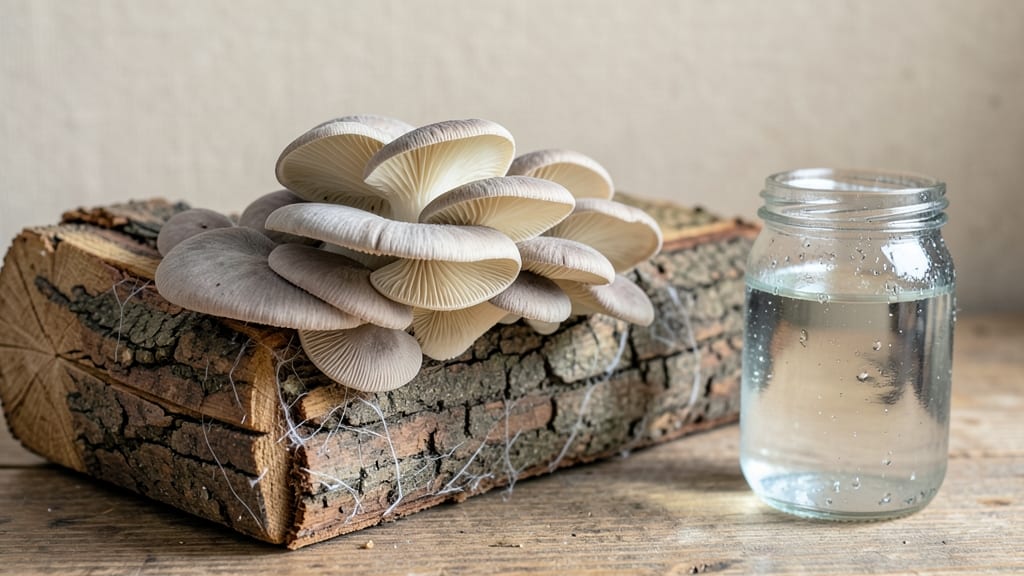
Growing a mushroom indoor plant might sound tricky, but I’ve turned my dim corner into a thriving oyster mushroom patch using just three straightforward steps. ✨ The key isn’t fancy setups—it’s matching humidity, temperature, and substrate to what these fungi naturally crave.
Most people overthink it, but the right balance makes them grow like magic.
Start with a simple substrate mix of pasteurized straw or hardwood sawdust, then layer it in a clean container. Keep the space consistently humid (think 80-90% humidity) and warm (around 70°F), and you’ll see pins—those tiny mushroom stems—emerge in about two weeks.
The best part? They thrive in low light, making them perfect for offices or sunless rooms.
By week four, you’ll have clusters of plump, earthy mushrooms ready to harvest. They taste fresh, nutty, and slightly sweet—nothing like store-bought. Plus, the process is oddly satisfying, like watching a tiny forest grow on your shelf. Here’s how to keep them healthy and productive all season.
This method works for oyster, shiitake, and lion’s mane mushrooms, and it’s safe for beginners. Just avoid toxic species like death caps, and you’re golden. Let’s get those mushrooms growing!
Why Your Indoor Mushroom Plant Struggles
Indoor mushroom plants—like Oyster, Shiitake, or Lion’s Mane—are low-light champions, but they’re not invincible. When they wilt, fail to fruit, or develop mold, it’s usually a sign of environmental stress.
Understanding the root causes helps you tweak care routines for a thriving harvest. Here’s why your mushroom plant might be underperforming, backed by science and actionable fixes.
Mushrooms thrive in high humidity (80-90%), but too much water drowns their delicate mycelium (the root-like network). Unlike soil-based plants, mushrooms absorb moisture through osmosis—excess water disrupts this process, leading to:
- Root rot: Mycelium suffocates in soggy conditions, turning brown and mushy. Fusarium and Pythium fungi exploit this, causing irreversible damage.
- Mold growth: White, green, or black fuzzy patches (like Trichoderma) compete with your mushrooms for nutrients, stunting growth.
- Stunted fruiting: Overhydration triggers mushrooms to focus on survival, not producing caps or stems.
💡 Pro Tip: Use a spray bottle for misting instead of submerging the block. Let the top inch of substrate dry between waterings—stick your finger in to test. If it’s damp, wait 24–48 hours.
Mushrooms need fresh air to exchange gases (oxygen for respiration, CO₂ for growth). Stagnant air creates a microclimate that traps heat and moisture, inviting:
- Bacterial blooms: Pseudomonas bacteria thrive in still air, causing slimy, yellowish lesions on caps.
- Contamination: Spores from competing fungi (like Aspergillus) spread unchecked, leading to black or pink mold.
- Weak structure: Low airflow reduces hyphal density, resulting in thin, brittle stems that snap easily.
🌡️ Fix It: Place a small USB fan (set to low) 6–12 inches away from your mushroom block for 1–2 hours daily. Aim for a gentle breeze—not a hurricane! For grow bags, unzip them slightly to improve ventilation.
Mushrooms are 80–90% water by weight, but humidity that’s too low or too high throws off their metabolism:
| Issue | Signs | Cause |
|---|---|---|
| Low humidity (<60%) | Dry, curled caps; mycelium recedes into the block. | Evaporation from heat sources (radiators, sunlight) or dry air (AC, winter). |
| High humidity (>95%) | Condensation on lids; mold on substrate surface. | Over-misting, sealed containers, or poor airflow. |
✨ Solution: Use a hygrometer to monitor levels. For dry air, mist 2–3x daily or place a tray of water near the plant. For excess humidity, increase airflow (see above) and avoid covering the block with plastic for >12 hours.
Mushrooms are sensitive to temperature swings. Most species (like Oyster) prefer 60–75°F (15–24°C), but extremes disrupt enzyme activity:
- Cold stress (<50°F/10°C): Mycelium growth halts; caps develop brown spots (oxidative damage).
- Heat stress (>85°F/30°C): Proteins denature, causing bleached or rubbery caps. High temps also increase bacterial growth.
- Rapid changes: A 10°F (5°C) drop in <24 hours can trigger aborted fruiting bodies (tiny, deformed mushrooms).
🎯 Action Plan: Keep your mushroom plant away from drafts, vents, or direct sunlight. Use a thermometer near the block. For warm climates, place it in a cool, shaded corner or use a small cooling pad under the container.
Most mushroom problems stem from three core needs: moisture balance, airflow, and stable temps. Master these, and your indoor harvest will flourish—no dark, damp disasters in sight! 🍄✨
Quick Fixes for Common Indoor Plant Struggles
Reviving your mushroom indoor plant (or any low-light lover) is easier than you think! Below, we’ve mapped out the most common issues—from droopy caps to stubborn pests—and paired them with practical, step-by-step solutions. Plus, we’ll share prevention tips to keep your plant thriving long-term.
---
Cause: Overwatering, poor drainage, or root rot. Fix It Fast: 1. 🔥 Check the Soil: Stick your finger 1–2 inches deep. If it’s soggy, your plant’s roots are suffocating. 2. 🍳 Repot if Needed: Gently remove the plant, trim any mushy roots (use sterilized scissors 🔪), and repot in fresh, well-draining soil. Choose a pot with drainage holes! 3. ⏰ Adjust Watering: Let the top 1–2 inches of soil dry out between waterings. Mushroom plants hate "wet feet."
Prevent Future Woes: - Use a terracotta pot (breathes better than plastic). - Add perlite or orchid bark to soil for extra aeration. - 💡 Pro Tip: Water in the morning so excess drains away by night.
---
Cause: Low humidity, underwatering, or fluoride/chlorine in tap water. Fix It Fast: 1. 🌡️ Boost Humidity: Place the pot on a pebble tray with water (never let roots sit in it) or mist lightly 2–3x/week. 2. 💧 Water Properly: Use room-temperature, filtered water (or let tap water sit out 24 hours to off-gas chlorine). 3. 🌿 Trim Damaged Fronds: Snip dead edges with clean scissors to encourage new growth.
Prevent Future Damage: - Group plants together to create a micro-climate. - Avoid cold drafts (e.g., near AC vents or windows in winter). - ✨ Bonus: Wipe leaves gently with a damp cloth to remove dust (helps them absorb light better).
---
Cause: High humidity without airflow or pests hitching a ride. Fix It Fast: 1. 🧼 Clean Infested Areas: - Powdery Mildew: Wipe leaves with a 70% isopropyl alcohol spray (1 part alcohol + 3 parts water). Repeat weekly until gone. - Mealybugs: Dab cotton swabs dipped in rubbing alcohol on pests. For bad infestations, use neem oil spray (1 tsp neem oil + 1 tsp mild soap + 1 quart water). 2. 🌬️ Improve Airflow: Move the plant to a brighter spot (but still low-light tolerant) and avoid crowding.
Prevent Pests: - 🎯 Inspect new plants before bringing them home (quarantine for a week if possible). - 💡 Pro Tip: Place yellow sticky traps near the plant to catch flying pests early.
---
Cause: Lack of nutrients, too much shade, or root-bound stress. Fix It Fast: 1. ☀️ Optimize Light: Move to bright, indirect light (e.g., 3–5 feet from an east-facing window). Avoid direct sun. 2. 🍽️ Feed Lightly: Use a balanced liquid fertilizer (10-10-10) diluted to half-strength once every 2–3 months in spring/summer. 3. 🌿 Check the Roots: If roots circle the pot, repot into a container 1–2 inches wider with fresh soil.
Prevent Stagnation: - Rotate the pot quarter-turn weekly for even growth. - 💪 Boost with compost tea (homemade or store-bought) for a nutrient kick.
--- Remember: Mushroom plants are forgiving—they bounce back faster than you’d expect with small tweaks! Start with one fix (like adjusting water or light), then monitor for 2 weeks before adding more changes. Your low-light hero will thank you with lush, happy fronds! 🌿✨
Frequently asked questions about growing mushrooms indoors
What’s the easiest mushroom to grow indoors for beginners?
Oyster mushrooms are the best choice—they’re fast-growing (harvest in 2-3 weeks), forgiving, and thrive in low light. Start with a pre-colonized grow block or kit, which eliminates the need for pasteurizing substrates. Lion’s mane is another great option for its delicate texture and cognitive benefits.
Can I grow mushrooms indoors without special equipment?
You only need a clean container (like a plastic bin or jar), a spray bottle for misting, and a way to maintain 80-90% humidity (a humidifier or pebble tray works). Skip the fancy setups—oyster mushrooms grow well in pastaurized straw or hardwood sawdust mixed with water. A USB fan on low helps airflow.
How do I tell if my mushroom plant is getting enough humidity?
Check for condensation on the container lid or substrate—this means humidity is too high. If the caps look dry or curled and the mycelium recedes into the block, it’s too low. Use a hygrometer (under $10) for accuracy. For DIY fixes, mist 2-3 times daily or place a tray of water near the plant. Avoid sealing containers completely.
Why did my mushrooms turn yellow or develop mold?
Yellowing or mold (white, green, or black fuzz) usually means bacterial contamination or excess moisture. Bacterial blooms thrive in stagnant air, while mold spreads from overwatering. Fix it by improving airflow with a gentle fan, reducing misting, and discarding contaminated blocks. Sterilize tools with 70% isopropyl alcohol to prevent reinfection.
How often should I harvest mushrooms, and how do I do it?
Harvest when caps are fully formed but still tight and firm—usually 3-5 days after pins emerge. Twist gently at the base or use clean scissors to snip the stem. Leave 1/4 inch of stem to encourage regrowth. Harvest every 2-3 days for 3-4 flushes per block before the substrate is depleted. Store in the fridge for up to 5 days.