Transplanting
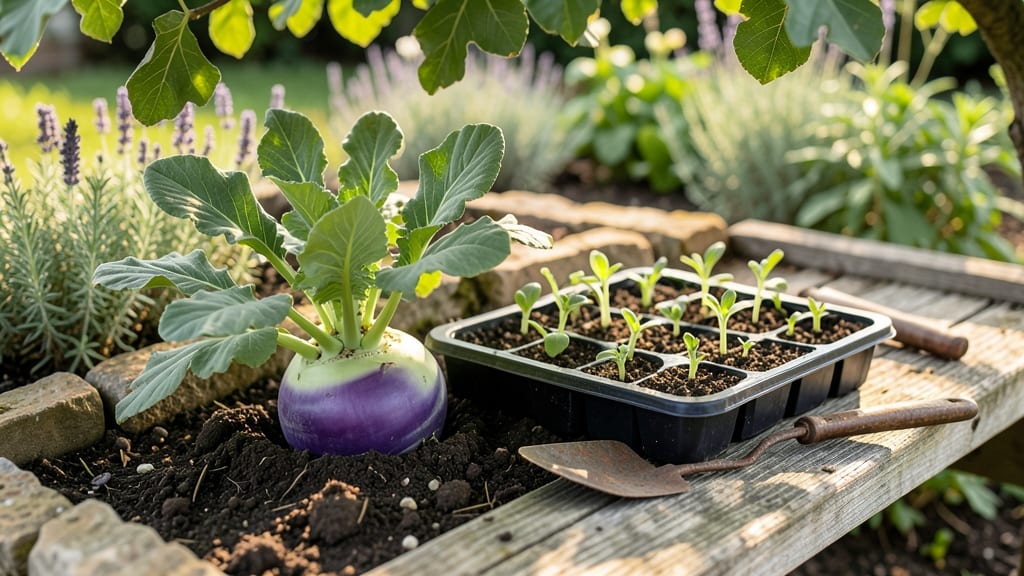
Planting kohlrabi seedlings is where the real fun begins—those hardened-off stems mean roots that take hold like they mean it. 🌱 I’ve learned the hard way that rushing this step leads to leggy plants that flop over by midsummer, but doing it right gives you sturdy, productive stems that support those bulbous, nutty-sweet harvests.
The key is cool, crumbly soil mixed with compost—think of it as giving your seedlings a spa day before they hit the big garden.
Space them 12-18 inches apart in rows 2 feet apart, and plant just deep enough so the soil line on the stem matches the garden bed. Water gently but thoroughly after planting, and keep the soil moist (not soggy) for the first week.
Within 3-4 weeks, you’ll see those leaves thicken and the bulbs start swelling—proof you’ve got a strong start. Kohlrabi thrives in full sun to partial shade, so pick a spot where it gets at least 4-6 hours of sunlight daily.
The secret weapon? Mulching with straw to keep moisture in and weeds out, which means less work for you.
Now, here’s the thing—kohlrabi doesn’t like to wait. Harvest when the bulbs are 2-3 inches wide, or they’ll get tough and woody. And if you’re in a hot climate, plant in early spring or fall to avoid bolting.
Let’s get those seedlings in the ground before they outgrow their containers!
📚 In This Guide
- What you need
- Instructions
- Tips and common mistakes
- Wrapping up and next steps
What you need
- ● Kohlrabi seedlings: 6–12 hardy, well-rooted seedlings (depending on garden size). Look for sturdy stems and vibrant leaves!
- ● Garden soil: Well-draining, fertile loam (amend with compost if your soil is heavy or sandy). Aim for a pH of 6.0–7.0.
- ● Transplanting tool: A small hand trowel or bulb planter for gentle soil disturbance.
- ● Watering can or hose: With a gentle spray nozzle (avoid blasting seedlings!).
- ● Organic mulch: Straw, shredded leaves, or grass clippings (1–2 inches thick) to retain moisture and suppress weeds.
- ● Slow-release fertilizer: Balanced 10-10-10 or organic options like worm castings (sprinkle lightly around seedlings).
- ● Row cover or shade cloth: If transplanting in hot weather, use 30% shade cloth for the first 3–5 days.
- ● Plant markers: Biodegradable labels or sticks to track varieties (kohlrabi comes in purple, white, and green!).
- ○ Epsom salt: 1 tablespoon dissolved in a gallon of water (optional foliar spray for magnesium boost).
- ● Gloves: For messy hands or prickly mulch!
Step-by-Step instructions for planting kohlrabi seedlings
Here’s how I plant kohlrabi seedlings for maximum vigor and minimal transplant shock.
🌱 Step 1: Prepare the Planting Site
Kohlrabi thrives in loose, fertile soil with good drainage. Work the 12 inches of topsoil into the planting area, breaking up any clumps with a garden fork. Kohlrabi prefers a slightly acidic to neutral soil pH of 6.0-7.0, so if your soil tests lower, sprinkle 1 pound of garden lime evenly over the area and mix it in.
Clear the site of weeds and debris, then rake the soil smooth. Kohlrabi roots are shallow, so avoid tilling deeply—you’ll compact the soil and restrict root growth. Water the prepared bed thoroughly 24 hours before planting to settle the soil and ensure even moisture.
🪴 Step 2: Dig Holes for Each Seedling
Dig holes 12-18 inches apart in rows spaced 24 inches apart—this gives kohlrabi enough room to develop its bulbous stems without crowding. The holes should be just deep enough to accommodate the seedling’s root ball without burying the stem. If your seedlings have been in small pots, gently squeeze the sides to loosen the roots before placing them in the hole.
I like to dip the roots in a 1 tablespoon of compost tea before planting to give them a microbial boost. This step isn’t mandatory, but I’ve noticed seedlings with compost tea establish faster. Place each seedling in its hole, then fill the gap with soil, pressing lightly around the base to remove air pockets.
☀️ Step 3: Water and Mulch for Retention
Water each newly planted seedling with 1 cup of water to settle the soil and eliminate air gaps. Avoid soaking the leaves, as wet foliage can lead to fungal issues. After watering, spread 2 inches of straw mulch around each plant, keeping it 2 inches away from the stem to prevent rot.
The mulch helps retain moisture and keeps soil temperatures stable—kohlrabi grows best in 55-75°F soil. If your climate is hot and dry, apply the mulch immediately after planting. In cooler regions, wait until the soil warms up to avoid slowing germination of any residual seeds.
⏰ Step 4: Monitor and Support Growth
Keep the soil consistently moist but never soggy—kohlrabi bulbs rot easily if overwatered. Water deeply every 2-3 days until the top 2 inches of soil feel dry. You’ll notice the stems begin to swell 3-4 weeks after transplanting, signaling it’s time to harvest before they become tough.
If your seedlings develop leggy stems or pale leaves, they need more light. Kohlrabi tolerates partial shade but grows best in full sun (6+ hours daily). If possible, move plants to a sunnier spot or provide afternoon shade in extremely hot climates to prevent bolting.
Tips & tricks for planting kohlrabi seedlings
These simple strategies will help your kohlrabi seedlings thrive from the very first day in the ground.
The 24-Hour Prep Advantage: That 24-hour advance watering in Step 1 isn't just about settling the soil—it's about creating the perfect moisture balance. I've found that pre-watering prevents transplant shock by ensuring roots don't dry out immediately. The key is to water thoroughly but not create puddles. Think of it like giving your seedlings a warm bath before their big move.
Root Ball Rescue: When loosening roots from pots in Step 2, don't be afraid to get rough—gently squeezing the sides helps break up compacted soil. I've learned the hard way that leaving roots tangled can stunt growth. For stubborn clumps, run a knife around the edges of the root ball first. This step makes all the difference in preventing leggy stems later.
Mulch Timing Trick: The soil temperature range of 55-75°F mentioned in Step 3 is crucial. In cooler climates, wait until soil reaches at least 60°F before applying that 2-inch straw mulch. I've seen seedlings struggle when mulched too early in cold weather—they can't absorb warmth through the insulating layer. A soil thermometer is worth the investment for perfect timing.
Light Monitoring: Those leggy stems in Step 4? They're your first warning sign. Kohlrabi needs full sun, but in extreme heat, afternoon shade helps prevent bolting. I've had success using shade cloth during peak sun hours (11am-3pm) in hot summers. The plants still get their required 6 hours of sunlight while avoiding stress from too much direct heat.
Pro Tips for Planting Kohlrabi Seedlings
- These simple strategies will help your kohlrabi seedlings thrive from the very first day in the ground.
- The 24-Hour Prep Advantage: That 24-hour advance watering in Step 1 isn't just about settling the soil—it's about cre...
- Root Ball Rescue: When loosening roots from pots in Step 2, don't be afraid to get rough—gently squeezing the sides h...
Frequently asked questions
Got questions about planting kohlrabi seedlings? You’re not alone! Here are some of the most common concerns—and their answers—to help you grow a thriving crop.
When is the best time to transplant kohlrabi seedlings?
Plant hardened-off seedlings after the last frost when soil temps reach 50–60°F (10–15°C). For cooler climates, aim for late spring to early summer. Kohlrabi thrives in mild weather—avoid transplanting when temps exceed 75°F (24°C), as it can bolt or develop woody stems.
How deep should I plant kohlrabi seedlings?
Dig a hole deep enough to bury the seedling up to its first true leaves (about 1–2 inches). The stem above soil should be 2–3 inches tall to prevent rot while encouraging strong root growth. Space seedlings 12–18 inches apart in rows 2–3 feet apart for optimal airflow.
What should I do if my kohlrabi seedlings wilt after transplanting?
Wilting is normal for a day or two post-transplant due to stress. Water deeply (1 inch per week) and shade seedlings from harsh sun for 2–3 days. If wilting persists beyond a week, check for overwatering (root rot) or underwatering (drought stress). Mulch lightly to retain moisture.
Can I grow kohlrabi in containers or small spaces?
Kohlrabi adapts well to containers—use pots at least 12 inches deep and wide. Choose compact varieties like ‘Purple Vienna’ or ‘White Vienna’ for smaller gardens. Ensure containers have drainage holes and place them in full sun to partial shade.
How do I protect kohlrabi seedlings from pests?
Common pests include cabbage worms, aphids, and flea beetles. Use row covers for young seedlings, handpick pests, or spray with neem oil. Interplant with radishes or nasturtiums to deter pests naturally. Avoid over-fertilizing with nitrogen, which attracts aphids.
Wrapping up and next steps
Planting kohlrabi seedlings is a rewarding way to grow a versatile, nutrient-packed vegetable with minimal fuss!
By hardening off your young plants and giving them the right care, you’ll set the stage for a thriving harvest. Remember: patience, consistent moisture, and proper spacing are your best friends—soon, you’ll be enjoying crisp, homegrown kohlrabi in salads, roasts, or snacks. 🌱
Now that you’re ready to plant, take the next step—mark your calendar for regular check-ins on soil moisture and pest control. Happy gardening, and may your kohlrabi grow strong and delicious!