
Lawn
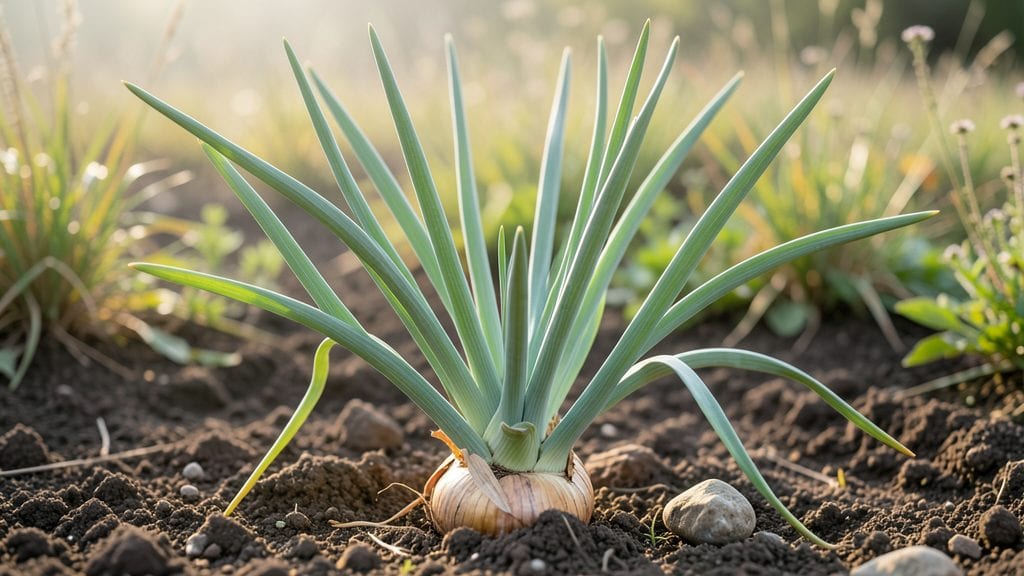
Onion grass plant transforms bare spots into lush, textured ground cover that stays green even when your lawn gives up. I’ve grown it in full sun and partial shade, and it never complains—no mowing, no weeding, just that satisfying rustle when you brush against it.
The key is treating it like the low-maintenance powerhouse it is: plant it in well-draining soil, water it lightly at first, and then forget about it until you want to shape it up in spring.
You only need three things to get started: a sunny spot (or at least four hours of light daily), a handful of seeds or plugs, and a little patience. The soil doesn’t have to be perfect—just not soggy.
Once established, onion grass handles drought like a champ, though it’ll reward you with deeper green growth if you water occasionally during dry spells. It’s the kind of plant that thrives on neglect, making it perfect for busy gardeners or anyone tired of fighting weeds.
By summer, you’ll have a dense, velvety carpet that looks like it cost a fortune but cost you nothing. It’s soft underfoot, great for borders, and even works in containers if you’re short on space. The best part?
No pruning unless you want to—just let it grow wild or trim it back once a year if it gets too leggy. It’s the ultimate “plant it and leave it” solution for instant curb appeal.
Works in USDA zones 5-9, so whether you’re in the South or the Midwest, this grass won’t flinch at summer heat or winter chills. The only real mistake?
Overwatering or planting it in heavy clay. Skip those, and you’ve got a green carpet that outlasts any trendy lawn alternative. Ready to try it?
📚 In This Guide
- What you need
- Instructions
- Tips and common mistakes
- Wrapping up and next steps
What you need
- ● Onion grass seeds or transplants: Seeds: 1–2 lbs (0.5–1 kg) per 100 sq ft (for dense coverage). Opt for Allium fistulosum varieties like 'Evergreen Hardy White' or 'Tokyo Long White'.
- ● Transplants: 2–3 plants per sq ft (pre-started clumps for faster results).
- ● Well-draining soil: Mix 1 part compost (e.g., aged manure or worm castings) with 2 parts topsoil. Onion grass thrives in sandy loam with a pH of 6.0–7.0.
- ○ Organic fertilizer (optional but recommended): Balanced 10-10-10 or low-nitrogen fertilizer (e.g., fish emulsion or compost tea) to avoid leggy growth.
- ● Apply 1 tbsp per sq ft at planting and again mid-season.
- ● Garden tools: Trowel or transplanting spade (for digging small holes).
- ● Rake (for leveling soil and removing debris).
- ● Garden hose with adjustable nozzle (for gentle watering).
- ○ Mulch (optional but helpful): Straw or shredded leaves (1–2 inches thick) to retain moisture and suppress weeds.
- ○ Edging tools (optional): Metal or plastic edging strips to define borders if planting in garden beds.
- ● Sunlight: Full sun to partial shade (4–6 hours of direct sun daily). Avoid deep shade.
- ● Water access: Drip irrigation or a soaker hose (onion grass is drought-tolerant once established but needs 1 inch of water weekly when young).
- ● Climate suitability: Hardy in USDA Zones 3–10. Thrives in cool to moderate climates (avoid extreme heat or humidity).
- ● 🔥 Test your soil: Use a DIY kit to check pH and adjust with lime (to raise pH) or sulfur (to lower it) if needed.
- ● ✨ Plant in early spring or fall: Avoid summer heatwaves, which can stress young plants.
- ● 🌡️ Hardiness hack: If in Zone 10+, provide afternoon shade in peak summer to prevent bolting.
Step-by-Step instructions for creating a lush onion grass green carpet
This hardy ground cover thrives with almost no effort once planted—here’s how to transform bare spots into vibrant, low-maintenance greenery.
Choose the Perfect Planting Location
Onion grass loves sun but handles partial shade beautifully. Pick a spot with at least 4 hours of sunlight daily—it’ll spread faster there, filling gaps quicker. Avoid low-lying areas where cold air settles, as onion grass prefers well-drained soil. I test drainage by digging a 6-inch hole, filling it with water, and waiting to see if it drains within 30 minutes. If water pools, amend the soil with 2 inches of coarse sand before planting.
This plant tolerates heat and drought once established, making it ideal for sunny patios or along walkways. If your area gets heavy foot traffic, plant it where it won’t get trampled—it recovers slowly from damage. For best results, choose a location where you won’t need to mow or disturb the soil after planting.
Prepare the Soil for Fast Establishment
Loosen the top 4 inches of soil in your chosen area with a garden fork or tiller. Onion grass doesn’t need rich soil, but it does thrive in loose, well-draining earth. If your soil is heavy clay, mix in 1 part compost to 3 parts native soil to improve aeration. Avoid fresh manure—it can burn the tender roots.
Rake the area smooth to create a level surface. Onion grass spreads via underground runners, so a flat planting bed helps it form an even, dense mat. Press down lightly with your hands to remove air pockets, but don’t compact the soil too tightly. The goal is to mimic the natural, loose conditions it grows in wild.
Plant Onion Grass in a Tight Grid Pattern
Purchase bare-root onion grass plants or small pots from a nursery. Space them 6 inches apart in rows 12 inches apart to ensure full coverage within 2-3 months. Dig small holes just deep enough to cover the roots—no deeper than 1 inch. Gently separate any tangled roots with your fingers to encourage outward growth.
Water each plant immediately after setting it in the hole to help settle the soil around the roots. If planting in hot weather, water lightly every 2-3 days for the first 2 weeks to keep the soil consistently moist but not soggy. Avoid overhead watering, which can spread disease. Instead, use a soaker hose or water at the base of each plant.
Mulch and Protect for the First Growing Season
Spread 2 inches of organic mulch, like shredded bark or straw, over the planting area to retain moisture and suppress weeds. Keep the mulch 2 inches away from the plant stems to prevent rot. Onion grass is drought-tolerant once established, but young plants need consistent moisture to spread quickly. Water once a week during dry spells, aiming for ½ inch of water per session.
In the first year, onion grass focuses on root and runner development rather than lush growth. You’ll see thin, grass-like blades emerge within 3-4 weeks, but don’t worry if coverage isn’t immediate—patience pays off. To encourage faster spread, trim back any flowering stalks that appear, as they divert energy away from ground coverage.
Maintain with Minimal Effort After Establishment
Once onion grass fills in completely—usually by the second year—maintenance becomes almost nonexistent. Water once every 2 weeks during dry spells, and you’re done. It tolerates light foot traffic but may flatten under heavy use, so avoid planting in high-traffic areas. If weeds pop up, pull them by hand when the soil is moist—onion grass’s dense growth naturally chokes out competitors over time.
In late winter or early spring, give the area a light raking to remove dead growth and stimulate fresh shoots. This plant is evergreen in mild climates and semi-evergreen in colder zones, so it stays green year-round with minimal fuss. If you notice brown patches, they’re likely from winter dieback—simply trim them away in spring, and new growth will fill in quickly.
Tips & tricks for perfect onion grass planting
Transforming your yard into a lush, green carpet with onion grass is easier than you think—once you know these game-changing tips!
Sunlight Secret: While onion grass thrives with at least 4 hours of sunlight daily, I’ve found that spots with 6+ hours produce noticeably faster coverage. If you’re planting near trees or buildings, test the location first by observing how much direct sunlight it receives throughout the day. This helps you set realistic expectations for growth speed in Step 1.
Soil Test Hack: The 30-minute drainage test in Step 1 is crucial—if water doesn’t drain properly, your onion grass will struggle. I’ve had success adding perlite instead of sand if you’re in a region with heavy clay soil. Just mix in 1 part perlite to 3 parts native soil for even better aeration. This simple swap prevents root rot while still improving drainage.
Planting Precision: When spacing plants 6 inches apart in Step 3, I like to use a simple string-and-stakes method for perfect alignment. Tie a string between two stakes at 12-inch intervals, then use a third string perpendicular to create a grid. This ensures consistent spacing that prevents gaps as the plants spread. The first 2 weeks of frequent watering (every 2-3 days) are critical—don’t skip this!
Mulch Matters: That 2-inch layer of organic mulch in Step 4 does more than retain moisture—it also regulates soil temperature. In hot climates, I’ve found that straw mulch works better than wood chips because it breaks down faster, giving new growth more space to emerge. Always keep mulch 2 inches away from stems to prevent rot, just as the instructions say.
Pro Tips for Onion Grass Plant
- Transforming your yard into a lush, green carpet with onion grass is easier than you think—once you know these game-changing tips!
- Sunlight Secret: While onion grass thrives with at least 4 hours of sunlight daily, I’ve found that spots with 6+ hours produce noticeably faster coverage.
- Soil Test Hack: The 30-minute drainage test in Step 1 is crucial—if water doesn’t drain properly, your onion grass will struggle.
Frequently asked questions
Is onion grass really low-maintenance?
Unlike traditional lawns, onion grass thrives in poor soil, needs zero mowing, and stays lush with minimal watering. It’s drought-tolerant once established, making it a dream for busy gardeners. Just plant it, water lightly, and forget about it—it’s nature’s green carpet!
How long does it take to grow a full lawn?
Onion grass spreads quickly! With consistent moisture, you’ll see noticeable coverage in 4–6 weeks. For a dense, weed-free lawn, aim for 8–12 weeks, especially in hot or dry climates. Patience pays off—once it fills in, it’s nearly indestructible.
How often should I water onion grass?
Water deeply 2–3 times per week during the first month to encourage root growth. After that, reduce to once a week (or less in rainy seasons). Overwatering can lead to fungal issues, so let the top inch of soil dry out between waterings. Pro tip: Morning watering prevents waste from evaporation!
Can I grow onion grass in shade?
While onion grass prefers full sun (6+ hours/day), it can survive in partial shade (4–6 hours of sun). In deep shade (<4 hours), growth may slow, and the grass could thin out. If shading is unavoidable, choose a shadier variety or supplement with a nitrogen-rich fertilizer occasionally.
What’s the best alternative if onion grass doesn’t work for me?
If your climate or soil isn’t ideal, consider clover (great for pollinators and drought-resistant), creeping thyme (fragrant and hardy), or sedum (succulent-like and ultra-low-maintenance). Each offers a unique look while keeping upkeep minimal.
Wrapping up and next steps
Growing onion grass is your ticket to a lush, low-maintenance lawn that stays vibrant year-round—without the fuss! 🌿 Whether you're a busy homeowner or a green-thumb enthusiast, this hardy plant delivers serious curb appeal with minimal effort.
With the right setup and a little patience, you’ll enjoy a soft, weed-resistant carpet that thrives in even the toughest conditions.
Ready to transform your outdoor space? Start small—plant a patch in a sunny spot, monitor its progress, and expand as you gain confidence. Your dream lawn is just a few seeds away! 🌱✨