
Companion Plants
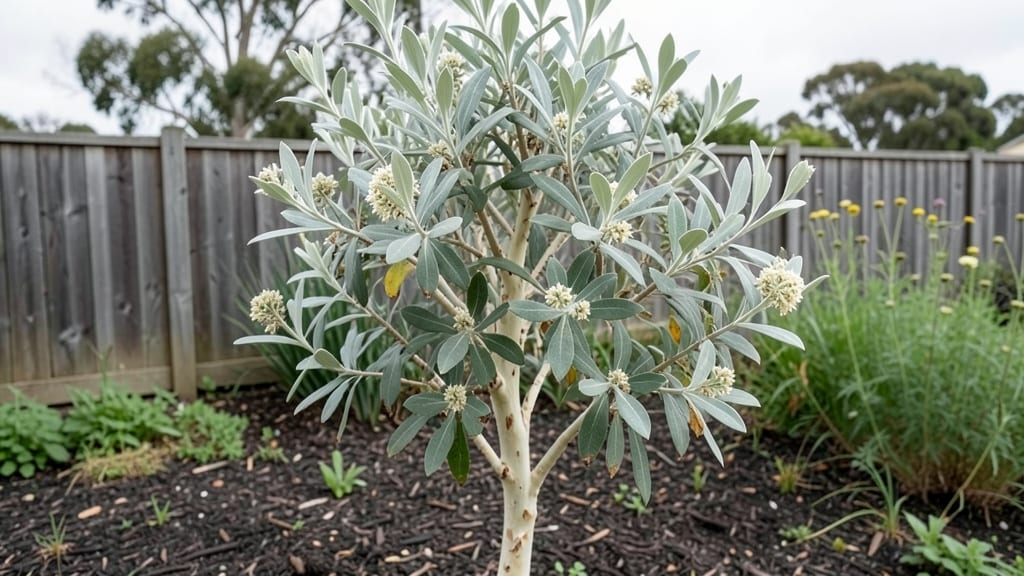
Outdoor eucalyptus plants bring that signature fresh, medicinal aroma to your yard while creating a lush, evergreen privacy screen that never goes out of season. 🌿 I planted mine last spring, and within months, the silvery-green foliage blocked nosy neighbors' views while filling the air with a scent that reminds me of childhood summers.
The key to success? Matching the right variety to your climate and giving it space to stretch its dramatic, arching branches.
Eucalyptus thrives in USDA zones 8-11, where it can handle heat and drought once established, but even cooler climates can grow dwarf varieties in containers.
Your soil just needs good drainage—these plants hate soggy roots—and a sunny spot where they can soak up at least 6 hours of direct sunlight daily. The real secret weapon?
Mulching heavily around the base to keep roots cool and conserve moisture, especially in the first growing season when roots are still shallow.
You'll love how these plants transform your space: the velvety leaves rustle in the breeze, the fragrant foliage deters pests naturally, and the towering growth (some varieties reach 50 feet!) creates instant privacy.
Prune lightly in late winter to shape the screen, and watch how birds and butterflies flock to the nectar-rich flowers that appear in spring. The best part? With proper care, your eucalyptus will keep growing—and smelling amazing—for decades.
For cooler climates, opt for dwarf varieties like 'Gunnii' or 'Risdonii' that stay under 10 feet tall. Container growing extends possibilities to patios and balconies, though you'll need to winter-protect pots in freezing zones.
The trade-off? A fragrant, low-maintenance living screen that outperforms any fence or lattice—plus, you'll have fresh eucalyptus branches for homemade potpourri whenever you want.
📚 In This Guide
- What you need
- Instructions
- Tips and common mistakes
- Wrapping up and next steps
What you need
- ● Eucalyptus plants: Choose between Eucalyptus globulus (tall, fast-growing) or Eucalyptus cinerea (compact, bushy). Start with 2–5 plants for a small privacy screen or 10+ for a dense hedge.
- ● Well-draining soil: Mix 1 part potting soil with 1 part perlite or coarse sand (eucalyptus hates soggy roots!). For in-ground planting, amend clay soil with 3–4 inches of compost and 1 part gravel.
- ● Sunlight access: Full sun (6+ hours daily) is a must—eucalyptus thrives in USDA Zones 8–10 (hardy to 15°F with protection).
- ● Watering can or hose: Eucalyptus needs 1–2 inches of water weekly (more in extreme heat). Drip irrigation is ideal for consistency.
- ● Fertilizer: Use a balanced, slow-release fertilizer (10-10-10) or organic options like fish emulsion (apply 2–3 times per year in spring, summer, and fall).
- ● Pruning shears: Sharp, bypass-pruning shears (for clean cuts) to shape your plants and remove dead branches.
- ● Mulch: 2–3 inches of wood chips or pine straw to retain moisture and suppress weeds (keep mulch 6 inches away from the trunk).
- ● Eucalyptus seeds: If propagating from seed, soak seeds in warm water for 24 hours before planting (germination takes 2–4 weeks).
- ● Windbreak: A temporary fence or lattice if your yard is exposed to strong winds (young plants are delicate!).
- ● Pest control: Neem oil spray (for aphids or spider mites) or beneficial nematodes (for soil pests).
- ● Decorative stakes: Bamboo or metal stakes to support tall varieties like Eucalyptus gunnii.
- ● Fragrance boost: A lightweight wind chime near your plants to enhance their natural scent on breezy days!
Instructions for planting and maintaining outdoor eucalyptus
Here's how to establish a fragrant, low-maintenance privacy screen that thrives year-round.
🪴 Step 1: Select and Prepare the Planting Site
Eucalyptus thrives in full sun—choose a location with at least 6 hours of direct sunlight daily. These plants tolerate poor soil but grow best in well-draining, slightly acidic soil with a pH between 6.0 and 7.0. If your soil is heavy clay, amend it with 3 inches of compost mixed into the top 12 inches of soil.
Dig a hole twice as wide as the root ball but only as deep as the container the plant came in. This prevents burying the trunk too deeply, which can cause rot. Gently loosen the roots if they appear compacted before placing the plant in the hole. Backfill with native soil, tamping lightly to remove air pockets.
🌱 Step 2: Plant and Water for Establishment
Place the eucalyptus plant in the center of the hole, ensuring the top of the root ball sits 1 inch above ground level. This slight elevation prevents water from pooling around the trunk. Fill the hole with soil, pressing down firmly in 2-inch lifts to eliminate air gaps. Water deeply immediately after planting to help settle the soil around the roots.
Use 1 gallon of water per plant for the first watering, then 2 gallons weekly during the first growing season. Eucalyptus is drought-tolerant once established, but young plants need consistent moisture. Water at the base rather than overhead to keep foliage dry, reducing fungal risks. Mulch with 2-3 inches of wood chips around the base, keeping it 6 inches away from the trunk to prevent rot.
☀️ Step 3: Prune and Train for Shape and Privacy
Prune eucalyptus in late winter or early spring before new growth begins. Remove any dead, diseased, or crossing branches first. To encourage a dense, bushy privacy screen, trim back one-third of the tallest stems each year. This promotes branching lower on the plant, creating a fuller appearance faster.
Use clean, sharp pruners to make cuts just above a leaf node or bud. Avoid leaving stubs, as they can invite disease. For a uniform screen, shape the plants by trimming the outer edges evenly. Wear gloves—eucalyptus leaves can be slightly irritating to sensitive skin. Fertilize lightly in spring with a balanced 10-10-10 fertilizer if growth appears slow, but avoid over-fertilizing, which can lead to weak, leggy growth.
✂️ Step 4: Maintain for Long-Term Health and Fragrance
Eucalyptus requires minimal care once established. Water deeply once every 2-3 weeks during dry spells, allowing the top 4-6 inches of soil to dry out between waterings. Overwatering is the most common issue—these plants prefer dry conditions and can suffer from root rot in soggy soil.
Monitor for pests like aphids or scale, which can weaken young plants. Spray infested areas with neem oil or a soapy water solution if you notice sticky residue on leaves. Eucalyptus is generally pest-resistant but may attract deer—consider a light deer repellent spray if local wildlife is an issue. Enjoy the citrusy fragrance and the lush, glossy foliage that makes these plants a standout privacy solution.
Tips & tricks for perfect outdoor eucalyptus privacy screens
Here's what nobody tells you about growing these fragrant giants—details that make all the difference between a struggling plant and a lush, year-round privacy screen.
Soil Science: The 6 hours of sunlight requirement is non-negotiable, but don't overlook soil preparation in Step 1. If your soil tests outside the 6.0-7.0 pH range, eucalyptus can still grow but may develop yellowing leaves. I've seen dramatic improvements by adding sulfur-based amendments to lower pH in alkaline soils, or lime to raise pH in acidic conditions. Test your soil before planting—it's the single most overlooked factor that determines long-term success.
Planting Precision: That 1-inch elevation above ground level in Step 2 isn't just about drainage—it's about preventing trunk rot. I learned this the hard way when my first planting struggled with fungal issues. Use a small stake to mark the proper depth before planting, and always check the root ball sits exactly 1 inch above finished grade. For container-grown plants, remove the pot and inspect the root flare (where roots meet trunk) before positioning.
Watering Wisdom: The 2-gallon weekly watering guideline during establishment sounds simple, but timing matters. Water deeply in the morning so foliage has all day to dry—this prevents fungal diseases that thrive in damp leaves. I've found that using a soaker hose at the base delivers water exactly where it's needed without wetting the leaves. And remember: once established, these plants prefer dry conditions. The 2-3 week watering schedule in Step 4 should be your new normal.
Pruning Strategy: That one-third annual pruning in Step 3 isn't arbitrary—it follows the plant's natural growth patterns. Trim just above leaf nodes to encourage new growth from those buds. I've seen homeowners over-prune in spring, only to create leggy, sparse plants. For a uniform screen, alternate which third you trim each year to maintain balance. And always prune in late winter when the plant is dormant—you'll notice significantly less stress response.
Pro Tips for Outdoor Eucalyptus Plants
- Here's what nobody tells you about growing these fragrant giants—details that make all the difference between a struggling plant and a lush, year-round privacy screen.
- Soil Science: The 6 hours of sunlight requirement is non-negotiable, but don't overlook soil preparation in Step 1.
- Planting Precision: That 1-inch elevation above ground level in Step 2 isn't just about drainage—it's about preventing trunk rot.
Frequently asked questions
Got questions about growing outdoor eucalyptus plants?
Here are answers to the most common ones—from planting to maintenance—so you can enjoy their fragrant beauty with confidence.
Can eucalyptus trees survive winter in colder climates?
Most eucalyptus species are not frost-tolerant, but Eucalyptus cinerea ('Argyle Apple') and Eucalyptus gunnii can handle light freezes (down to 15–20°F). For colder zones, plant in containers and move indoors or use a thick mulch layer. If temperatures drop below 10°F, expect leaf damage or dieback.
How long does it take for eucalyptus to grow into a privacy screen?
Fast-growing varieties like Eucalyptus globulus can reach 10–15 feet in 3–5 years under ideal conditions (full sun, well-drained soil, and regular watering). Dwarf species (e.g., Eucalyptus vernicosa) grow slower (1–3 feet per year). Prune annually to encourage bushier growth and fill gaps faster.
Are there non-invasive alternatives to traditional eucalyptus?
If you’re concerned about invasiveness, consider these low-spreading options:
- Dwarf Eucalyptus ('Snow Gum'): Stays under 10 feet tall, slow-growing.
- Lemon Myrtle (Backhousia citriodora): Fragrant, compact, and non-invasive.
- Olive Trees (Olea europaea): Drought-tolerant and slow-spreading.
- Texas Sage (Leucophyllum frutescens): Drought-resistant and pollinator-friendly.
Do eucalyptus plants attract bees or other pests?
Eucalyptus flowers are a magnet for bees, butterflies, and hummingbirds—great for pollinators! However, they’re not typically prone to major pests like aphids or mites. Watch for psyllids (small jumping insects) or scale insects, which can appear if plants are stressed. Treat with neem oil or insecticidal soap if needed.
How often should I water newly planted eucalyptus?
Water deeply 2–3 times per week for the first year to encourage root growth, then taper to once a week (or less in rainy climates). Once established, eucalyptus is drought-tolerant but benefits from occasional deep watering. Pro tip: Avoid soggy soil—they hate "wet feet" and can develop root rot.
Wrapping up and next steps
Transforming your outdoor space with fragrant eucalyptus plants is a rewarding way to add beauty, privacy, and year-round charm! These versatile trees thrive with minimal fuss, offering lush greenery, soothing scents, and even wildlife benefits.
Whether you’re a seasoned gardener or a beginner, now’s the perfect time to plant—just gather your tools, choose the right variety, and watch your space flourish.
Ready to get started? Pick a sunny spot, grab some gloves, and dig in! 🌿✨