Trees
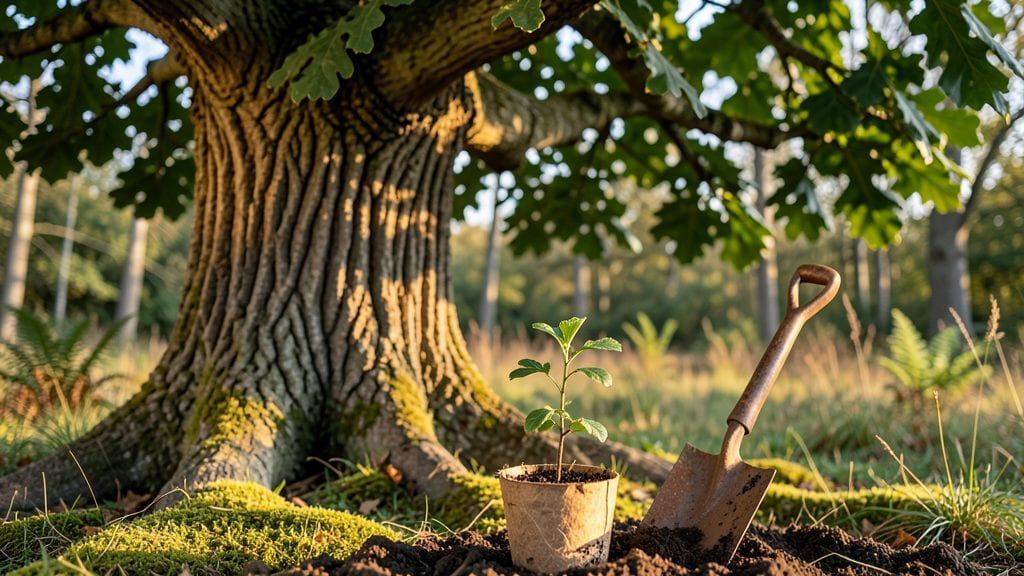
Planting trees outdoors transforms your yard into a living legacy that grows more beautiful each year. 🌳 I’ve planted over a dozen trees in my own yard, and the key to their success isn’t complicated—it’s about choosing the right species, digging the hole correctly, and giving them consistent care without overdoing it.
The right tree for your space depends on your climate, sunlight, and soil type. Fast-growing shade trees like silver maples or slow-and-steady oaks each have their place. You’ll need basic tools—a shovel, gloves, and mulch—but the real secret is proper planting depth and spacing.
Too shallow, and roots dry out; too cramped, and branches compete for space.
Within a year, you’ll see new growth that outpaces anything you could buy in a pot. The roots spread deeper, the bark thickens, and the shade becomes cooler.
Even in drought years, a well-planted tree thrives with just seasonal watering and an occasional prune. That’s the beauty of outdoor trees—they keep getting better with time.
Works for city yards, rural acres, or even large containers. Here’s how to get started without the guesswork.
📚 In This Guide
- What you need
- Instructions
- Tips and common mistakes
- Wrapping up and next steps
What you need
- ● Tree(s) of choice: 1–5+ (depending on space and design). Opt for low-maintenance varieties like: Oak (e.g., White Oak, Red Oak)
- ● Maple (e.g., Sugar Maple, Japanese Maple)
- ● Pine (e.g., Eastern White Pine, Scotch Pine)
- ● Dogwood (e.g., Flowering Dogwood)
- ● Soil amendments: 2–5 lbs of compost or organic matter (per tree) to improve drainage and fertility.
- ● Mulch: 2–3 inches of wood chips, pine straw, or shredded bark (spread in a 3-foot radius around the base).
- ● Watering supplies: Garden hose (½-inch diameter, 25+ feet long)
- ○ Watering can (5-gallon capacity, optional for young trees)
- ● Digging tools: Shovel (round-point or spade, 18–24 inches wide)
- ● Trenching shovel (for larger planting holes)
- ● Measuring tools: Tape measure (10–25 feet)
- ● Garden stakes + twine (for marking planting spots)
- ● Safety gear: Work gloves (heavy-duty, water-resistant)
- ○ Knee pads (optional but highly recommended)
- ● Tree supports: 1–2 tree stakes or spiral guards (for young, top-heavy trees).
- ● Soil test kit: To check pH and nutrient levels (ideal range: 6.0–7.5).
- ● Slow-release fertilizer: 1–2 lbs of balanced 10-10-10 or organic fertilizer (apply sparingly).
- ● Drip irrigation system: For automated watering (great for large plantings).
- ● Pruning tools: Hand pruners (bypass pruners for clean cuts)
- ● Loppers (for thicker branches)
How to plant trees for low-maintenance year-round appeal
Here’s how to plant trees that thrive with minimal fuss while adding beauty to your landscape.
🪴 Step 1: Choose the Right Tree and Location
Select a tree suited to your climate and space. Deciduous trees like oak or maple provide seasonal color, while evergreens like pine or spruce offer year-round structure. Check the tree’s mature height and spread—plant at least 10 feet from structures to avoid root conflicts later.
Observe your yard’s sunlight patterns. Most trees need 6+ hours of sun daily, but shade-tolerant varieties like dogwood or serviceberry thrive in dappled light. Avoid low spots where water pools—trees hate soggy roots. Dig a test hole to check drainage: if water stands after 30 minutes, amend the soil or choose a different spot.
🌱 Step 2: Dig the Planting Hole and Prepare the Soil
Dig a hole twice as wide as the tree’s root ball but no deeper. Loosen the sides of the hole with a shovel to encourage root spread. If your soil is heavy clay or compacted, mix in 2-3 inches of compost into the native soil at the bottom of the hole—this improves drainage and nutrient availability.
Gently remove the tree from its container or burlap wrap, loosening any circling roots with your fingers. A root-bound tree struggles to establish. Place the tree in the hole so the top of the root ball sits 1-2 inches above ground level. This prevents water from pooling around the trunk, which causes rot.
💧 Step 3: Plant and Water Thoroughly
Backfill the hole with the native soil (or amended soil if needed), tamping lightly every 6 inches to remove air pockets. Avoid compacting the soil too firmly—you want roots to spread easily. Create a 2-inch-high berm of soil around the outer edge of the hole to direct water toward the roots during watering.
Water the tree deeply right after planting—10-15 gallons for the first soak. The soil should settle, and the berm will help funnel moisture downward. Mulch the base with 2-3 inches of organic mulch, keeping it 6 inches away from the trunk to prevent rot. Mulch retains moisture and regulates soil temperature, reducing watering needs by up to 30%.
☀️ Step 4: Stake Only If Necessary and Prune for Health
Stake the tree only if it’s top-heavy or in a windy location. Use two stakes positioned diagonally from the tree, tied loosely with flexible straps—not wire, which can girdle the trunk. Remove stakes after 1 year to avoid weakening the tree’s natural support system.
Prune any broken, crossing, or diseased branches immediately, but avoid heavy pruning. Focus on shaping the tree’s natural form. Use clean, sharp pruners to make cuts just outside the branch collar—the swollen area where the branch meets the trunk. Seal larger cuts with pruning sealer to prevent disease entry.
⏰ Step 5: Establish a Watering Schedule and Monitor Growth
Water newly planted trees once a week for the first month, then every 10-14 days unless rainfall provides 1 inch of moisture. Deep watering encourages deep roots. After 2 years, most trees establish enough to handle seasonal droughts. Check soil moisture by probing 2 inches deep with your finger—water when it’s dry.
Fertilize only if the tree shows signs of stress, like yellowing leaves or stunted growth. Use a balanced, slow-release fertilizer in early spring. Over-fertilizing burns roots and attracts pests. Watch for pests like aphids or borers—treat early with insecticidal soap or neem oil to avoid long-term damage.
Tips & tricks for planting low-maintenance trees
These simple strategies will help your trees thrive with less work and more beauty.
Soil Test First: Before digging that hole twice as wide as your tree's root ball, grab a soil test kit from your local extension office. Knowing your soil's pH and nutrient levels lets you customize amendments—like that 2-3 inches of compost—exactly to what your trees need. I once planted a dogwood in heavy clay without testing; it struggled for years before I finally adjusted the soil. A $20 test saves months of frustration.
Root Ball Position Matters: When placing your tree in Step 2, resist the urge to bury the root ball too deeply. That 1-2 inches above ground level isn't just a suggestion—it's crucial. Too-deep planting suffocates roots and creates rot-prone conditions. Use a level to check the top of the root ball sits perfectly straight, not tilted. This small detail makes all the difference in long-term health.
Watering Hack: After your initial 10-15 gallon soak, set up a slow drip irrigation system or soaker hose around the tree's perimeter. This delivers water directly to the root zone without wetting the trunk, which prevents disease. I've seen trees planted with this method thrive through droughts while others without proper irrigation struggle. It's worth the small investment for peace of mind.
Mulch Like a Pro: That 2-3 inches of organic mulch isn't just decoration—it's your tree's winter blanket. Spread it in a donut shape, keeping it 6 inches from the trunk as instructed, but extend it out to the tree's drip line (the edge of its canopy). This creates a moisture-retaining zone that reduces watering needs by up to 30%. Just refresh it annually—mulch breaks down over time and loses effectiveness.
Pro Tips for Outdoor Planted Trees
- These simple strategies will help your trees thrive with less work and more beauty.
- Soil Test First: Before digging that hole twice as wide as your tree's root ball, grab a soil test kit from your local extension office.
- Root Ball Position Matters: When placing your tree in Step 2, resist the urge to bury the root ball too deeply.
Frequently asked questions
Got questions about keeping your outdoor planted trees thriving with minimal fuss? Here are some of the most common concerns—and straightforward answers—to help you enjoy year-round greenery without the stress.
What’s the best time of year to plant trees outdoors for long-term success?
The ideal window is early spring or fall (4–6 weeks before the first frost). Soil is warm enough for roots to establish, but cool enough to reduce stress. Avoid planting in extreme heat or cold—young trees need time to adapt!
Can I plant trees in containers or raised beds instead of directly in the ground?
Containers and raised beds work well for small trees, shrubs, or even dwarf varieties. Just ensure the pot has drainage holes and use lightweight, well-draining soil. Move containers to a sheltered spot in winter if your climate gets harsh.
How often should I water newly planted trees, and how do I know if they’re getting enough?
Water deeply 2–3 times per week for the first year (adjust for rain). A good rule: Stick your finger 2 inches into the soil—if it’s dry, water again. Wilting leaves or yellowing foliage can signal over- or under-watering. Mulch helps retain moisture!
What are the most common pests or diseases for outdoor planted trees, and how do I prevent them?
Watch for aphids, borers, or fungal spots (like powdery mildew). Prevent issues with regular inspections, pruning dead branches, and choosing resistant tree varieties for your climate. Neem oil or insecticidal soap can treat mild infestations.
Do I need to prune my outdoor trees, and if so, when’s the best time?
Prune dormant trees in late winter/early spring (before buds swell) to shape growth and remove dead wood. Avoid heavy pruning in fall—it can stress trees before winter. For flowering trees, prune after they bloom. Always use clean, sharp tools!
Wrapping up and next steps
Transforming your outdoor space with low-maintenance planted trees is a rewarding way to enjoy year-round beauty without the hassle! 🌳 Whether you’re drawn to hardy evergreens, vibrant flowering species, or fast-growing shade trees, the right choice can elevate your landscape effortlessly.
With minimal care and the perfect location, these trees thrive—adding value, curb appeal, and a touch of nature’s elegance to your home.
Ready to get started? Take the first step by assessing your space, soil, and sunlight needs, then pick a tree that fits your vision. Planting a tree isn’t just about aesthetics—it’s an investment in a greener, healthier future. What’s your favorite outdoor tree? Share your picks in the comments! 🌿