
Companion Plants
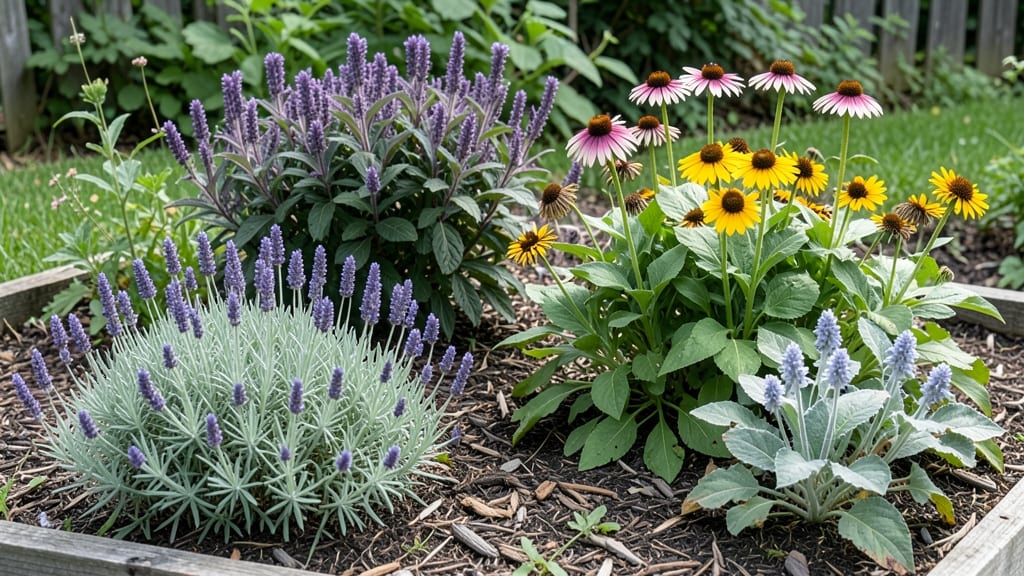
Creating an outdoor plants garden that hums with life and keeps pests at bay starts with the right pollinator pairings. 🌿 I learned the hard way that a few strategic plant combinations can transform a struggling garden into a thriving ecosystem where bees, butterflies, and beneficial insects outnumber the pests.
The secret lies in matching plants that support each other—like basil and tomatoes, or marigolds and peppers—while also attracting the good bugs that patrol your crops.
This approach works for any space, from a tiny balcony to a sprawling backyard. You don’t need fancy tools or rare plants—just a mix of native perennials, annual bloomers, and edible favorites that thrive in your climate.
Think lavender for bees, nasturtiums for aphids, and dill for wasps—each plant plays a role in the garden’s natural defense system. The best part? You’ll spend less time spraying and more time enjoying the buzz of activity in your yard.
By summer’s end, you’ll have a garden that’s not just beautiful but self-sustaining. The air will smell like honey and crushed herbs, your produce will be cleaner and more abundant, and you’ll watch as your once-plagued plants flourish under the watchful eyes of their tiny allies.
The key is starting small—even a single 6-inch pot of marigolds near your tomatoes can make a difference.
Whether you’re designing a pollinator meadow, a vegetable border, or a container garden, these pairings adapt effortlessly. The principles stay the same: layer heights, mix textures, and keep it lively with flowers that bloom at different times.
Let’s turn your outdoor space into a haven for both beauty and bounty.
📚 In This Guide
- What you need
- Instructions
- Tips and common mistakes
- Wrapping up and next steps
What you need
- ● Companion plants (pairs): Marigolds (10–15 plants) – deters nematodes & attracts beneficial insects
- ● Basil (5–8 plants) – repels mosquitoes & thrips
- ● Nasturtiums (12–15 plants) – traps aphids & attracts pollinators
- ● Dill (3–5 plants) – lures pest-eating wasps
- ● Lavender (3–5 plants) – deters moths & fleas
- ● Soil & amendments: Compost (1–2 bags, 4–6 cu. ft. each) – boosts nutrient density
- ● Organic mulch (straw or wood chips, 2–3 bags) – retains moisture & suppresses weeds
- ● Tools: Garden trowel (1) – for planting & transplanting
- ● Pruning shears (1 pair) – for trimming & shaping plants
- ● Watering can (5-gallon) or hose with nozzle – for gentle hydration
- ● Gloves (1 pair) – protects hands from thorns & soil
- ● Location & setup: Sunlit garden bed (6’x6’ minimum) – 6+ hours of sunlight daily
- ○ Drip irrigation kit (optional but recommended) – automates watering
- ● Pollinator hotel (1) – provides habitat for bees & butterflies 🐝
- ● Neem oil spray (1 bottle) – natural pest deterrent for stubborn bugs
- ● Garden journal (1) – track plant growth & pest activity
- ● Decorative rocks or pebbles (1 bag) – adds aesthetic appeal & retains moisture
How to design a pollinator-friendly garden for natural pest control
Here's the proven approach I use to create a garden that thrives while keeping pests at bay.
🌱 Step 1: Plan Your Plant Layout for Season-Long Blooms
Start by sketching your garden space with zones for sun exposure. Place full-sun plants (like coneflowers and bee balm) in the south-facing area, while partial-shade plants (such as asters and goldenrod) go on the north side. I arrange plants in clusters of three to five similar species to create visual appeal and attract pollinators efficiently.
Include plants that bloom at different times—early spring with crocus and bleeding heart, summer with lavender and black-eyed Susans, and fall with sedum and goldenrod. This ensures continuous nectar for bees and butterflies, keeping them around to deter pests all season. Space plants 12-18 inches apart to allow airflow and easy movement for pollinators.
🌿 Step 2: Select Pollinator Plants That Repel Pests
Choose native plants first—they’re already adapted to your local ecosystem and provide the best food source for pollinators. Marigolds, for example, repel nematodes and aphids while attracting hoverflies that eat aphids. I pair marigolds with basil and tomatoes to create a pest-free triangle in my vegetable beds.
Include herbs like dill, fennel, and cilantro—their flat, umbrella-like blooms attract beneficial wasps that prey on garden pests. Add milkweed for monarch butterflies, which deter cabbage worms, and yarrow for its pest-repelling properties. Aim for a mix of annuals, perennials, and shrubs to ensure year-round activity.
☀️ Step 3: Provide Water and Shelter for Pollinators
Place a shallow dish of water with pebbles or a small fountain in the garden to give pollinators a safe place to drink. I add a few pebbles to the bottom so insects can rest without drowning. Position it near—but not directly under—shade to prevent evaporation and keep the water cool.
Add dense shrubs or tall grasses like switchgrass or little bluestem to create shelter from wind and predators. These plants also offer nesting sites for bees and butterflies. Avoid using pesticides in this area—even natural ones can harm pollinators. Instead, handpick pests or use soapy water sprays as a last resort.
💧 Step 4: Maintain Soil and Mulch for Healthy Growth
Amend your soil with 2-3 inches of compost before planting to improve drainage and nutrient availability. I mix in a handful of worm castings for extra microbial activity, which boosts plant resilience. Mulch with 2-3 inches of organic mulch (like shredded leaves or straw) to retain moisture and suppress weeds.
Water deeply once a week during dry spells, aiming for 1 inch of water per week. Early morning watering prevents fungal diseases, and drip irrigation keeps foliage dry. Avoid overwatering—soggy soil invites pests like slugs and snails, which pollinators won’t deter.
✂️ Step 5: Monitor and Adjust for Continuous Pollinator Support
Check your garden weekly for signs of pests or pollinator activity. If you notice fewer bees or butterflies, add more blooming plants or extend the season with late-blooming varieties like asters or sedum. I keep a small notebook to track which plants attract the most pollinators and adjust future plantings accordingly.
Prune spent blooms regularly to encourage new growth and prolong the flowering season. Deadhead annuals like zinnias and cosmos to keep them producing flowers. This ensures pollinators always have fresh nectar and keeps your garden vibrant and pest-resistant throughout the growing season.
Tips & tricks for thriving pollinator pairings
Creating an effective pollinator garden isn't just about planting flowers—it's about strategic pairings that create an ecosystem where beneficial insects thrive while naturally controlling pests.
Seasonal Layering Strategy: The key to year-round pollinator activity lies in this layered approach: plant early bloomers like crocus and bleeding heart in spring, summer favorites such as lavender and black-eyed Susans, and fall varieties like sedum and goldenrod. I've found that adding a few late-season bloomers like asters can extend the pollinator season into November in my climate zone. This continuous bloom cycle ensures bees and butterflies have consistent food sources, which in turn keeps them actively patrolling your garden for pests.
Plant Spacing for Pollinator Traffic: That 12-18 inch spacing between plants isn't just about aesthetics—it creates ideal flight paths for pollinators. I've noticed that when plants are too close, bees struggle to navigate efficiently, which reduces their effectiveness as pest controllers. For larger shrubs like butterfly bush, I increase spacing to 24-36 inches to accommodate their size while maintaining easy access for pollinators. This spacing also improves air circulation, which helps prevent fungal diseases that can attract other pests.
Native Plant Priority: While non-native plants can be beautiful, native species are the pollinator powerhouses. I've seen monarch butterflies completely ignore non-native milkweed varieties while flocking to native milkweed plants. For your region, research which native plants thrive best—local nurseries often have excellent recommendations. Even if you can't plant natives everywhere, try to include at least 50% native species in your pollinator garden for maximum effectiveness.
Water Source Design: That shallow dish with pebbles isn't just any water feature—it's a critical pollinator lifesaver. I've added a small solar-powered fountain in my garden that creates gentle movement, which attracts even more pollinators than still water. Position it where it's visible but not directly under trees to prevent leaf debris from clogging it. The pebbles serve a dual purpose: they provide resting spots for insects and prevent them from drowning. For larger gardens, consider adding multiple small water sources rather than one large one to maximize coverage.
Pro Tips for Outdoor Plants Garden
- Creating an effective pollinator garden isn't just about planting flowers—it's about strategic pairings that create an ecosystem where beneficial insects thrive while naturally controlling pests.
- I've found that adding a few late-season bloomers like asters can extend the pollinator season into November in my climate zone.
- Plant Spacing for Pollinator Traffic: That 12-18 inch spacing between plants isn't just about aesthetics—it creates ideal flight paths for pollinators.
Frequently asked questions
Got questions about creating a thriving outdoor garden with pollinator-friendly plants? Here are some common ones—and their answers—to help you get started!
Which pollinator plants attract the most bees and butterflies?
Bees love lavender, sunflowers, and borage, while butterflies adore milkweed, coneflowers, and butterfly bush. Plant these near veggies like tomatoes and peppers to boost pollination and deter pests naturally. Aim for a mix of early, mid, and late-season bloomers to keep pollinators visiting all year!
How do I time my plantings to maximize pollinator visits?
Start with spring-blooming plants (like crocus or violets) to kickstart pollinator activity. Follow with summer favorites (e.g., marigolds, zinnias) and fall options (e.g., asters, goldenrod). Overlap plantings so nectar sources are always available—this keeps bees and butterflies around to protect your garden from pests!
Can I use pollinator plants to replace pesticides?
While pollinator plants reduce pests by attracting beneficial insects, they won’t replace pesticides entirely. Pair them with organic sprays (like neem oil) for stubborn issues. Focus on diverse plantings—ladybugs, lacewings, and parasitic wasps thrive in gardens with flowers, herbs, and veggies!
What are the best low-maintenance pollinator plants for beginners?
Try native wildflowers (e.g., black-eyed Susans) or perennials like bee balm and Russian sage. They’re drought-tolerant, self-seeding, and require minimal upkeep. For veggie gardens, dill, fennel, and cilantro double as pollinator magnets and pest deterrents—win-win!
Why aren’t pollinators visiting my garden?
Check for pesticide use (even organic sprays can repel them) or lack of water. Ensure plants are clustered in groups (not scattered) and include shallow water sources (like a saucer with pebbles). If flowers are sparse, add fast-growing annuals like cosmos or alyssum for instant appeal!
Wrapping up and next steps
Transforming your outdoor garden into a pollinator paradise isn’t just rewarding—it’s a game-changer for pest control and bountiful harvests! 🌸 By pairing the right plants, you create a thriving ecosystem that keeps pests at bay while supporting bees, butterflies, and beneficial insects.
Start small, experiment with combinations, and watch your garden flourish.
Ready to take the next step? Pick one pollinator-friendly plant this week—whether it’s marigolds, basil, or sunflowers—and plant it alongside your veggies. Before you know it, your garden will be buzzing with life and productivity! 🌱