Fertilization
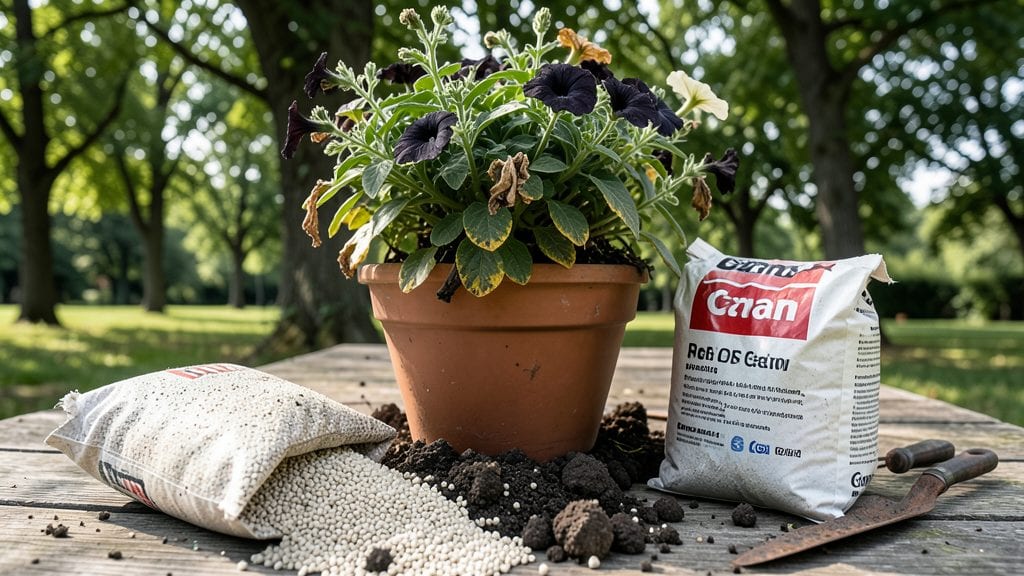
Over-fertilized plants turn your garden into a chemistry experiment gone wrong—crispy leaf edges and sad, stunted growth are the last thing you want after pouring on the good stuff. 🌱 I’ve saved more than a few browned plants by acting fast, and the fix is simpler than you’d think.
The key is stopping the damage immediately and giving roots a chance to recover.
First, you’ll need to flush out the excess salts and nutrients clogging the soil. This isn’t a complicated process—just water deeply until it runs clear from the drainage holes, then repeat for a few days.
Think of it like detoxing after a heavy meal, but for your plants. Meanwhile, trim any burned or yellowed leaves to help the plant focus its energy on recovery, not repair.
Once the soil’s clean, ease back on the fertilizer. A light dose of balanced 10-10-10 or compost tea gives plants what they need without overwhelming them. You’ll see new growth within a couple of weeks if the roots aren’t permanently damaged.
The real win? Adjusting your feeding schedule to match your plants’ actual needs—soil tests are your new best friend.
This works for everything from container herbs to backyard shrubs, and the same principles apply whether you’re dealing with chemical fertilizers or organic overapplication. Quick action turns a potential loss into a lesson—and maybe even a comeback story for your garden.
Why it happens
Over-fertilizing your plants might seem like a surefire way to boost growth, but when done incorrectly, it can turn your green thumb into a recipe for disaster. 🌱💥 Understanding the root causes of nutrient overload helps you avoid repeating the same mistakes.
Let’s break down why this happens—so you can prevent it before your plants throw a tantrum (or worse, check out).
🔬 Overzealous Feeding Schedules
One of the most common mistakes gardeners make is applying fertilizer too frequently. Plants, like humans, need time to process nutrients. When you feed them more often than recommended—especially with synthetic fertilizers—roots can’t absorb excess nutrients fast enough.
This leads to a buildup of salts and minerals in the soil, creating a hyper-concentrated environment that burns delicate root hairs.
- Why it matters: Synthetic fertilizers (like those high in nitrogen, phosphorus, or potassium) dissolve quickly, flooding the soil with nutrients faster than roots can utilize them.
- Actionable fix: Follow the label instructions to the letter—less is often more. For slow-release fertilizers, stick to the recommended intervals (e.g., every 4–6 weeks for most houseplants).
💧 Poor Watering Habits After Fertilizing
Fertilizer only works if it reaches the roots—but if you don’t water properly afterward, you’re essentially trapping concentrated salts near the soil surface. This creates a chemical burn zone where roots can’t access moisture or oxygen.
Over time, the imbalance stresses the plant, causing leaf scorch, stunted growth, or even death.
- Why it matters: Water dilutes fertilizer, helping it seep deeper into the soil. Skipping this step leaves nutrients sitting in the top layer, where they can toast roots and microbial life.
- Actionable fix: Always water thoroughly after fertilizing—enough to moisten the root zone (usually 6–12 inches deep). For potted plants, let water drain completely to avoid soggy, nutrient-clogged soil.
🌡️ Extreme Soil Conditions
Not all soil is created equal, and some environments amplify the risks of over-fertilizing. Heavy clay soils, for example, hold onto salts and nutrients like a sponge, preventing them from leaching away naturally.
Meanwhile, sandy soils drain too quickly, leaving plants starved for moisture but still overloaded with salts in the remaining soil.
| Soil Type | Risk | Solution |
|---|---|---|
| Clay | Salts accumulate, suffocating roots | Amend with compost or perlite; flush with water monthly |
| Sandy | Nutrients wash out, but salts linger near surface | Use slow-release fertilizer; mulch to retain moisture |
| Peat-based (e.g., potting mixes) | Retains moisture but can become waterlogged, trapping salts | Repot with a balanced mix (e.g., 1/3 peat, 1/3 perlite, 1/3 compost) |
Pro tip: Test your soil’s pH and salinity levels annually. A simple DIY test kit (or lab analysis) can reveal if your soil is a nutrient black hole.
🔄 Using the Wrong Fertilizer Type
Not all fertilizers are equal—and some are far more potent than others. Liquid fertilizers, for instance, deliver a fast-acting nutrient punch that can overwhelm plants if misapplied. Organic fertilizers (like manure or compost tea) break down slowly, but overapplying them can still lead to ammonia burns or microbial imbalances.
- High-risk fertilizers:
- Synthetic hydroponic or fish emulsion (high nitrogen)
- Granular slow-release pellets (if overused)
- Chemical bloom boosters (high phosphorus/potassium)
- Actionable fix: Match your fertilizer to your plant’s needs:
- Leafy greens (e.g., lettuce, spinach): Low nitrogen (5-10-5 ratio)
- Flowering plants (e.g., roses, tomatoes): Balanced or high phosphorus (10-20-10 ratio)
- Fruiting plants (e.g., citrus, peppers): High potassium (5-10-30 ratio)
🌱 Plant Species Mismatch
Some plants are hardier than others when it comes to nutrients. Succulents and cacti, for example, thrive in low-fertility conditions and can suffocate if overfed. On the flip side, heavy feeders like tomatoes or bananas demand regular nutrients—but even they can’t handle excess.
- Signs your plant can’t handle it:
- Yellowing leaves with brown crispy edges (nitrogen burn)
- Blackened or mushy stems (ammonia toxicity)
- Stunted growth despite “plenty” of fertilizer (root stress)
- Actionable fix: Research your plant’s native growing conditions. Tropical plants (e.g., ferns, orchids) often need regular but diluted feeding, while desert natives (e.g., agave, snake plant) may need no fertilizer at all.
💡 The Ripple Effect: Secondary Problems
Over-fertilizing doesn’t just harm plants directly—it also disrupts the soil ecosystem. Excess salts inhibit water absorption, while high nitrogen levels can choke out beneficial microbes that help break down organic matter. This creates a vicious cycle:
- Too many salts → Roots can’t uptake water → Wilting or leaf drop.
- Microbial die-off → Soil structure degrades → Compaction and poor drainage.
- pH imbalance → Nutrient lockout (e.g., iron deficiency in acidic-loving plants).
Pro tip: If you suspect over-fertilization, flush the soil with water for 10–15 minutes to leach out excess salts. For potted plants, repotting with fresh soil may be necessary.
Quick Fixes To Revive Stressed Plants
Over-fertilizing can feel like a gardening nightmare—your plants look like they’ve been overfed at an all-you-can-eat buffet, but instead of thriving, they’re wilting or turning crispy. The good news? Most cases aren’t fatal, and with a few targeted steps, you can nurse them back to health.
Below, we’ll break down how to diagnose the issue and what to do next, tailored to the most common symptoms of over-fertilization.
Problem: Too much fertilizer (especially synthetic or high-salt types) builds up in the soil, burning roots and disrupting nutrient balance. Fix:
- Water deeply for 10–15 minutes, repeating every 2–3 days until runoff appears. This leaches excess salts and nutrients from the root zone.
- Use rainwater or distilled water if your tap water is hard (high in minerals), as it’s gentler on stressed roots.
- For container plants: Place the pot in a sink or bucket and let water drain freely for 5–10 minutes.
Pro Tip: 💡 If your plant is in a pot, consider repotting it into fresh, sterile soil after flushing to give it a clean slate.
Problem: Over-fertilized plants often struggle with osmotic stress, where roots can’t absorb water properly due to high salt concentration. Fix:
- Increase watering frequency slightly but reduce volume per watering. Aim for moist (not soggy) soil—stick your finger 1–2 inches deep to check.
- Mulch the soil (with organic matter like straw or coconut coir) to retain moisture and regulate temperature.
- Avoid fertilizing for 4–6 weeks while the plant recovers. Let it focus on root repair before adding more nutrients.
Warning: ⚠️ Never let the soil dry out completely—this can worsen root damage. Think of it like a hangover cure: hydration is key!
Problem: Brown, crispy, or yellowing leaves are the plant’s way of saying, “I’m overwhelmed!” Removing them helps redirect energy to root recovery. Fix:
- Snip off dead or dying leaves with clean scissors, cutting at a 45-degree angle just above a healthy leaf node.
- Focus on the worst offenders first—don’t over-prune, as this can stress the plant further.
- For severe cases: Trim back up to one-third of the plant to reduce its nutritional demands while roots heal.
Pro Tip: ✂️ Don’t compost heavily fertilized clippings—they may still contain excess salts. Toss them in the trash instead.
Problem: If the soil is severely imbalanced (e.g., too alkaline or compacted), recovery will be slower. Fix:
- Test your soil’s pH (ideal range: 6.0–7.0 for most plants). Use a simple DIY pH test kit or send a sample to a local extension office.
- Amend the soil based on results:
- Too alkaline? Mix in peat moss or pine needles to lower pH.
- Too acidic? Add crushed limestone or wood ash (sparingly).
- Compacted soil? Loosen it with a fork and mix in perlite or compost for better drainage.
Pro Tip: 🌡️ For container plants, replace 20–30% of the soil with fresh, nutrient-light potting mix to reset the growing medium.
Problem: Weakened roots are vulnerable to fungal infections, pests, or temperature swings. Fix:
- Avoid fertilizing until new growth appears (usually 4–8 weeks).
- Use a root stimulator (like mycorrhizal fungi or seaweed extract) to encourage healthy root regrowth. Dilute to half-strength to avoid overloading the plant.
- Keep plants in stable conditions: Avoid drafts, extreme heat, or cold snaps while they recover.
Pro Tip: 🎯 For houseplants, move them to a bright, indirect-light spot (like an east-facing window) to support photosynthesis without scorching new leaves.
Once your plant is back on track, prevent future over-fertilization with these habits: - Follow label instructions—more isn’t better!
Halve the recommended dose if your plant is young or sensitive. - Use slow-release fertilizers (like osmocote granules) for steady, low-dose feeding. - Opt for organic fertilizers (compost tea, worm castings, or fish emulsion), which break down gently and reduce salt buildup. - Monitor your plant’s response—if leaves yellow between veins, you’re overdoing it. - Flush the soil every 3–4 months (even if you haven’t fertilized recently) to prevent salt accumulation.
Final Thought: 🌟 Over-fertilized plants can bounce back stronger than ever—patience and consistency are your best tools. With these steps, your leafy friend will be back to thriving in no time!
Frequently asked questions
How do I know if my plant has too much fertilizer?
Look for crispy brown edges on leaves, yellowing between veins, or stunted growth despite regular feeding. These are classic signs of salt buildup from over-fertilizing. Check the soil surface—white crusty deposits are a dead giveaway of excess minerals.
Can I save a plant that’s been over-fertilized for weeks?
It depends! If roots are still alive (test by gently tugging—they should resist), flush the soil immediately and trim damaged foliage. For severe cases, repotting into fresh soil may be necessary. If the plant is mushy or smells foul, it’s likely too late for recovery.
What’s the best way to flush excess fertilizer from potted plants?
Place the pot in a sink and run water through it for 10–15 minutes, repeating every 2–3 days until runoff is clear. Use rainwater if possible to avoid adding more minerals. For large containers, a garden hose on gentle spray works well.
Should I stop fertilizing completely after over-fertilizing?
Yes, give your plant a 4–6 week break from fertilizer to recover. Once new growth appears, resume with a diluted dose (half-strength) of a balanced fertilizer. Monitor closely—if leaves yellow again, you’re still overdoing it.
Will organic fertilizers cause over-fertilization too?
Yes, but less dramatically. Organic fertilizers like compost or manure release nutrients slowly, so overapplication usually causes ammonia burns (blackened stems) rather than salt buildup. Still, follow package guidelines—more isn’t better, even with organic options.