Companion Plants
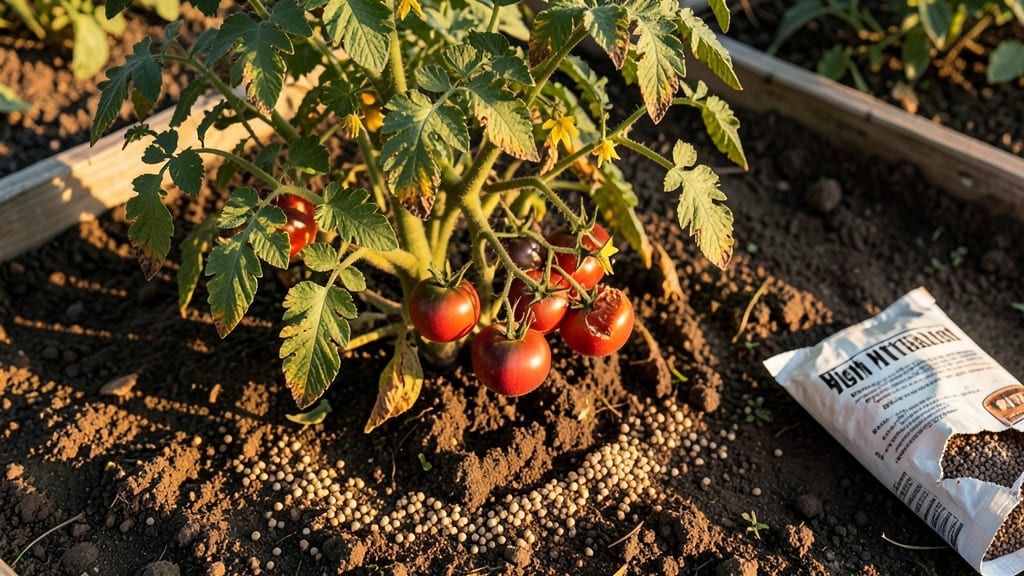
Overfeeding tomato plants turns your lush vines into crispy-edged disasters faster than you'd think. 🌱 I’ve seen it happen—bright yellow leaves, stunted growth, and plants that look like they’ve been sunburned, all from too much fertilizer.
The fix isn’t as scary as it seems, though, and your tomatoes can bounce back with the right care.
Most gardeners overdo it because they assume more fertilizer means bigger fruit, but tomatoes hate excess salts and nutrients. The symptoms—leaf burn, wilting, or even blossom-end rot—are your plant’s way of screaming, “Too much!”
Flushing the soil with water or switching to a diluted feed can reset the balance in just a few days. It’s all about giving your plants what they actually need, not what you think they need.
Once you correct the overfeeding, your tomatoes will reward you with stronger stems and healthier leaves within 2-3 weeks. The key is watching for early signs—like yellowing between leaf veins—and adjusting before the damage spreads.
With the right approach, your plants won’t just survive; they’ll thrive, producing fruit that’s sweeter and more abundant than ever.
This works for both container-grown tomatoes and in-ground plants, so don’t let a misstep ruin your harvest. Here’s how to spot the problem, fix it fast, and keep your tomatoes happy for the rest of the season.
Root Causes of Overfeeding
Overfeeding tomato plants may seem like a gardener’s dream—after all, more nutrients = bigger yields, right? 🌱💥 But when tomatoes get too much of a good thing, their growth spirals out of control, leading to stunted fruit, leaf burn, or even plant collapse.
Understanding the why behind overfeeding is the first step to fixing it. Below are the key culprits, broken down into actionable science.
Too much fertilizer—especially synthetic blends—disrupts the delicate balance of nutrients in the soil. Tomatoes thrive on a 3-4-6 NPK ratio (Nitrogen-Phosphorus-Potassium), but overzealous gardeners often dump high-nitrogen or high-potassium fertilizers, thinking more = better.
- Nitrogen overload 🌱💨: Excess nitrogen promotes lush, green foliage at the expense of fruit production.
The plant prioritizes leaf growth over flowering and fruiting, leaving you with a bushy tomato plant but few tomatoes. - Potassium imbalance ⚖️🔥: While potassium is crucial for fruit development, too much can interfere with calcium uptake, leading to blossom-end rot (a common tomato woe). - Salt buildup 🧂💀: Synthetic fertilizers contain salts that accumulate in the soil over time.
High salt levels burn plant roots, preventing water and nutrient absorption, which mimics drought stress.
Pro Tip: 💡 Always follow the label instructions—more isn’t better! For tomatoes, a balanced 10-10-10 or 5-10-10 fertilizer applied every 2-3 weeks (not weekly) is ideal.
Organic gardeners aren’t immune—overdoing compost, manure, or worm castings can also lead to nutrient overload. While these are natural, they still contain concentrated nutrients that can overwhelm tomato plants if applied too liberally.
- Compost burn 🔥🌱: Fresh, hot compost (especially manure) can raise soil pH and introduce harmful bacteria or fungi, stressing the plant. - Nutrient lockout 🔒💧: Excess organic matter ties up nitrogen in the soil, making it unavailable to the tomato plant.
This can cause yellowing leaves (a classic nitrogen deficiency symptom, ironically). - Imbalanced micronutrients 🧪🌀: Organic amendments vary widely in composition. Too much phosphorus from bone meal, for example, can suppress zinc and iron uptake, leading to stunted growth.
Fix It: 🌱 Use aged compost (at least 3-6 months old) and mix it into the soil before planting, not as a top-dressing. For manure, compost it first to reduce heat and ammonia spikes.
Water plays a critical role in nutrient dilution. If you fertilize but don’t water properly, the salts and minerals concentrate around the roots, causing osmotic stress.
- Inconsistent watering 💦➡️🔥: Tomatoes need 1-2 inches of water per week, but uneven watering (e.g., heavy feeding followed by drought) forces the plant to overabsorb fertilizers, leading to root burn.
- Overhead watering 💦🌧️: If you water leaves instead of the soil, fertilizers wash off before the roots can absorb them, wasting nutrients and encouraging fungal diseases.
- Fertilizer burn from dry soil 🔥🏜️: When soil is dry, fertilizers stick to the root zone like salt on a wound, causing root desiccation and nutrient uptake failure.
Solution: 💧 Always water deeply and evenly (1-2 inches per week) before fertilizing. Use drip irrigation or soaker hoses to deliver nutrients directly to the roots.
Tomatoes prefer a slightly acidic to neutral pH (6.0-6.8). If your soil is too alkaline (high pH), nutrients like iron, manganese, and phosphorus become locked out, even if they’re present in excess.
- High pH = Nutrient Unavailability ⚖️🚫: In alkaline soils, phosphorus and micronutrients bind to soil particles, making them unusable.
The plant may show deficiency symptoms despite being "overfed." - Calcium and Magnesium Competition 🧪💥: Excess calcium (from lime or gypsum) can displace other essential nutrients, leading to blossom-end rot or magnesium deficiency (yellowing between leaf veins).
Test & Adjust: 📊 Use a soil pH test kit and amend with elemental sulfur (to lower pH) or pelletized lime (to raise pH) as needed. Aim for 6.0-6.8 for optimal tomato growth.
Quick-release fertilizers (like water-soluble mixes) provide an immediate nutrient spike, which tomatoes can’t handle in large doses. Unlike slow-release options, they flood the root zone without gradual absorption.
- Root Burn from Concentration 🔥🌿: Fast-acting fertilizers increase soil salinity rapidly, causing root cells to dehydrate and die.
- Flushing Required 💦🚿: After applying fast-release fertilizers, you must flush the soil with water to prevent buildup. Skipping this step leads to nutrient toxicity.
Better Alternative: 🌱 Switch to slow-release fertilizers (like Osmocote) or organic options (fish emulsion, seaweed extract) that dissolve gradually. Always water thoroughly after applying.
Some "companion plants" (like corn or potatoes) are heavy feeders and compete aggressively with tomatoes for nutrients. If you’re growing them too close, your tomatoes may starve—or you might overcompensate by overfertilizing.
- Nutrient Competition 🏃♂️💨: Corn, for example, depletes nitrogen from the soil.
If you’re fertilizing tomatoes to compensate, you might overshoot, leading to excess buildup. - Pest Attraction 🐛🌿: Some companion plants (like basil) help repel pests, but others (like fennel) can attract harmful insects, forcing you to overuse chemical fertilizers as a band-aid.
Fix It: 🌿 Plant tomato-friendly companions (basil, marigolds, onions) and avoid heavy feeders in close proximity. Rotate crops yearly to prevent nutrient depletion.
Tomatoes communicate their nutrient needs through leaf color and growth patterns. Misinterpreting these signs leads to overcorrecting with fertilizer.
- Purple Stems = Phosphorus Deficiency 🌿💜: Some gardeners see purple stems and dump phosphorus-heavy fertilizers, only to cause an imbalance. - Yellow Leaves = Nitrogen or Iron Issue 🍃💛: Yellowing can mean too little nitrogen or too much iron (from over-amending).
Without testing, you might guess wrong and overfeed.
Solution: 🔍 Diagnose before fertilizing:
- Lower leaves yellowing? → Likely nitrogen deficiency (add a balanced fertilizer).
- Upper leaves yellowing? → Could be iron deficiency (check pH; may need chelated iron).
- Leaf edges burning? → Salt or potassium toxicity (flush soil with water).
Fixing Overfed Tomato Plants Fast
Overfeeding tomato plants can feel like a gardening disaster—but don’t panic! With the right steps, you can nurse your plants back to health and even prevent future mishaps.
Below, we’ll break down practical fixes based on the root cause of overfeeding, from nutrient overload to soil issues, plus prevention tips to keep your tomatoes thriving.
Signs: Yellowing leaves, stunted growth, or white crust on soil.
How to Fix It:
- 💦 Flush the Soil
- Water your tomato plants deeply and frequently for 3–5 days to leach excess salts and nutrients from the root zone. Use rainwater or distilled water if possible—tap water can add more minerals.
- Pro Tip: 🌡️ Test your soil after flushing with a cheap soil pH test kit to ensure it’s back in the ideal range (6.0–6.8 for tomatoes).
- 🌱 Amend the Soil - Mix in organic matter like compost, coconut coir, or peat moss to dilute concentrated nutrients. Aim for a 1:1 ratio of soil to amendment in the top 6 inches. - Avoid fresh manure—it can burn roots further.
Instead, use well-aged compost or worm castings.
- 🚫 Skip Fertilizer for Now
- Hold off on synthetic fertilizers for 2–4 weeks to let the soil recover. If your plants are severely stressed, switch to a diluted seaweed extract (1 tsp per gallon of water) for a gentle nutrient boost.
Signs: Lush green leaves but no flowers or fruit, or small, weak tomatoes.
How to Fix It:
- 📊 Adjust Your Fertilizer Ratio
- Switch to a balanced fertilizer (like 5-5-5 or 10-10-10) or one higher in phosphorus and potassium (e.g., 7-9-5). Tomatoes need more P (phosphorus) and K (potassium) as they fruit.
- Pro Tip: 🎯 Stop using high-nitrogen fertilizers (like lawn fertilizers) entirely—they promote leaves over fruit.
- 🍅 Boost Flower & Fruit Development
- Prune suckers (side shoots) to redirect energy to existing fruit.
- Hand-pollinate flowers by gently shaking plants or using a small brush to transfer pollen.
- Add Epsom salt (1 tbsp per gallon of water) every 2 weeks to increase magnesium, which aids flower and fruit production.
- 🌿 Use Companion Plants
- Plant basil, marigolds, or borage near tomatoes—they improve air circulation and can compete with tomatoes for excess nitrogen, reducing stress.
Signs: Wilting, mushy stems, or root rot (black, smelly roots).
How to Fix It:
- ⏰ Reset Your Watering Schedule
- Let the top 1–2 inches of soil dry out between waterings. Use a moisture meter or the finger test to check.
- Water deeply but less frequently—aim for 1–1.5 inches per week, including rain.
- 🔪 Prune Damaged Roots (If Severe)
- If roots are rotting, gently loosen the soil around the base and trim away any black, mushy roots with sterilized scissors.
- Dust healthy roots with cinnamon powder (natural antifungal) before replanting.
- 🍄 Improve Drainage
- Add perlite, vermiculite, or coarse sand to the soil to prevent compaction.
- Consider raising beds or using containers with drainage holes for next season.
Signs: Leaf scorch (brown edges), curled leaves, or premature fruit drop.
How to Fix It:
- 🌿 Provide Shade
- Use shade cloth (30–50%) during peak sun hours (10 AM–4 PM) to reduce stress.
- Mulch with straw or grass clippings to keep roots cool.
- 💧 Hydrate Strategically
- Water early in the morning to reduce evaporation and avoid wetting leaves (which can cause sunscald).
- Use drip irrigation to deliver water directly to roots.
- 🍅 Support Weak Plants
- Install stakes or cages to prevent fruit from touching hot soil.
- Harvest overripe tomatoes promptly to reduce stress on the plant.
- 📊 Test Soil Before Planting: Use a soil test kit to check nutrient levels and adjust accordingly.
- 🍽️ Feed in Stages: Follow a tomato-specific feeding schedule—light applications every 2–3 weeks, not all at once.
- 🌱 Rotate Crops: Avoid planting tomatoes in the same spot yearly to prevent nutrient buildup.
- 🛒 Choose the Right Fertilizer: Opt for slow-release organic fertilizers (like bone meal or fish emulsion) over synthetic granules.
- 🌱 Interplant Smartly: Use companion plants (like garlic or nasturtiums) to naturally balance soil nutrients.
Remember: Overfeeding is reversible, but patience is key. Monitor your plants closely, adjust care as needed, and soon you’ll be back to harvesting juicy, vine-ripened tomatoes! 🍅✨
Frequently asked questions
Why do my tomato leaves turn brown and crispy after fertilizing?
This is a classic sign of fertilizer burn from excess salts or nutrients. When you overfeed, the concentrated minerals disrupt the plant's ability to absorb water, causing leaf edges to brown and crisp. Flush the soil with water for 3-5 days to leach out the excess, then switch to a diluted organic feed like seaweed extract.
How often should I fertilize tomatoes to avoid overfeeding?
For healthy tomato plants, apply fertilizer every 2-3 weeks using a balanced formula (like 10-10-10) at half-strength. Organic options should be used sparingly—too much compost or manure can cause nutrient overload. Always water thoroughly after feeding to help distribute nutrients evenly.
Can I save my tomato plants if I've already overfed them?
Yes! The key is acting fast. Start by watering deeply for several days to flush out excess salts, then amend the soil with compost to dilute remaining nutrients. Avoid fertilizing for at least 2-4 weeks to let the plant recover. Most plants show improvement within 1-2 weeks of proper care.
What's the difference between overfeeding and underfeeding tomato plants?
Overfeeding shows as crispy leaf edges, stunted growth, and white crust on soil, while underfeeding causes yellowing leaves (starting at the bottom) and weak stems. The solution for overfeeding is flushing soil, while underfeeding requires light, balanced fertilizer applications every 2 weeks.
Is it better to use organic or synthetic fertilizer for tomatoes?
Both can work, but organic fertilizers (like compost or fish emulsion) release nutrients more gradually, reducing overfeeding risks. Synthetic fertilizers provide immediate results but require precise measurements. For beginners, organic options are safer—just be careful with fresh manure, which can burn roots.