Watering
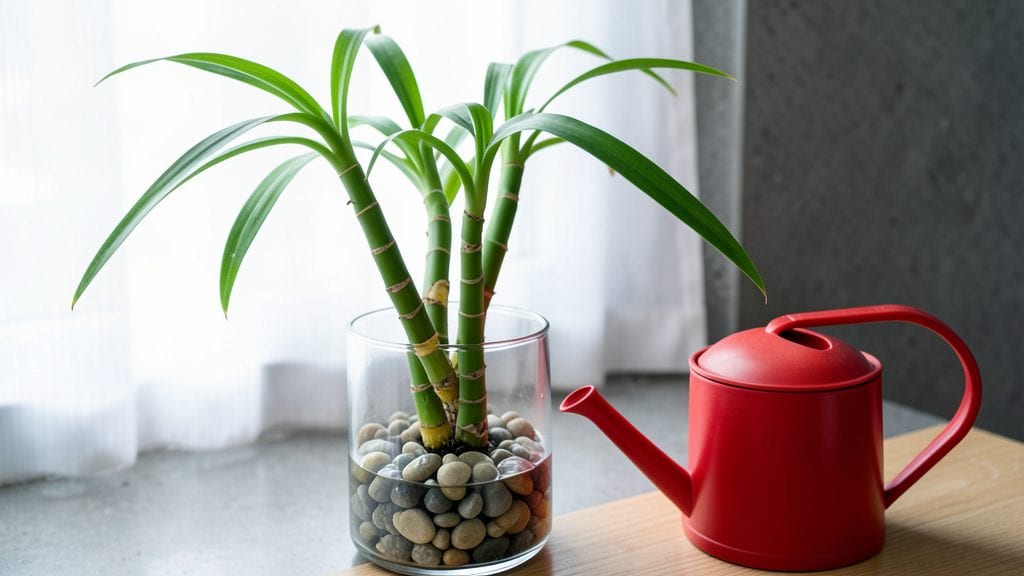
That drooping, overwatered bamboo plant with its yellowing leaves and mushy stems isn’t a death sentence—just a soggy soil warning. 🌱 I’ve nursed back more of them than I’d like to admit, and the fix comes down to three drainage adjustments that work for both pots and ground-planted varieties.
The key is stopping the rot before it spreads, then giving the roots room to breathe.
First, check the soil: if it smells like a swamp or feels slick when you squeeze it, you’ve got the classic overwatering trio—yellowing fronds, brown tips, and a stem that wobbles like jelly. The good news?
Bamboo recovers faster than you’d think once you adjust the watering schedule and improve drainage. Start by letting the top 2-3 inches dry out between waterings, and if it’s in a pot, add perlite or orchid bark to break up compacted soil.
Within two weeks, you’ll see new growth pushing through, with leaves turning a vibrant green again. The plants I’ve revived this way stay lush and sturdy, proving that even the most neglected bamboo can bounce back with the right care.
The secret isn’t complicated—just consistent moisture checks and a soil mix that drains like it should.
For long-term success, amend the soil with compost to improve aeration, and consider repotting if the current container lacks drainage holes. Ground-planted bamboo benefits from a raised mound of soil around the base to prevent water pooling. Now, let’s get those roots breathing again—your bamboo’s comeback starts today.
Root Issues Behind Overwatering
When your bamboo plant starts looking sad and droopy, it’s often a sign that its roots are drowning—not thriving. Overwatering disrupts the delicate balance of oxygen, nutrients, and moisture that bamboo roots need to survive.
Let’s break down the key culprits behind this common problem, so you can diagnose and fix it before it’s too late.
Bamboo plants thrive in well-draining soil, but many gardeners unknowingly trap excess water in heavy or compacted soil. Here’s why this happens:
- Clay or loamy soil holds water like a sponge, suffocating roots and blocking oxygen flow. Without air pockets, roots can’t respire (breathe), leading to anaerobic conditions—a toxic environment for plant health.
- Lack of organic matter (like compost or perlite) reduces soil porosity. Organic materials create tiny air channels, but if your soil is mostly inorganic, water pools instead of draining.
- Over-potting without drainage holes turns the container into a water trap. Even if you’re watering lightly, roots sit in soggy conditions, inviting root rot (a fungal infection that gnaws at roots).
Pro Tip: 💡 Test your soil’s drainage by scooping a handful into a jar, filling it with water, and timing how long it takes to drain. If it takes more than 10 minutes, your soil is too dense.
Bamboo plants are not drought-tolerant, but they hate being kept in wet soil for days. Common watering mistakes include:
- Ignoring the "finger test": Stick your finger 1–2 inches into the soil. If it’s damp, wait. If it’s bone-dry, you’ve likely underwatered—but if it’s soggy, you’ve overwatered.
- Watering on a rigid schedule (e.g., every Monday) instead of checking moisture levels. Factors like humidity, temperature, and pot size change how fast soil dries.
- Using ice cubes or misting as a "light watering" method. While bamboo loves humidity, its roots need deep hydration, not surface moisture that evaporates quickly.
Actionable Fix: 🌡️ Switch to a self-watering pot with a moisture meter or group bamboo plants together to create a microclimate with stable humidity.
If your bamboo is potted, the container itself might be the villain. Here’s how poor pot design leads to overwatering:
| Problem | Why It Happens | Fix It |
|---|---|---|
| No drainage holes | Water sits at the bottom, creating a permanent wet zone where roots suffocate. | Drill 3–5 holes in the bottom and add a crock pot (a layer of broken pottery) to prevent soil from clogging them. |
| Too small a pot | Roots outgrow the space, circling tightly and compacting soil, which holds water like a brick. | Repot into a container 2–3 inches wider with fresh, airy soil. |
| Glazed or plastic pots | These materials don’t breathe, trapping moisture and heat, which accelerates root rot. | Opt for terracotta or fabric pots, which allow evaporation and airflow. |
Pro Tip: ✨ If repotting isn’t an option, top-dress with orchid bark or coconut coir to improve aeration without disturbing roots.
Sometimes, overwatering isn’t your fault—it’s Mother Nature playing tricks. Watch for these sneaky culprits:
- High humidity: If your home or garden is naturally humid (like in tropical climates), soil stays wet longer. Bamboo may not need watering as often.
- Cold or rainy seasons: Cool temperatures slow evaporation, so soil stays damp for weeks. Adjust your watering to every 10–14 days in winter.
- Shade without airflow: Bamboo in low-light corners grows slowly, but stagnant air prevents moisture from evaporating, keeping roots soggy.
Solution: 🔥 Move potted bamboo to a bright, indirect spot with gentle airflow (like near an open window or fan) to speed up drying.
Revive Your Plant With These Fixes
Overwatering can turn your once-vibrant bamboo plant into a sad, soggy mess—but don’t worry! With the right steps, you can nurse it back to health and prevent future waterlogging.
Below, we’ve mapped out practical solutions based on the most common causes of overwatering, along with prevention tips to keep your bamboo thriving.
Cause: Too much moisture suffocates roots, starving them of oxygen.
Fix It:
- 🔥 Stop Watering Immediately
- Let the soil dry out completely before watering again. Stick your finger 2-3 inches deep—if it’s damp, wait.
- 🍳 Repot in Well-Draining Soil
- Remove the plant and rinse the roots gently to remove excess moisture.
- Use a fast-draining mix (50% potting soil, 30% perlite, 20% sand or orchid bark).
- Choose a pot with drainage holes (or drill them if needed).
- 👨🍳 Prune Damaged Foliage
- Snip off yellow or mushy leaves with sterilized scissors to redirect energy to healthy growth.
Prevention Tip: 💡 Water only when the top 1-2 inches of soil are dry—bamboo hates soggy roots!
Cause: Prolonged saturation leads to root rot, which spreads fast.
Fix It:
- 🔪 Trim the Rotten Roots
- Rinse the root ball and cut away black, mushy roots with clean shears.
- Keep only firm, white roots—these will regrow.
- 🌡️ Apply a Fungicide (Optional but Helpful)
- Dip trimmed roots in hydrogen peroxide (3%) for 10 minutes to kill fungus.
- Or spray with a copper-based fungicide if rot is severe.
- ⏰ Let It Dry Before Repotting
- Air-dry the roots for 1-2 hours before planting in fresh, sterile soil.
Prevention Tip: ✨ Never let bamboo sit in saucers of water—empty excess from the tray after watering.
Cause: Water pools at the bottom, drowning roots over time.
Fix It:
- 🔧 Drill Drainage Holes
- Use a 1/4-inch drill bit to add holes in the bottom of the pot.
- If the pot is decorative, place it inside a saucer with gravel to catch runoff.
- 🌿 Elevate the Pot
- Place it on feet or a raised stand to improve airflow underneath.
- 🍽️ Use a Cache Pot (For Decorative Pots)
- Nestle your bamboo in a functional inner pot with holes, then place it inside a stylish outer pot.
Prevention Tip: 🎯 Check drainage before repotting—if your pot is solid, upgrade to one with holes!
Cause: Confusion about how often bamboo needs water (it’s drought-tolerant!).
Fix It:
- 📊 Adjust Your Watering Schedule
- Indoor bamboo: Water every 1-2 weeks (less in winter).
- Outdoor bamboo: Water deeply 1-2 times per week (depending on climate).
- 🥗 Test Soil Moisture Like a Pro
- Use a moisture meter or the finger test (stick your finger in—if dry past 1 inch, water).
- 🌧️ Water Deeply, Not Often
- Soak the soil until water drains from the bottom, then wait for it to dry before repeating.
Prevention Tip: 🔥 Group bamboo with succulents—they remind you to water less frequently!
If your bamboo is completely limp with black stems, act fast: 1. 🌪️ Soak in Room-Temperature Water (20 mins) - Submerge the root ball to rehydrate (if roots aren’t rotted).
- 🌿 Repot in Fresh, Dry Soil - Use cactus mix (for quick drainage) and hold off on watering for 5-7 days.
- 🌿 Move to Bright, Indirect Light - Place it near a window (but avoid direct sun) to help recovery.
Prevention Tip: ⚠️ When in doubt, underwater! Bamboo recovers faster from dryness than sogginess.
Final Thought: With these fixes, your bamboo should bounce back in 2-4 weeks. Stay consistent with drainage and watering, and your plant will reward you with lush, green growth! 🌿✨
Frequently asked questions
How do I know if my bamboo plant is overwatered?
Check for these telltale signs: yellowing leaves, mushy stems that wobble when touched, and soil that smells sour or stays soggy for days. If the roots appear black and squishy when you gently pull the plant, that’s a clear sign of root rot from overwatering.
Can I save an overwatered bamboo plant with black stems?
Yes, but act fast! Trim away all blackened stems and roots, then repot in fresh, fast-draining soil. Let it dry out completely for 5-7 days before watering lightly. Place it in bright, indirect light to help recovery. Most plants bounce back within 2-4 weeks if the roots aren’t completely rotted.
What’s the best soil mix for preventing overwatering?
Use a blend of 50% potting soil, 30% perlite, and 20% sand or orchid bark to improve drainage. For outdoor bamboo, amend heavy clay soil with compost and coarse sand. This mix mimics bamboo’s natural habitat while preventing waterlogging.
Why does my bamboo plant need drainage holes if I water it lightly?
Even light watering can cause problems if excess moisture sits at the bottom of the pot. Drainage holes prevent water from pooling, which suffocates roots. Without them, "light watering" just means the plant stays damp longer—ideal conditions for root rot.
How often should I water bamboo in winter?
Reduce watering to every 10-14 days in winter, as cooler temperatures slow evaporation. Always check soil moisture first—stick your finger 2 inches deep. If it’s damp, wait. Bamboo’s growth slows in winter, so it needs less water to thrive.