Watering
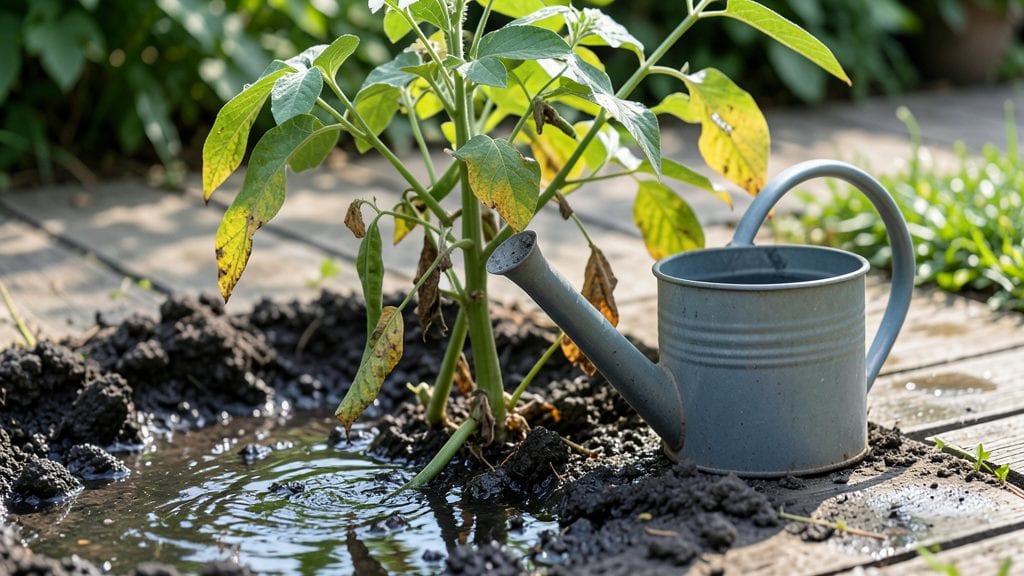
Overwatered bean plants leave you staring at limp stems and yellowing leaves, wondering if they’ll ever bounce back. 🌱 I’ve nursed more than my share of soggy beans back to health—and the good news is, with the right moves, you can see real improvement within a single day.
The key isn’t just cutting back on water but fixing the root of the problem: soil that’s too wet, roots starved for air, and a plant struggling to recover.
First, stop watering entirely for 24 hours—yes, even if the soil feels dry at the surface. Bean roots need time to dry out, and forcing more water just drowns them faster. While you wait, gently loosen the top inch of soil around the base to help air circulate.
If the soil smells sour or looks muddy, that’s your sign to act fast—this isn’t just wilting, it’s root suffocation.
By the next morning, you’ll notice leaves perking up if the roots aren’t permanently damaged. After that, water only when the top 1-2 inches of soil feel dry to the touch, and use a pot with drainage holes if you’re growing in containers.
For in-ground beans, consider amending the soil with compost to improve drainage long-term. The goal isn’t just survival—it’s getting those plants back to their vigorous, bushy selves.
Prevention is easier than rescue: stick to 1 inch of water per week (including rain) and avoid watering late in the day. Beans hate soggy feet, and once you’ve fixed the problem, keep an eye out for signs of stress—yellowing leaves or stunted growth mean it’s time to adjust again.
With the right care, your beans will be thriving in no time.
The Real Culprits Behind Soggy Beans
When your bean plants start looking more like a swamp than a thriving garden, it’s usually a sign they’re getting too much love—specifically, too much water. 🌧️😬 Overwatering isn’t just about pouring extra H2O; it’s a sneaky combo of environmental factors, human habits, and even soil behavior.
Let’s break down the key reasons your bean plants are drowning instead of growing.
Beans need well-draining soil to thrive, but if water can’t escape, roots suffocate. Here’s why drainage fails:
- Compacted soil: Heavy clay or tightly packed dirt blocks water flow, leaving roots waterlogged. Test it: Dig a hole—if water pools after 30 minutes, drainage is the issue.
- Lack of organic matter: Soil without compost or perlite holds moisture like a sponge. Roots can’t breathe, leading to anaerobic conditions (no oxygen), which triggers rot.
- Container constraints: Pots without drainage holes trap excess water. Even "self-watering" containers can over-saturate if not monitored.
Pro tip: Amend soil with coarse sand, coconut coir, or vermiculite to improve aeration. For containers, always use pots with drainage holes!
Beans are drought-tolerant once established, but many gardeners water on a strict schedule—even when the soil is already moist. Here’s how it backfires:
- Ignoring soil moisture: Sticking to "every Tuesday" watering ignores real needs. Check first: Stick your finger 1–2 inches into the soil. If it’s damp, wait.
- Heavy morning watering: Beans hate "wet feet" for long periods. Watering in the morning lets soil dry slightly by evening, preventing stagnation.
- Overhead watering: Sprinklers or hose blasts can double water intake by wetting leaves, which leads to fungal diseases (like Rhizoctonia) that stress plants.
Pro tip: Use a moisture meter or the "squeeze test"—grab a handful of soil. If it forms a ball, it’s too wet.
If your garden is in a high-humidity zone or gets frequent rain, the air itself can suffocate plants. Here’s how:
- Slow evaporation: Humid air reduces water loss from soil, keeping roots soggy longer. Beans in tropical climates (e.g., Florida, Southeast Asia) are especially vulnerable.
- Fungal growth: Damp leaves + warm temps = powdery mildew or root rot. These diseases clog stomata (plant pores), forcing water to pool.
- Poor airflow: Crowded plants or thick foliage trap moisture. Solution: Prune leaves to improve circulation.
Pro tip: In humid areas, water deeply but less often (e.g., every 3–4 days) and avoid evening watering to let foliage dry.
Beans aren’t just drowning—they might be choking on their own environment. Here’s the science:
- Too much nitrogen: Fertilizers high in N (like lawn food) promote leafy growth but weaken roots, making them more susceptible to rot. Beans need balanced 5-10-10 or 10-20-20 fertilizer.
- Low pH (acidic soil): Beans prefer 6.0–7.0 pH. Below 5.5, aluminum and manganese toxins build up, blocking water uptake and causing wilting.
- Salinity buildup: Over-fertilized or irrigated soil with tap water (high in minerals) creates a salty crust that repels water, leaving roots dehydrated despite soggy soil.
Pro tip: Test soil pH with a home kit and amend with lime (to raise pH) or sulfur (to lower it). Flush soil with rainwater to reduce salinity.
Most overwatering issues stem from misunderstanding bean plant needs—they’d rather be underwatered than drowned. The fix? Drainage + timing + soil health. Next up: how to rescue your soggy beans in just 24 hours!
Quick Fixes for Soggy Bean Plants
Reviving overwatered bean plants starts with draining excess moisture and restoring balance—but don’t panic! With the right steps, you can nurse them back to health in 24 hours or less.
Below, we’ll break down cause-specific fixes, from compacted soil to root rot, plus prevention tips to keep your beans thriving long-term.
Cause: Overwatering + poor drainage = waterlogged roots suffocating from lack of oxygen.
How to Fix It:
- 🔥 Stop Watering Immediately – Let the soil dry out naturally for 12–24 hours before checking again.
- 🍳 Dig Gently to Loosen Soil – Use a trowel to break up compacted areas around the roots (especially in pots). This helps air circulate.
- ⏰ Elevate the Pot (If Potted) – Place the container on a drip tray or elevated surface to prevent future pooling.
- 🌡️ Test Moisture Before Watering Again – Stick your finger 1–2 inches deep; if damp, wait another day.
💡 Pro Tip: Mix in perlite or coarse sand (10–20%) to improve drainage permanently.
Cause: Chronic overwatering leads to fungal/bacterial rot, turning leaves yellow and stems mushy.
How to Fix It:
- 👨🍳 Remove the Plant Gently – Tip the pot and slide the plant out, shaking off old soil.
- 🔪 Trim Damaged Roots – Snip black, brown, or mushy roots with sterilized scissors. Healthy roots are firm and white.
- 🌿 Repot in Fresh, Dry Soil – Use a well-draining mix (50% potting soil + 50% perlite/vermiculite).
- ✨ Let It Dry Out – Do not water for 3–5 days to prevent reinfection. Place in bright, indirect light.
- 🎯 Fungal Treatment (If Needed) – Spray roots with hydrogen peroxide (3%) or copper fungicide before repotting.
💡 Pro Tip: If repotting isn’t an option, reduce watering to every 7–10 days and improve airflow with a small fan.
Cause: Water droplets on leaves spread disease and weigh them down, causing wilting.
How to Fix It:
- 💦 Water at the Base Only – Use a watering can with a narrow spout or drip irrigation to avoid leaf contact.
- 🌡️ Increase Airflow – Place a small fan nearby (on low) to dry leaves faster.
- 🍃 Prune Affected Leaves – Snip yellow or spotted leaves with clean shears to redirect energy.
- 🌿 Adjust Watering Schedule – Water only when the top 1–2 inches of soil are dry (stick your finger in to check).
💡 Pro Tip: Morning watering is best—leaves dry faster in daylight, reducing fungal risk.
Cause: Ignoring soil moisture, using the wrong pot, or mistaking thirst for overwatering.
How to Avoid It:
- ⏳ Use the Finger Test – Stick your finger 1–2 inches deep; water only if dry.
- 🏺 Choose the Right Pot –
- Pots: Drill drainage holes if missing.
- Size: 1–2 inches larger than the root ball (too big = soil stays wet too long).
- 🌱 Mulch Smartly – Add straw or wood chips (1 inch thick) to retain moisture without suffocating roots.
- 📅 Track Your Watering – Use a plant journal to note when/where you water.
💡 Pro Tip: Group plants with similar needs—beans prefer moderate moisture, not soggy soil!
Final Note: Most overwatered beans recover in 3–7 days if you act fast. Monitor closely, adjust watering, and soon you’ll have vibrant, bushy plants ready for harvest! 🌱💚
Frequently asked questions
How do I know if my bean plants are overwatered instead of underwatered?
Check the soil and leaves: overwatered beans have yellowing lower leaves, mushy stems, and soil that smells sour or stays soggy for days. Underwatered plants show crispy edges, drooping in the heat, and dry soil pulling away from pot edges. The key difference? Overwatered roots suffocate (no air), while underwatered roots shrivel from thirst.
Can I save my beans if the stems feel soft or mushy?
It depends on how severe the damage is. If only the stems are soft but roots are still firm, trim the affected parts and repot in fresh, dry soil. If roots are black/mushy, you’ll need to prune them back to healthy white sections and treat with fungicide. Recovery takes 5-7 days with proper care, but severe rot may require starting over.
Why do my bean plants wilt after watering, even when the soil seems dry?
This usually means your soil has poor drainage or compacted roots. Beans hate "wet feet" - water pools around roots instead of draining. Try the "squeeze test": grab a handful of soil. If it forms a tight ball, it’s too dense. Loosen soil with a fork, add perlite, or upgrade to a pot with drainage holes.
How often should I water bean plants after fixing overwatering issues?
Once recovered, water beans only when the top 1-2 inches of soil feel dry. In containers, this is typically every 2-3 days in hot weather, while in-ground beans may need watering every 5-7 days. Always water at the base (not leaves) and in the morning to prevent fungal growth.
Will overwatered beans still produce pods if I fix the problem?
Yes! Beans are resilient - once you restore proper drainage and stop drowning the roots, they’ll often recover enough to produce new growth. However, severely damaged plants may take 2-3 weeks to rebound, and you might lose some existing pods. Focus on saving the plant itself first - new pods will form once roots recover.